U.S. stock markets closed sharply higher on Friday as easing Middle East tensions and the temporary reopening of the Strait of Hormuz sent investor confidence soaring. The S&P 500 gained 1.2% to finish at 7,125.36, the Nasdaq Composite climbed 1.5% to 24,468.48, and the Dow Jones Industrial Average surged 1.8% to 49,447.92 — with both the S&P 500 and Nasdaq reaching fresh record highs. The S&P also extended its winning run to three consecutive weeks, rallying nearly 12% over that stretch.
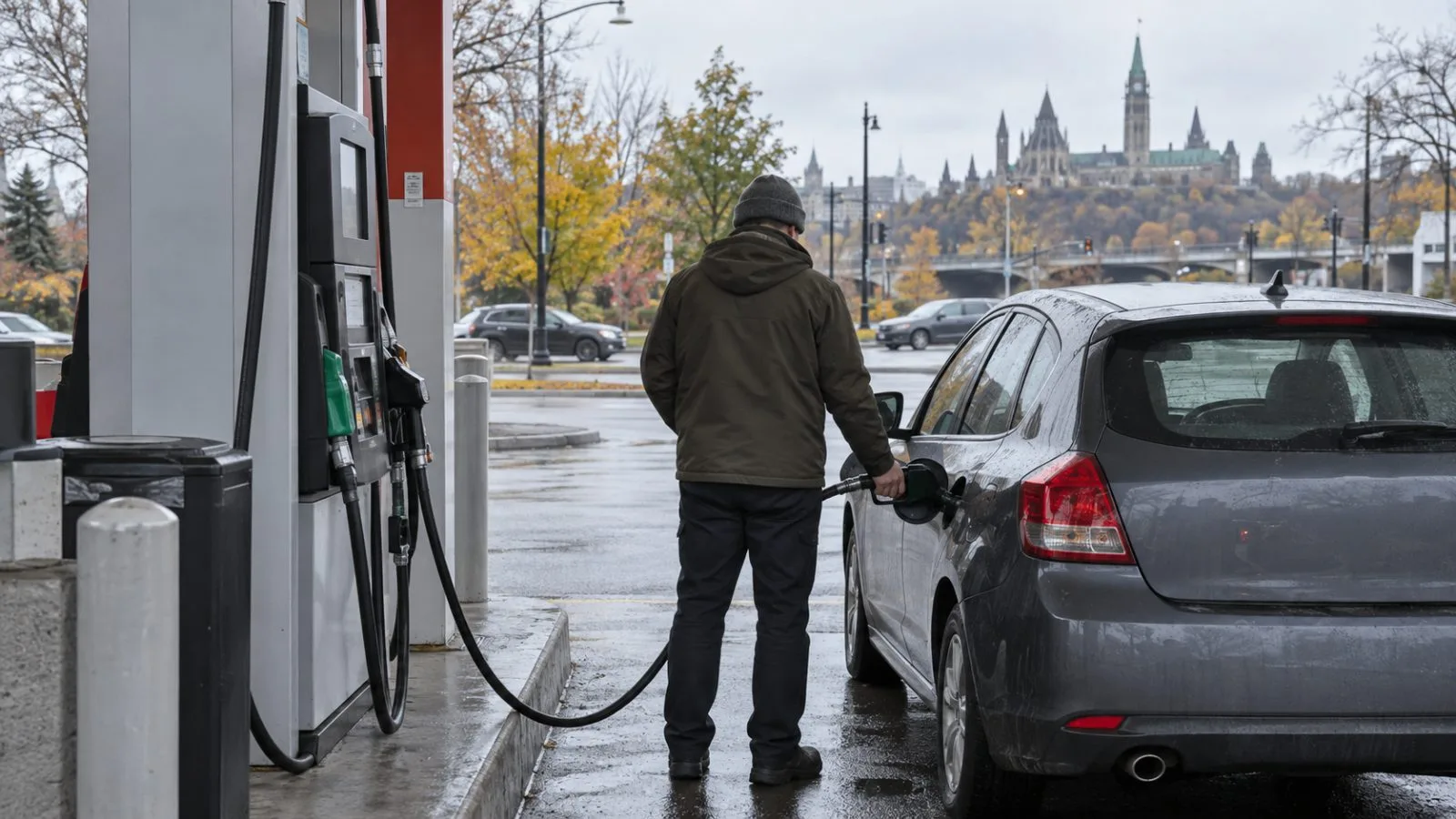
Oil markets moved in the opposite direction. Brent crude futures fell 8.7% to $90.71 per barrel, while West Texas Intermediate dropped 10.6% to $84.69, as the reopening of the critical waterway — through which roughly one-fifth of global oil and gas flows — eased fears of prolonged supply disruptions.
Iran's foreign minister announced the Strait of Hormuz would remain open for all commercial vessels during the ceasefire period, a development that followed President Trump's announcement of a 10-day Lebanon-Israel ceasefire. The news significantly boosted risk appetite across equities, bonds, and cryptocurrency markets, while reducing fears of an energy-driven inflation spike. Traders responded quickly, pushing the odds of a Federal Reserve rate cut by December to approximately 60%.
Reports also emerged of active diplomatic discussions between Washington and Tehran, though significant gaps remain in negotiations. Despite ongoing uncertainty, market analysts broadly noted that the overall direction appears to favor de-escalation, which continues to underpin equity markets alongside renewed enthusiasm for artificial intelligence and a strong early earnings season.
On the corporate front, Netflix shares fell nearly 10% after disappointing revenue guidance, while Alcoa dropped 6.8% on weak quarterly results. Travel stocks led S&P 500 gains, whereas energy sector shares declined alongside falling crude prices.