


 Mahmoud Khalil Sues Columbia Over Alleged Pro-Palestinian Harassment
  Trump’s Arlington Arch Project Faces New Court Restrictions
  Google Changes EU Spam Policy Amid Antitrust Scrutiny
  OpenAI Rejects Apple Trade Secret Theft Claims
  US Immigration Arrests Surge as Deportations Lag Behind
  Takaichi-Backed Koja Wins Okinawa Governor Race
  Judge Blocks Trump Rule Limiting Foreign Student Visas
  US Sailor’s Father Detained by Immigration Authorities
  Yindjibarndi Appeals Fortescue Mining Compensation Ruling
  New Zealand Labour Backs Social Media Ban for Under-16s
  Trump Touts $5,000 Checks if Republicans Win Congress
  US Judge Dismisses Imran Ahmed Deportation Lawsuit
  Prince Harry Faces Potential Multi-Million-Pound Legal Bill in Daily Mail Case
  Ecuador Court Convicts Ex-President Lenin Moreno in Bribery Case
  US Confirms Weapons in Orbit as Space Tensions Rise
  SEC Seeks ISS Client Voting Records in Proxy Adviser Probe
  Trump Open to Chinese Automakers Building Cars in US


 Add as a preferred source on Google
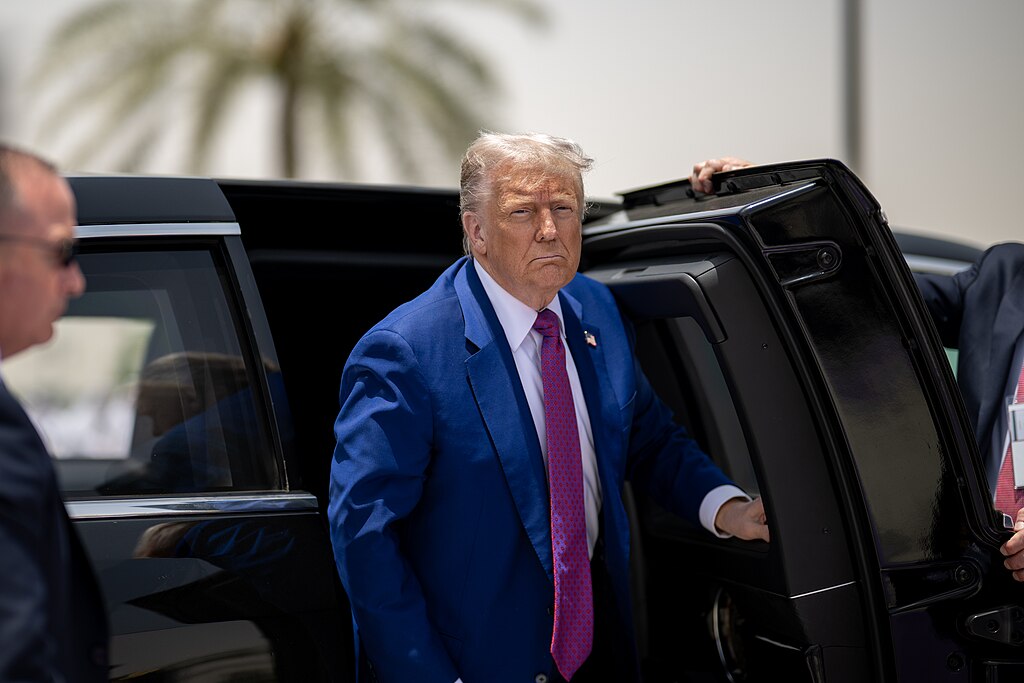
The U.S. Supreme Court is preparing to take up a major separation-of-powers case examining whether former President Donald Trump acted lawfully when he attempted to fire Federal Trade Commission (FTC) Commissioner Rebecca Slaughter before the end of her term. The outcome could redefine presidential authority and potentially dismantle a 90-year-old legal precedent that has long protected leaders of independent federal agencies from removal without cause.
The Justice Department is appealing lower court rulings that blocked Trump’s removal of Slaughter, a Democratic commissioner whose term runs until 2029. Those courts relied on Humphrey’s Executor v. United States, a 1935 Supreme Court decision holding that presidents cannot dismiss FTC commissioners for political reasons. Congress reinforced this limitation through a 1914 statute allowing removal only for cause, such as inefficiency or misconduct. Similar protections apply across more than two dozen independent agencies, including the National Labor Relations Board and the Merit Systems Protection Board.
Trump’s legal team argues that the FTC now wields significant executive power, and under the “unitary executive” theory, the president must have unrestricted authority to fire agency leaders. Slaughter’s lawyers acknowledge the agency’s expanded reach but maintain that longstanding precedent supports these tenure protections regardless of the FTC’s regulatory role.
The Supreme Court, which allowed Trump’s firing of Slaughter to take effect while the case proceeds, will now decide whether to limit or overturn Humphrey’s Executor. A ruling against Slaughter could give presidents broad power to remake independent agencies, reshaping federal oversight of antitrust, consumer protection, labor disputes, and more. The decision may also address whether courts have the authority to block unlawful removals of executive officials.
The Court is expected to issue a ruling by late June. In a related challenge to presidential power, justices will also hear arguments in January on Trump’s unprecedented effort to remove Federal Reserve Governor Lisa Cook, raising further questions about the independence of federal institutions.







