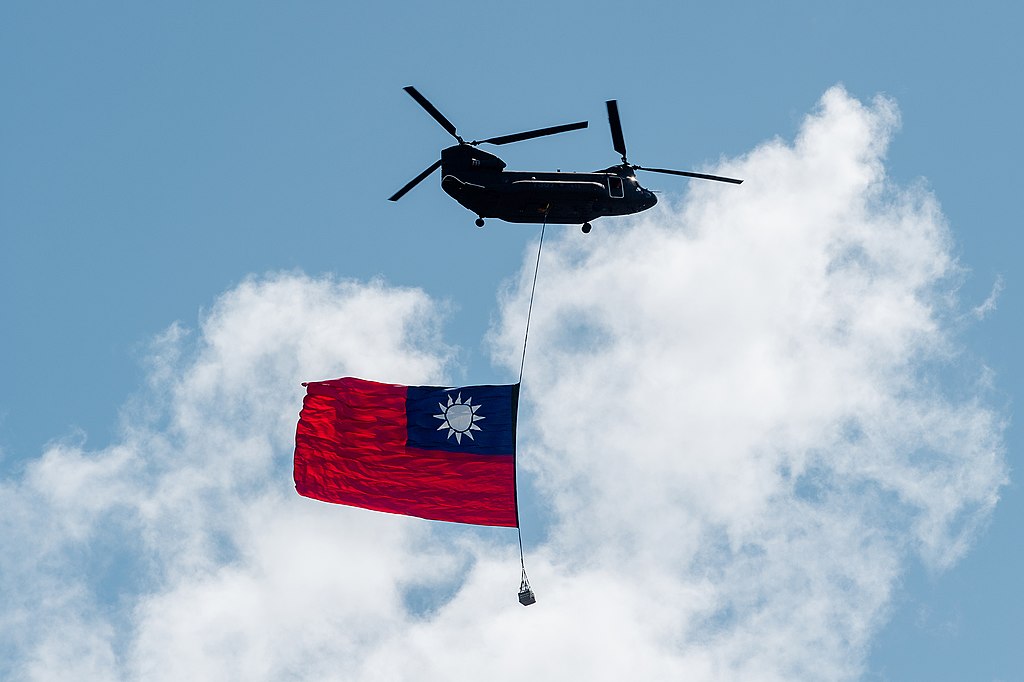
Taiwan has launched its annual Han Kuang military exercises, introducing more realistic wartime scenarios aimed at improving combat readiness and strengthening coordination against potential threats from China. The 10-day exercise, which began on Wednesday, tests how military commanders respond to rapidly changing battlefield conditions rather than relying on predetermined plans.
The drills started after an underground command center in Taipei issued combat orders, prompting fighter jet dispersals, emergency naval deployments, and other readiness measures. For the first time, Taiwan's military is using a U.S.-style "backbrief" system, requiring junior officers to repeat mission instructions to commanders to ensure operational clarity and better communication during combat.
A key focus of the Han Kuang drills is preparing for scenarios in which China attempts to disrupt Taiwan's command centers, ports, logistics networks, and defense industry facilities during the early stages of a conflict. Beijing, which claims Taiwan as its territory, has increased military pressure on the island and continues to reserve the option of using force.
Taiwan is also introducing several first-time resilience measures. Authorities will intentionally slow mobile internet speeds to simulate wartime communication disruptions and evaluate how civilians adapt when network bandwidth becomes limited. The military will also rehearse relocating major weapons stockpiles, mobilizing civilian factories to support defense production, and conducting escort operations along Taiwan's Pacific coast to safeguard critical supply routes.
Military officials said the updated exercises reflect Taiwan's commitment to creating realistic training rather than highly scripted simulations. Field commanders will face unexpected battlefield developments, forcing them to reassess situations and make rapid decisions under pressure.
The exercise, running through August 14, involves more than 20,000 troops, including approximately 5,000 reservists. Taiwan is also introducing an embedded reporter program to evaluate frontline wartime communications and strengthen efforts to counter disinformation campaigns. Officials said the expanded drills are designed to improve not only military preparedness but also civilian resilience, ensuring government operations and public services can continue functioning during emergencies ranging from natural disasters to a potential military conflict.