Road closures around Taiz are stranding about 30 deminers and disrupting relief deliveries, while residents face dwindling essentials, higher prices and reduced water output, aid organizations and U.N. officials said.
HALO Trust said Oct. 21 that about 30 of its mine-clearance staff remained in the government-held city after Houthi forces cut the remaining supply route through the mountains to Aden. The organization said food, water, fuel and medicine were becoming scarce for its teams. One employee was away when the encirclement began; HALO said her children and relatives fled north that day, and later road closures kept her from reuniting with her two children.
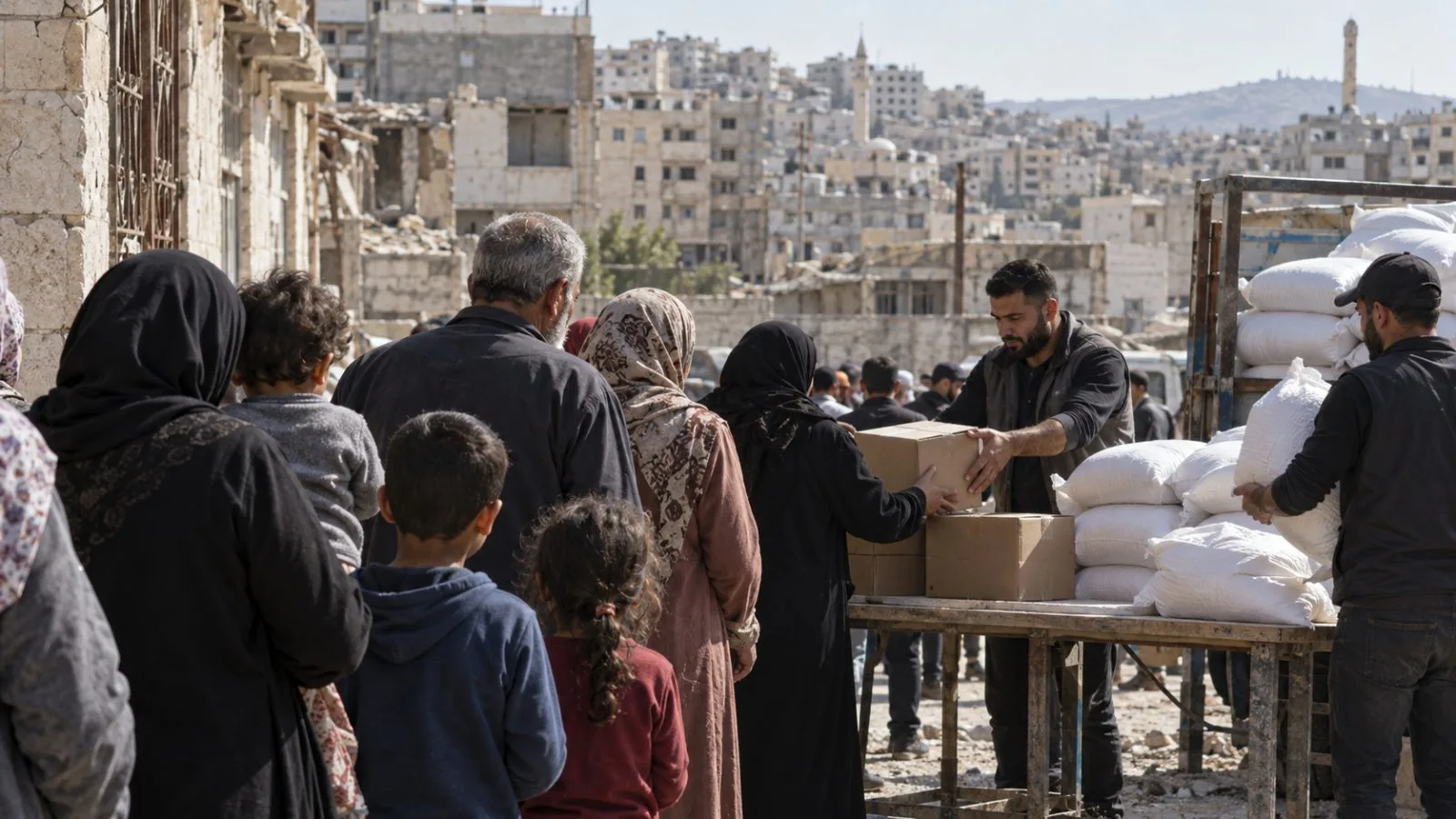
The access problem extends beyond the demining team. WFP and its partners said Oct. 14 they could not reach more than 600,000 aid-dependent people in Taiz, including more than 200,000 women and children. Recent checks showed little wheat flour remained in affected areas, WFP said.
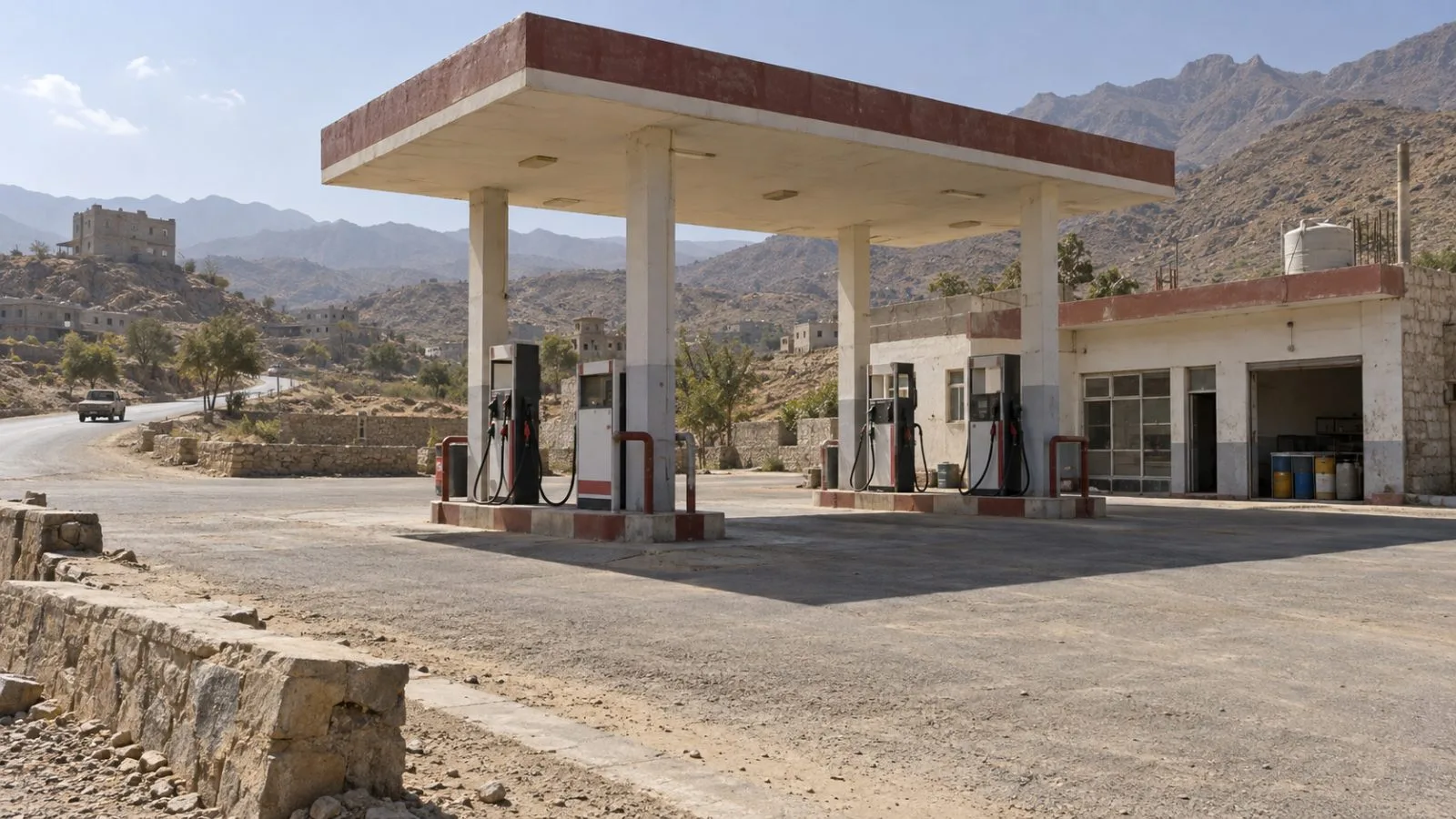
United Nations (U.N.) Humanitarian Coordinator for Yemen Laurent Bukera said Oct. 20 that food and fuel still available in Taiz cost more than double their earlier levels, while water production was running at half its previous rate. He called on Houthi de facto authorities to ensure commercial shipments and relief deliveries could enter safely.
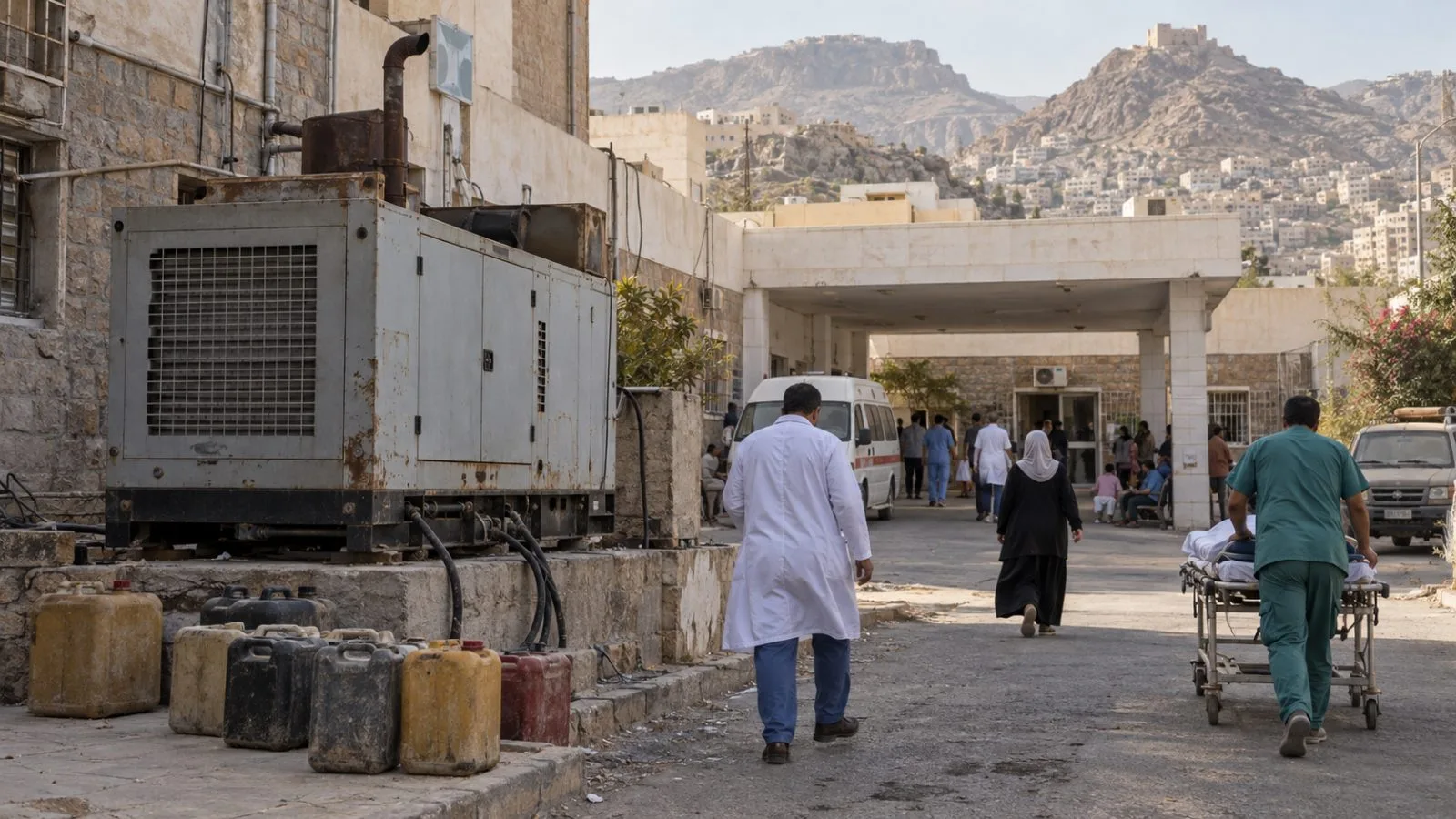
Fighting and fuel shortages also threaten water systems serving about three million people, including at least 1.6 million children, UNICEF said. The agency estimated that 120,000 people had been displaced to Taiz since fighting escalated in September. Fuel shortages threaten the pumps needed to supply water, UNICEF said.
The route constraint predates the latest closures. HALO said in a February account that frontlines had already cut the main highway linking Taiz with Aden. The organization began operations in Taiz in late 2022. EconoTimes’ earlier coverage of Taiz’s water and price pressures detailed strains on services and household costs.
WFP cautioned Oct. 14 that a funding shortfall would force it to cut assistance starting in November. It said it needed $268 million through 2027 to sustain emergency food assistance, nutrition programs, school meals, resilience work and humanitarian logistics in Yemen.