


 Meta Launches Muse Wonder AI Models, Shares Rise 3.7%
  Elon Musk Eyes Semiconductor Manufacturing Expansion With $15 Billion Terrafab Project
  US Supreme Court Revives Trump Administration Voter Citizenship Database
  TSMC Profit Set to Surge 65% as AI Chip Demand Drives Record Earnings
  OpenAI Annualized Revenue Hits $50 Billion, Below Earlier Estimates
  TSMC Q3 Revenue Beats Estimates as AI Chip Demand Surges
  Trump Sanctions International Criminal Court, Sparking EU Backlash
  OpenAI Revenue Hits $50 Billion, Below Earlier $70 Billion Estimate
  Nvidia’s China AI Chip Market Share Falls to 34% as Huawei Gains Ground
  US Charges Maduro and Wife With Torture Conspiracy
  TikTok Accused of Testing Fake Safety Tools on Users
  ICC Rules Duterte Fit to Stand Trial in Drug War Case
  Amazon in Talks to Acquire AI Startup Decart for $7 Billion
  Epic Games Delays Disney Shooter, Shifts to AI-First Development
  Solidigm Taps Goldman, Morgan Stanley for $10 Billion US IPO
  Evan Gershkovich Says FSB Set Trap for 2023 Russia Arrest


 Add as a preferred source on Google
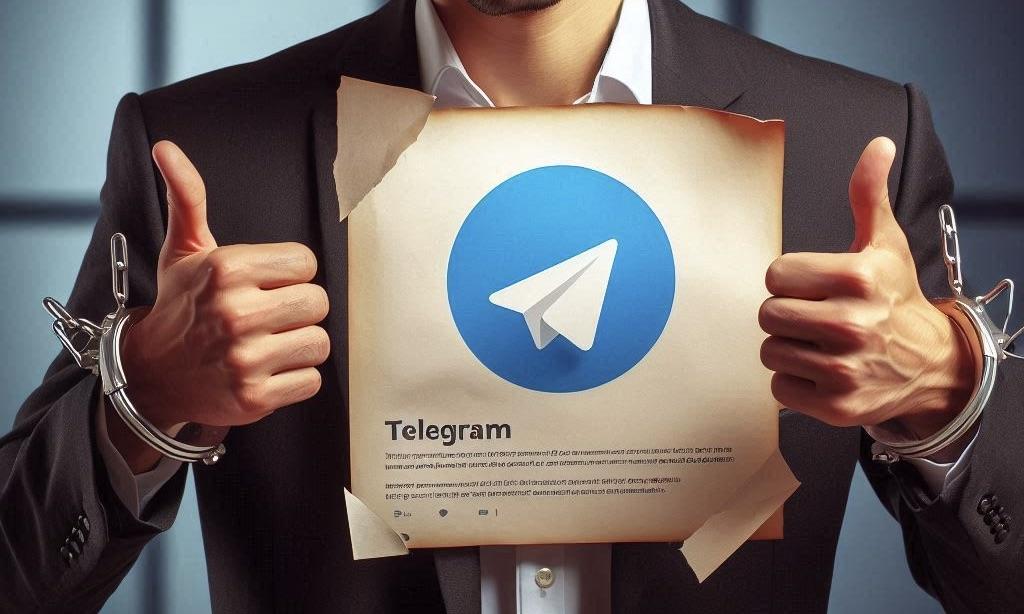
Telegram CEO Pavel Durov's recent arrest in France has ignited a firestorm of controversy, as his lawyer and several global figures decry the detention as an attack on free speech. The 39-year-old tech billionaire was taken into custody by French authorities at Le Bourget Airport in Paris, sparking intense debate about the role of social media platforms in moderating content and their responsibility in preventing criminal activities.
Durov's arrest is reportedly linked to ongoing investigations into Telegram’s moderation practices—or lack thereof—particularly concerning illegal activities on the platform, such as drug trafficking, child exploitation, and fraud. French officials allege that Durov has not taken adequate measures to curb the misuse of Telegram, a claim that the platform has previously denied.
The arrest has drawn sharp criticism, particularly from Durov's lawyer, Dmitry Agranovsky, who characterized the detention as "absolutely ridiculous" and likened it to blaming a car manufacturer for crimes committed with its vehicles. Agranovsky’s comments have resonated with many who view the arrest as a politically motivated move against Durov, known for his staunch defense of privacy and refusal to cooperate with government surveillance efforts.
Telegram, which Durov founded in 2013, has grown into one of the world's leading messaging apps, particularly popular in Russia, Ukraine, and other former Soviet states. The platform has frequently come under scrutiny for its hands-off approach to content moderation, which critics argue allows harmful and extremist content to flourish. Despite this, Telegram has remained a go-to platform for users seeking secure communication, bolstered by Durov's commitment to privacy.
The Russian-born entrepreneur, who now holds dual citizenship in the United Arab Emirates and France, has had a tumultuous relationship with government authorities, especially in Russia. In 2018, Telegram was banned in Russia after Durov refused to hand over user data to the government, a ban that was lifted in 2021. His latest legal troubles in France have reignited discussions on the balance between free speech and the need for regulation on digital platforms.
The Russian Embassy in France has expressed concern over Durov's arrest, stating that it is working to "clarify the reasons for the detention" and ensure the protection of his rights. Meanwhile, Russian officials have condemned the arrest, accusing the West of double standards when it comes to freedom of speech and democracy.
The arrest has also caught the attention of notable figures outside of Russia. American whistleblower Edward Snowden, who has lived in exile in Russia since 2013, described the arrest as an "assault on the basic human rights of speech and association." Similarly, X owner Elon Musk, who has faced criticism over content moderation on his own platform, voiced his support for Durov, using the hashtag #freepavel in his posts.
Telegram's moderation practices have long been a point of contention, with the platform allowing groups of up to 200,000 members—a feature that critics argue facilitates the spread of misinformation and extremist content. In the UK, Telegram has faced scrutiny for hosting far-right channels that were instrumental in recent violent unrest in English cities.
While Telegram has taken steps to remove some of the most egregious content, cybersecurity experts maintain that its moderation efforts lag behind those of other social media platforms. Durov's arrest, therefore, underscores the ongoing global debate over the responsibilities of tech platforms in policing content while safeguarding free speech.
As the situation unfolds, it remains to be seen how Durov's legal battle will impact Telegram's operations and the broader discourse on digital rights in an increasingly interconnected world.







