For a while now, the goal of introducing completely autonomous vehicles on the roads has been one that many in the auto industry have shared. Two names that are leading in this arena is Tesla, led by the billionaire tech icon Elon Musk, and despite having never dabbled in the car market aside from providing navigation services, Google. However, looking at the two companies, it’s clear that they have different approaches when it comes to promotion self-driving cars despite having the same goals.
As the Seattle Times put it, both Google and Tesla agree that self-driving vehicles are the safer and logical future of the auto industry. However, the two companies have different ways of going about making this future a reality.
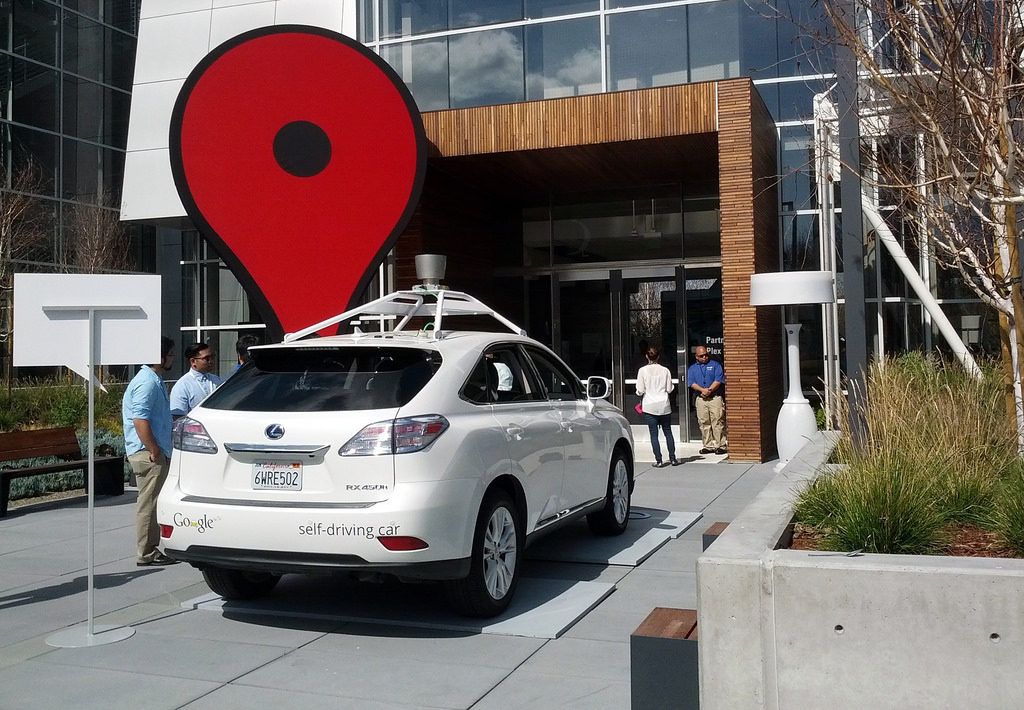
With Google, for example, the focus was in making sure that its autonomous technology is as safe as possible before introducing it to the greater public. This was in response to what Chris Urmson, the head of Google’s self-driving car program said last year about what the tech giant noticed when they had their employees take Lexus SUVs equipped with an array of sensors and cameras out for a spin.
“Within about five minutes, everybody thought the car worked well, and after that, they just trusted it to work,” Urmson said. “It got to the point where people were doing ridiculous things in the car.”
The employees were already told that they should keep their hands on the wheels at all times even when the vehicle was in self-driving mode. It was concluded that this display of carelessness is just an inseparable part of being human, which is why Google decided to make their technology human-proof.
Tesla, on the other hand, decided to release self-driving features on their vehicles through updates. The feature was meant to use the drivers who activated the semi-autonomous features as lab rats in order to refine the technology.
Unfortunately, this has led to a number of tragedies in recent months, which casts a shadow on the future of autonomous driving.