


 MSTR Stock Rises as Barclays Raises Price Target to $175
  Gold Prices Rise as Hormuz Tensions Fuel Inflation Risks
  Extreme heat, flooding, wildfires – Colorado’s formerly incarcerated people on the hazards they faced behind bars
  US Dollar Hits 18-Month High as Fed Signals More Rate Hikes
  Ukraine minerals deal: the idea that natural resource extraction can build peace has been around for decades
  Gold Prices Hit One-Week High as Oil Falls, Fed Rate Outlook Weighed
  Trump Buys Up to $25M in Meta Stock, Invests in SpaceX Debt
  Blockchain.com Seeks CFTC Approval for Prediction Markets and Crypto Derivatives
  Dollar Near 18-Month High as Euro, Yen and Pound Weaken
  US-Led Coalition Targets Global Factory Overcapacity
  Thousands of satellites are due to burn up in the atmosphere every year – damaging the ozone layer and changing the climate
  How is Antarctica melting, exactly? Crucial details are beginning to come into focus
  We combed through old botanical surveys to track how plants on Australia’s islands are changing
  Starbucks Explores Chipotle Acquisition as Shares Swing
  Uber Exits Four African Markets Amid Rising Competition
  Moscow Exchange to Launch Crypto Trading on December 1


 Add as a preferred source on Google
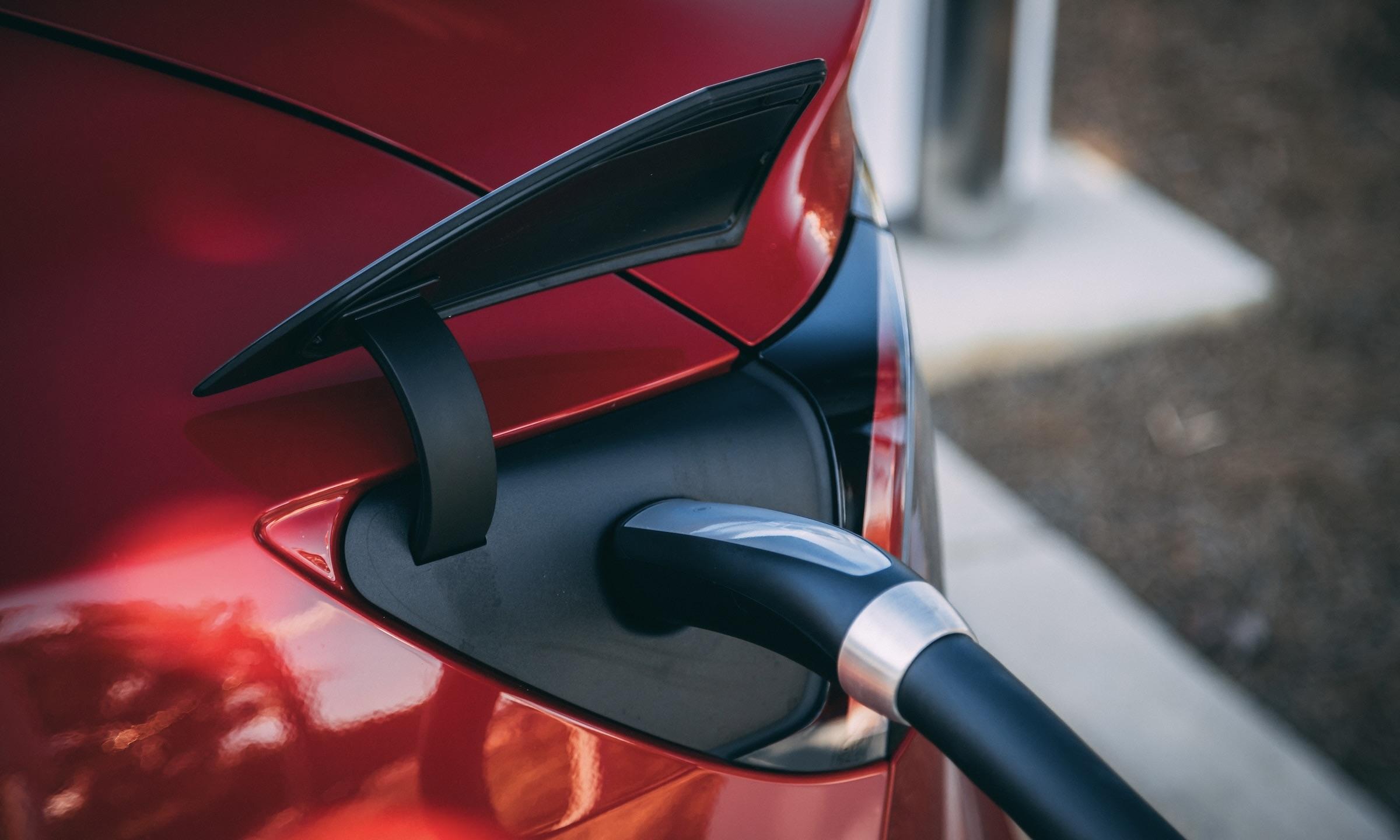
Tesla's electric-vehicle charging technology is transforming the North American infrastructure, becoming the industry standard as automakers and states alike adopt the groundbreaking North American Charging Standard (NACS).
With widespread adoption among industry leaders like General Motors, Ford, Rivian, and most recently, Volvo Car, Tesla's charging technology has gained significant momentum. This has come at the expense of earlier efforts by the Biden administration to establish the Combined Charging System (CCS) as the dominant charging standard in the United States.
SAE International, the renowned standards organization, aims to develop an industry-wide configuration of Tesla's charging connector within the next six months. Their ongoing discussions with Tesla, Ford, GM, other automakers, and the federal government signify a major step towards NACS standardization.
Referred to as "the North American Charging Standard (NACS)" by Tesla, this groundbreaking technology is poised to transform the electric-vehicle charging landscape. However, it is important to note that SAE International's official endorsement is still pending.
According to a study conducted by the National Renewable Energy Laboratory (NREL), the United States is projected to install a robust network of 1.2 million electric-vehicle public chargers, including 1 million Level 2 chargers, by 2030. Notably, this initiative surpasses the Biden administration's goal of deploying 500,000 public chargers within the same timeframe. While the NREL study does not provide a breakdown of NACS and other connector types, it highlights the nation's commitment to comprehensive charging infrastructure.
The substantial undertaking of building out the public charging network will require between $33 billion and $55 billion of combined public and private capital investment, as estimated by the NREL study. Such ventures represent a significant opportunity for private businesses and public entities to contribute towards a greener and more sustainable future.
To encourage the widespread deployment of electric-vehicle charging stations, the White House has announced that those utilizing Tesla-standard plugs will be eligible for substantial federal subsidies. It is worth noting that these subsidies would be contingent upon the inclusion of the U.S. charging standard connection, CCS.
The states of Texas and Washington have already shown their commitment to advancing electric-vehicle infrastructure by mandating the use of NACS, along with CCS, as part of the federal program. The impact of these state-level decisions on the federal government's approach remains to be seen.
The future of electric vehicle charging in North America is on the precipice of tremendous growth and innovation. With Tesla's technology at the forefront, it is an exciting time for the industry as we collectively strive for a sustainable and electrified future.
Photo: Vlad Tchompalov/Unsplash







