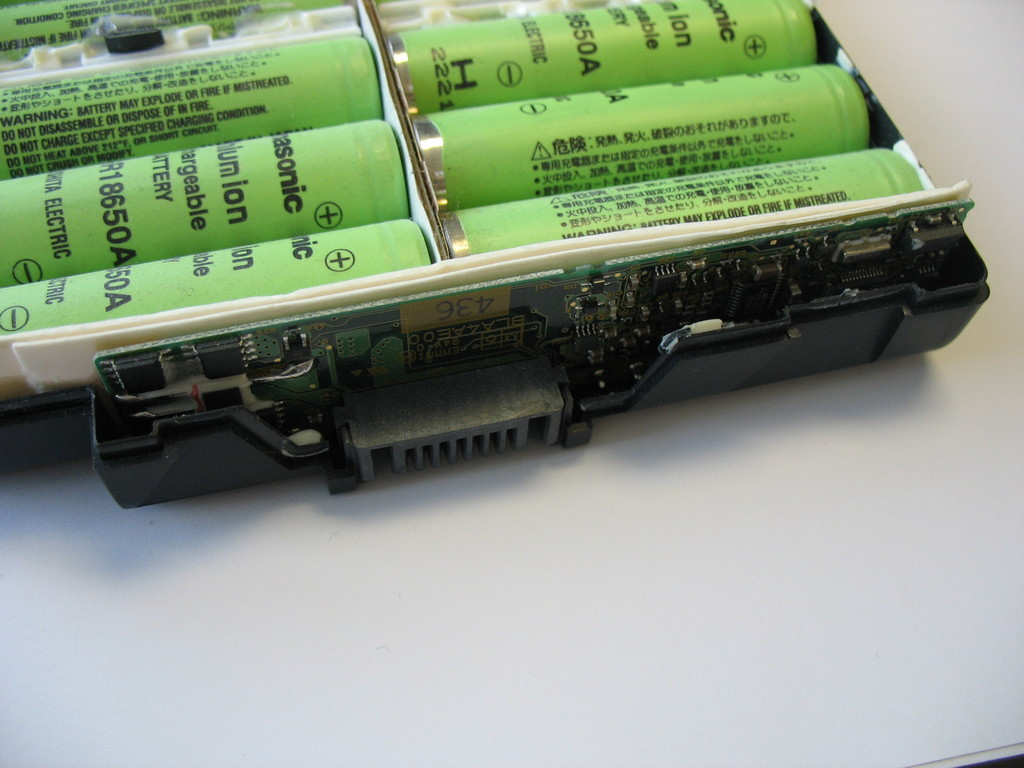
The Tesla Powerwall is the fastest growing home power storage product in the market, with rising interest among both consumers and entire governments. Now, it would seem that others have been inspired to create their own versions of Elon Musk’s revolutionary product with DIY power packs. Instead of used Li-ion car batteries, however, they are using old laptop batteries.
In a recent Motherboard interview, one of the most well-known builders of these DIY power packs named Joe Williams notes how they are basically the future of energy consumption and storage. This makes sense since it allows consumers to have control over how much power they are going to have. What’s more, when paired with solar panels, the combo results in virtually unlimited free energy.
"The end result is being able to rely on something I not only built myself but understand the ins and outs of to power some or all of my electricity in my home. That is inspiring," he said.
Many other builders are sharing their work via Facebook, YouTube, and technology forums that are dedicated to renewable energy and energy independence. When it comes right down to it, being free from reliance on big power companies is exactly what the Powerwall technology is meant for.
The newer versions of the Tesla Powerwall can hold up to 14kWh of energy each, which is usually enough for an average household’s consumption for an entire day. That load increases with each unit added, so big houses will likely benefit from three or four of these babies.
On the other hand, there have been some of these DIY power packs that surpassed even Tesla products’ capacities. A few even claim to have built units from recycled laptop batteries that hold up to 28kWh of energy, Futurism reports. In one YouTube video, the content creator was able to top that with a 40kWh DIY Powerwall.