


 Hong Kong’s Second Solana ETF Launches With Lower Fees
  OpenAI Annualized Revenue Hits $50 Billion, Below Earlier Estimates
  Epic Games Delays Disney Shooter, Shifts to AI-First Development
  Tencent Shares Fall as $5 Billion AI Bond Sale Weighed
  TSMC Q3 Revenue Beats Estimates as AI Chip Demand Surges
  FAA Warns US Airlines Over Saudi Arabia Flight Risks
  Moonshot AI Executives Seek Settlement Ahead of Hong Kong IPO
  Amazon in Talks to Acquire AI Startup Decart for $7 Billion
  Samsung, SK Hynix Shares Fall as China's CXMT Advances DRAM Technology
  Uber Exits Four African Markets Amid Rising Competition
  TSMC Profit Set to Surge 65% as AI Chip Demand Drives Record Earnings
  Oracle Uses Trucked Natural Gas to Power AI Data Centers Amid Pipeline Delays
  Trump Buys Up to $25M in Meta Stock, Invests in SpaceX Debt
  OpenAI Revenue Hits $50 Billion, Below Earlier $70 Billion Estimate
  European Auto Stocks Rise as EU-China Trade Deal Targets Hybrid Imports
  Morgan Stanley Predicts $10 Trillion RWA Market by 2030
  Bumble Shares Surge 50% on $1 Billion Buyout Talks


 Add as a preferred source on Google
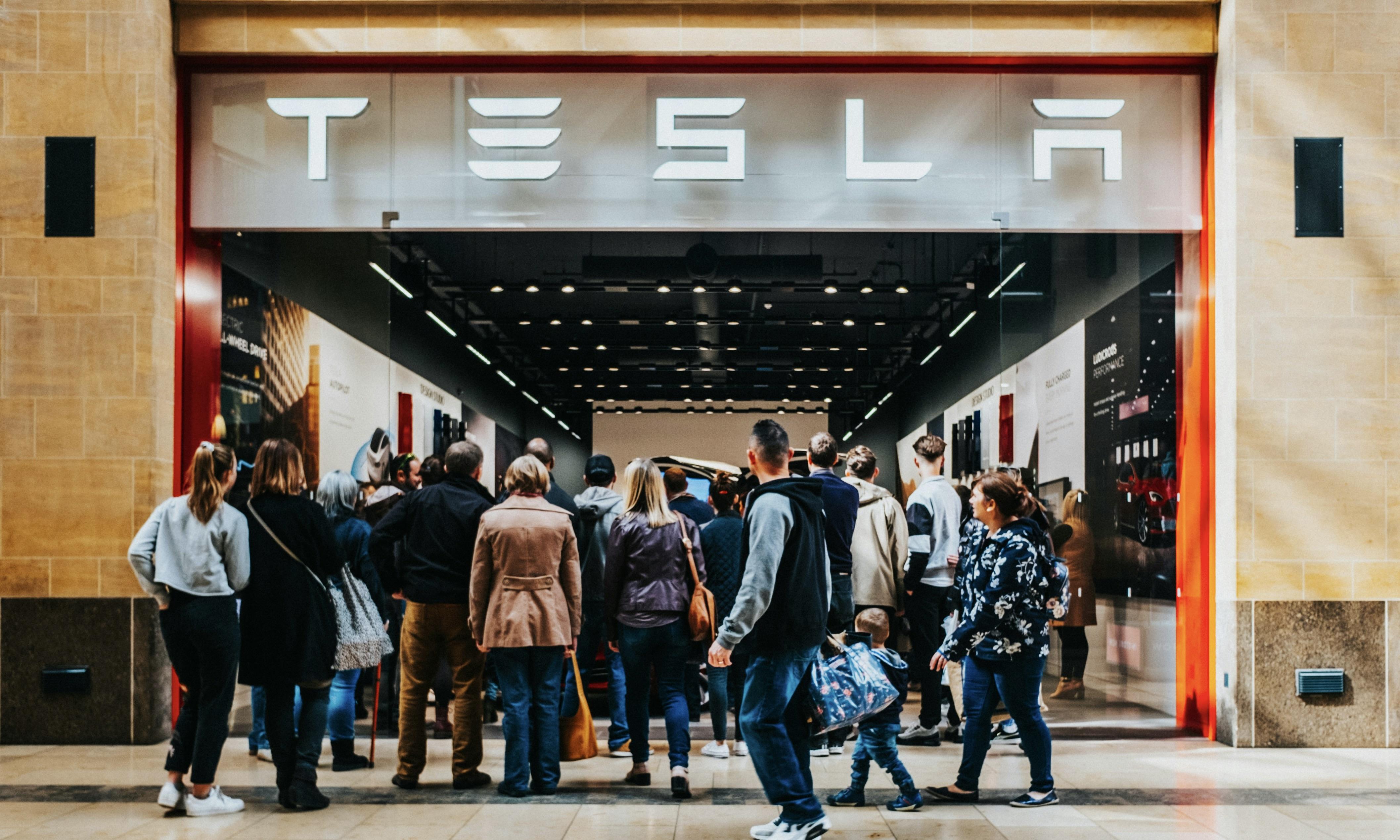
Tesla is scrambling to address the European backlash from fleet managers over frequent price cuts and high maintenance costs, leading to corporate dissatisfaction.
Tesla's Efforts to Rectify Complaints
With its fleets losing value due to Tesla's frequent retail price reductions, pricey maintenance, and sluggish service, the automaker displeased corporate clients, so it is now trying to win over some European leasing businesses.
Reuters interviewed nine executives from major leasing and rental-car firms and approximately a dozen corporate fleet managers. These discussions revealed that Tesla has been making significant strides to rectify the widespread service, repair, and ordering complaints plaguing fleet managers and leasing firms for years.
These efforts include unofficial discounts on new car purchases and a commitment to addressing these long-standing issues.
Impact of Price Cuts on Fleet Managers
Amidst a global decline in demand for electric vehicles and mounting competition, particularly from Chinese EV manufacturers like BYD, Tesla has been forced to implement retail price reductions to boost sales. However, this strategy has had a detrimental effect on the profitability of the company's largest European clients, where fleet purchases make up a significant portion of automobile sales.
Richard Knubben, director general of Leaseurope, a Brussels-based leasing and rental industry group that includes national groups from 31 countries, said that repeatedly seeing the value of a fleet buyer's assets go down is "nothing worse."
"Tesla is now actively telling our members: We can give you discounts and compensate you," Knubben said. "But Tesla's residuals have dropped so fast, I'm not sure the discounts they're offering are enough."
Challenges with Maintenance Costs
European leasing companies and their clients have also complained about the costly and time-consuming Tesla service. They assert that its restorations are significantly more time-consuming and expensive than other vehicles, partly due to the high cost of replacement parts.
Impact on Corporate Fleet Purchases
In the automotive industry, fleet customers hold significant value, particularly in Europe, where companies frequently lease many company cars for their employees due in part to associated tax benefits.
According to market research firm Dataforce (via The Business Standard), 44% of Tesla sales in the UK and 15 other EU countries last year came from leasing and rental-car company purchases.
Photo: Chris Boland/Unsplash







