


 Arthur Hayes Announces FLOP Testnet Launch Within Weeks
  Elon Musk Accuses Indian Telecom Giants of Blocking Starlink Launch
  Moonshot AI Executives Seek Settlement Ahead of Hong Kong IPO
  Meta Launches Muse Wonder AI Models, Shares Rise 3.7%
  Oracle Uses Trucked Natural Gas to Power AI Data Centers Amid Pipeline Delays
  Apple Supplier Luxshare Faces US Patent Probe, Sees Limited Impact
  Zcash Plans Quantum-Resistant Security Upgrade for January
  Yandex Data Center Hit by Drone Strike as Russia-Ukraine Cyber Infrastructure Attacks Escalate
  TSMC Profit Set to Surge 65% as AI Chip Demand Drives Record Earnings
  Apple Supplier Luxshare Sees Limited Impact From US Patent Probe
  Samsung, SK Hynix Shares Plunge as China Chip Competition Grows
  Samsung, SK Hynix Shares Fall as China's CXMT Advances DRAM Technology
  OpenAI Revenue Hits $50 Billion, Below Earlier $70 Billion Estimate
  TSMC Q3 Revenue Beats Estimates as AI Chip Demand Surges


 Add as a preferred source on Google
Contemporary Amperex Technology Co. Limited (CATL) is reportedly developing and validating M3P batteries in collaboration with electric vehicle manufacturer Tesla. As reported by individuals with knowledge of the subject, the update was provided.
CATL's M3P Batteries: Pioneering the Next Wave of Electric Vehicle Innovation with Tesla and Beyond
CATL has affirmed, as reported by the China-based publication The Paper (via Teslarati), that its M3P batteries have been integrated into a vehicle that Chery and Huawei have jointly developed. Considering this, the Luxeed S7, a sedan developed jointly by Chery and Huawei and powered entirely by electricity, maybe the first vehicle to incorporate CATL's M3P battery.
On February 28, in response to investor inquiries, CATL disclosed that it was progressing with additional M3P battery customers. A Tesla customer is anticipated to be among these. Given that CATL already supplies the electric vehicle manufacturer with lithium iron phosphate (LFP) batteries utilized in Tesla vehicles manufactured at Gigafactory Shanghai, these expectations are not unexpected.
CATL chief scientist Wu Kai stated in July 2022 at a battery conference that the M3P battery features a higher energy density than conventional LFP batteries due to its novel material system. CNEV Post reports that the M3P battery is also anticipated to target the market for vehicles with a range of more than 700 kilometers (434 miles).
A longstanding rumor exists that CATL's M3P batteries were incorporated into Tesla's electric vehicles. Early in August 2023, the local newspaper LatePost published an article speculating on the potential use of M3P batteries in the Tesla Model Y.
A few weeks later, Sina Tech reported that Tesla would reportedly equip the Model 3 with M3P batteries, resulting in an approximate 10% increase in range for the all-electric sedan. Nevertheless, these reports continue to be conjectured as of today.
Expanding the Grid: Tesla Opens Supercharger Network to Major EV Players
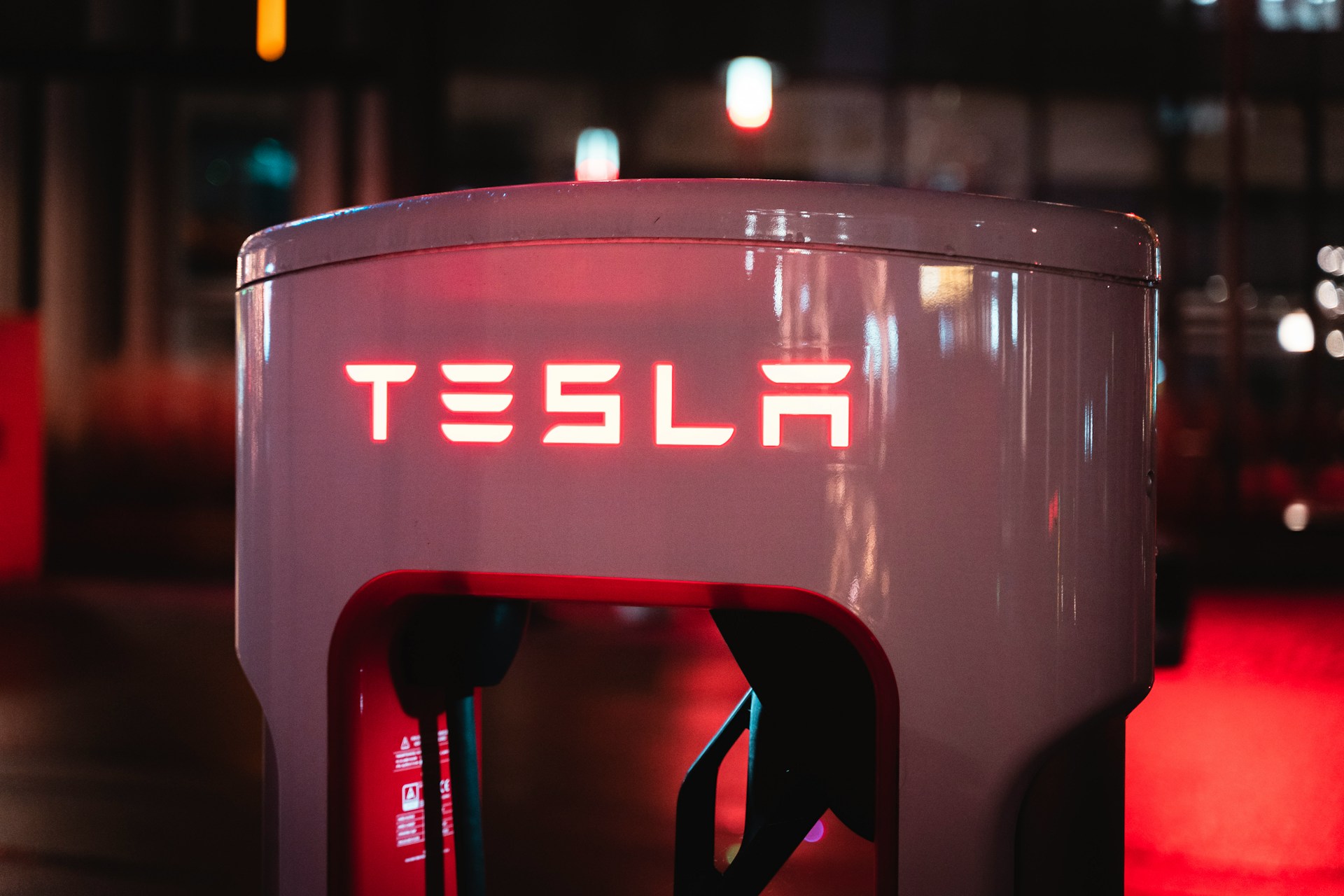
In March, Tesla announced today that it would grant additional electric vehicle manufacturers access to the Supercharger Network.
Tesla and Ford formally inaugurated their Supercharger collaboration this morning, granting drivers of the F-150 Lightning and Mustang Mach-E access to the extensive network of electric vehicle chargers operated by both companies.
An increasing number of manufacturers will join what CEO Elon Musk calls the "NACS coalition" over the following year, granting Ford access to the Supercharger Network.
Tesla confirmed that additional businesses will be granted access to Superchargers in the United States and Canada in March.
Those automakers are:
- Rivian
- General Motors
- Volvo
- Polestar
Like Ford, these businesses are anticipated to release an NACS adapter before ultimately adopting the connector.
Photo: Paul Steuber/Unsplash







