


 Most Americans Oppose Election Betting on Prediction Markets, Poll Finds
  Zelenskiy Offers Russia Energy Truce Amid Trump Pressure
  Greenland Lawmakers Back Trump Security Deal Despite Economic Concerns
  Jordan Bardella Antisemitism Allegations Threaten Le Pen’s Campaign
  Trump Denies Russia and China Are Helping Iran in U.S. Conflict
  Panama Declares Emergency After 7.7 Earthquake Triggers 200 Aftershocks
  UK Finance Minister Healey Calls for Fiscal Discipline Amid Global Risks
  Pakistan Declares Emergency in Khyber Pakhtunkhwa, Suspends Imran Khan’s PTI Government
  US Judge Blocks Trump Administration’s Taxpayer-Funded Political Ads
  European Auto Stocks Rise as EU-China Trade Deal Targets Hybrid Imports
  NATO Commander Warns Russia of Devastating Response to Attack
  Houthis Warn Saudi Airports After Deadly Riyadh Attack
  US Authorities Raid Ilhan Omar’s Home Amid Immigration Fraud Probe
  Djibouti Migrant Boat Capsizes, Killing 139 and Leaving 84 Missing
  Russian Strikes Kill Six in Ukraine, Including Three in Kharkiv
  India Voter List Protests Reach Supreme Court as Opposition Demands Election Chief's Resignation
  North Korea Fires Ballistic Missiles Amid Rising Tensions With South Korea


 Add as a preferred source on Google
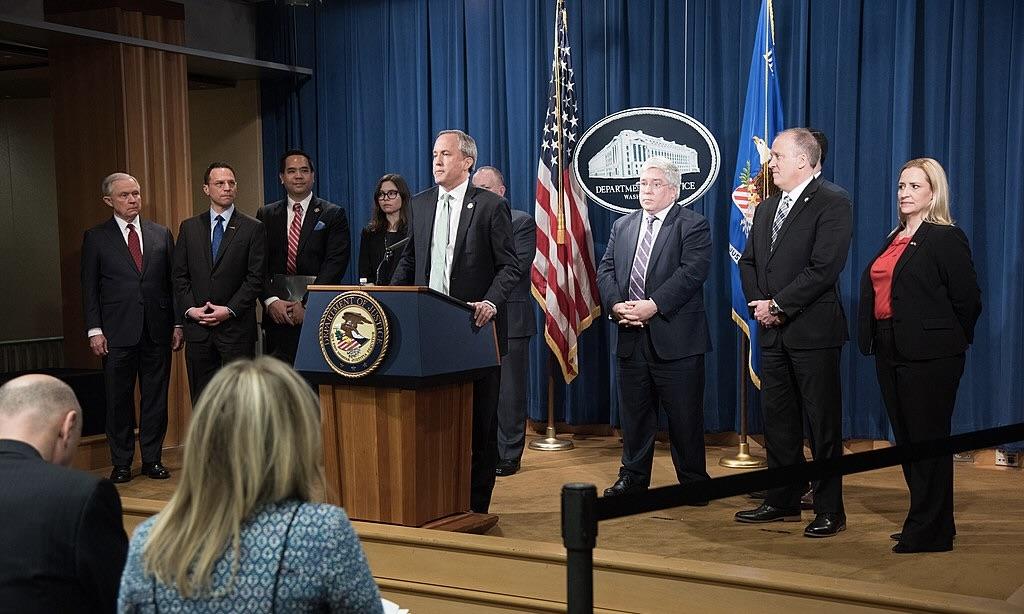
Texas Attorney General Ken Paxton has thrown his support behind Kash Patel, a prominent ally of former President Donald Trump, as the next director of the Federal Bureau of Investigation (FBI). The endorsement has sparked widespread controversy, with critics warning that Patel’s appointment could lead to a highly politicized era for the nation’s top investigative agency.
Paxton’s statement of support comes amid growing speculation that Patel, a former Defense Department official and vocal Trump supporter, could be tapped to lead the FBI in the next administration. The Texas attorney general called Patel a “visionary reformer” who could restore public trust in the agency, but detractors argue that his controversial track record raises significant concerns about impartiality.
A Divisive Figure for a Critical Role
Kash Patel, widely known for his work in intelligence and his role in investigating the origins of the Russia probe, has become a polarizing figure. Supporters praise his aggressive stance on reforming federal institutions, while critics accuse him of prioritizing loyalty to Trump over impartial governance.
Paxton’s endorsement signals a broader push among Trump allies to overhaul what they describe as “deep-state corruption” within the FBI. The agency has faced criticism from conservatives for its handling of high-profile investigations involving Trump and his associates, fueling calls for a leadership change.
“Kash Patel represents a chance to rebuild the FBI from the ground up,” said a Paxton spokesperson. “He understands the need for accountability, transparency, and restoring faith in our justice system.”
Critics Raise Alarms Over Politicization
Opponents of Patel’s potential nomination argue that his close ties to Trump and his past roles in politically charged investigations make him unsuitable to lead a nonpartisan agency. Critics warn that Patel’s leadership could lead to the weaponization of the FBI against political opponents and undermine its credibility.
“Kash Patel’s nomination would be a disaster for the FBI’s independence,” said a legal analyst. “His appointment risks turning one of the most respected agencies in the world into a partisan tool.”
The concerns are not unfounded. Patel has been outspoken about his desire to expose what he calls “institutional corruption” within the FBI and other federal agencies, raising questions about how he might use the director’s position to further political agendas.
Paxton’s Endorsement Draws Fire
Paxton’s support for Patel comes at a time when the Texas attorney general is no stranger to controversy. Recently acquitted in his impeachment trial, Paxton has emerged as a staunch Trump ally and a prominent voice in conservative circles. His backing of Patel further aligns him with efforts to reshape federal institutions under a potential second Trump administration.
Democrats and moderate Republicans have expressed alarm at the potential implications of Patel’s leadership. They argue that such an appointment could deepen partisan divisions and erode public trust in law enforcement.
What’s Next for the FBI?
The FBI director nomination process is likely to become a major flashpoint in the coming months. With figures like Paxton endorsing Patel, the debate over the agency’s future will only intensify. For now, the nation waits to see whether Trump’s administration will follow through with the controversial pick—and what it could mean for one of America’s most powerful institutions.







