Marketing has always needed to adapt to a changing environment, whether that’s the tastes of the consumer or the technology that consumers use. The cultural and technological landscape has changed a lot in the last decade and only seems to be picking up pace.
It’s the consensus that more and more processes will be digitised in the future, mostly due to powerful incentives like convenience and cost-efficiency. If the economy of the future will continue to be a digital one, every marketer should know these four principles behind how and why digital economies market themselves to consumers.
Source: Pexels
Digital Products Are Here to Stay
During the adoption phase of the internet, we saw many brick-and-mortar stores leaping online to expand their marketing reach. That’s why a distinction should be made between businesses that sell physical goods versus those that don’t. While there may be some overlap, many digital marketing strategies work so well because they’re not offering an item – they’re offering a digital product or service. This allows businesses a lot more agility in how they can market themselves and delight customers, unburdened by the logistics of sourcing, storage and distribution.
Any website you see, unless explicitly representing a shop, is a digital enterprise offering value to customers through the screen. People buy and trade blogs all the time, turning digital success into real-world profit.
Alongside the rise of e-commerce and other digital marketing strategies, there have always been industries like iGaming that advertise an experience instead. Not just one experience, but multiple across hundreds of games across many different websites. The selection of games varies from slots to bingo and even a combination of the two, as can be seen at https://bingo.paddypower.com/p/slingo-games. Offering digital products and services is a viable business now and will continue to be in the future. As such, it’s important that marketers understand the benefits of marketing digital economies over non-digital counterparts.
Data is King
The value of accurate, actionable data has been understood by marketers for years. Before the internet even came into existence, there was a long history of companies buying pricey market research. Fortunately for modern marketers, the online economy has made it easier to track interest in a business.
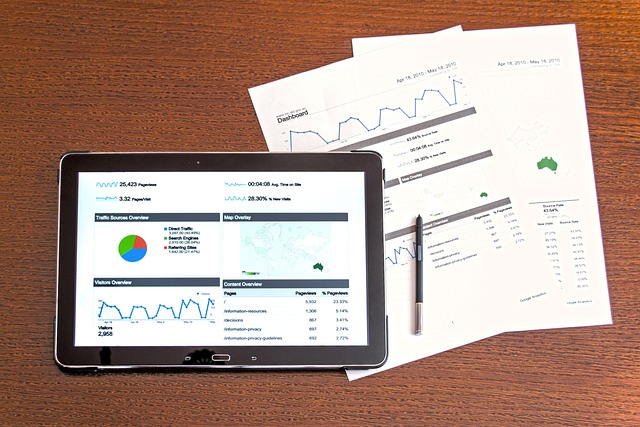
Digital economies are making data-driven marketing easier than ever before. While data regulations rightly protect the consumer, businesses still have more free-flowing data than they know what to do with. That creates a lot of noise but with a skilled online marketer, they’ll know which metrics to tune up.
Source: Pixabay
This can come in a variety of ways. If qualitative, customer-reported feedback is still a priority, digital marketers can create social media pages for a business. This grows a community that’s squarely in the company’s sites, meaning they can keep up with feedback and complaints with a laser focus.
Then there are the many quantitative metrics from sales figures to SEO ranking criteria. Web designers and digital marketers can use SEO principles to bolster a website’s performance online and generate more revenue as a result. It goes deeper than that with metrics for conversion, bounce rates, and even click maps that show exactly where visitors to your page go. This allows UX/UI gurus to reformat their site around that activity, subconsciously making it more appealing to prospective customers.
Branding & Marketing Are the Same
That last principle leads us to branding. When your business is an online venture, your website is your storefront. This breaks down traditional marketing barriers between brand image and other things like service quality and marketing individual products. Even if a product sounds great through marketing copy, customers won’t get it from a site that looks shady and poorly put together.
There’s still some distinction between branding and marketing. Marketers are hungry for leads while a brand manager has a more holistic view, seeking to build connections to other businesses, customers and the wider community. It’s becoming more common for marketers to fulfil this role. Sourcing great marketing data from a social media audience is, after all, community engagement.
So, the overlap between the two is growing. When your venture is confined to pixels on a screen, how your business looks is one of the most powerful marketing tools at your disposal. Airtight branding conveys the image of a legitimate, respectable business that will stand out against the bad actors that can flood online industries sometimes. If the business has a story, even better, this is how brick-and-mortar shops with a pre-internet legacy can outclass new websites.
Digital is Consumer Friendly
Widespread digitalisation didn’t happen by accident, it happened because it has many consumer-friendly benefits that customers prefer over others. Convenience has already been mentioned – it’s powerful to press a few buttons or swipe at a screen to place an order or download something. Before the internet, you’d need to pick up the phone or go grab the digital product yourself because it existed in disc format.
With some exceptions, there are identifiable trends in how different generations interact with the internet. For example, the first internet-goers primarily used chatrooms to communicate niche interests and find pen pals. Then came the social media of the 2000s, where users communicated between social events that were planned through sites like Facebook. After that, social media and the messaging apps tied to them replaced a lot of real-world interaction due to convenience. Now, real-world businesses have found their way online and this seems to be ramping up thanks to the metaverse and Web 3.0 ideas.
All that said, marketers can and should champion and communicate how consumer-friendly digital economies can get. Along with becoming savvier over the years, online consumers have a near-limitless army of entrepreneurs vying for their attention. This hyper-competitive environment has led to many pro-consumer practices becoming the norm, such as free trials that existed (and still do) for streaming services.
Throw in future speculation about blockchain adoption and things will get even sweeter for consumers. For example, blockchain can better facilitate business-to-customer interactions directly, making the shopping process more seamless for both sides. Customers could also amass and sell their own data for profit – voluntary, high-value data that benefits businesses more.
These basic principles seem to be why digital economies have taken off like they have. They’re more convenient for both business owners and customers, can offer digital products/services, source high-quality data and force companies into creating strong brands, often with online communities attached. We don’t see any of these changing in the future. The internet, and doing business over it, definitely wasn’t a fad and isn’t going anywhere soon.
This article does not necessarily reflect the opinions of the editors or management of EconoTimes.