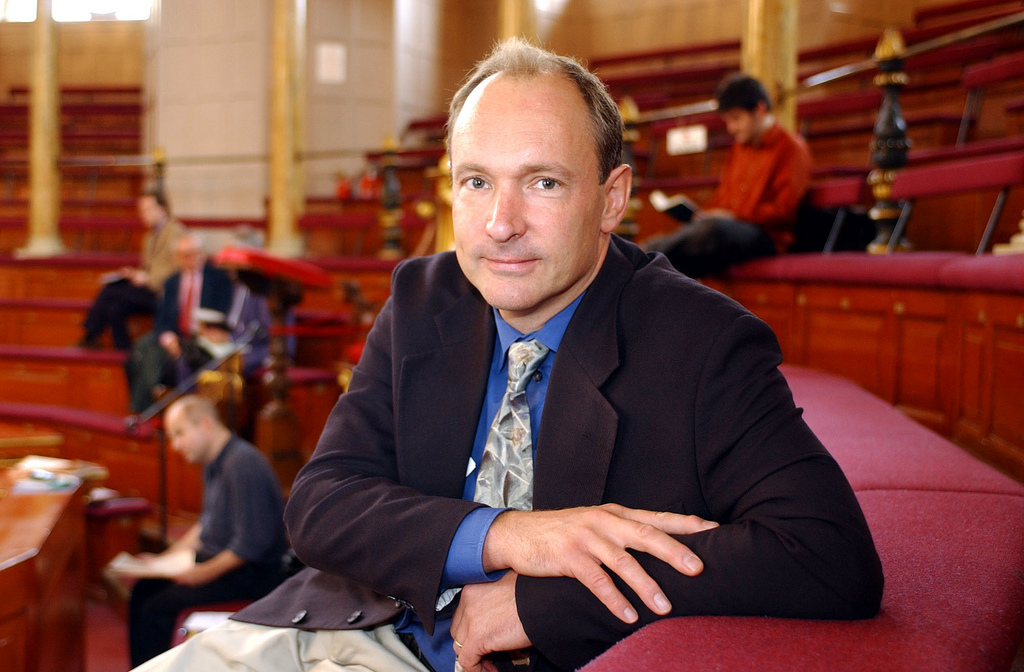
The World Wide Web, as people know it today was, created by a man named Tim Berners-Lee. With the recent celebration of the explosive technological innovation’s 28th anniversary, the man himself is not in much of a celebratory mood. In fact, with the internet nearing 30, Berners-Lee sees three challenges that he believes are the service’s greatest threats.
According to Berners-Lee, the most dangerous trends affecting the internet right now that could severely change the way it is used for the worse are the loss of control of user data, the spread of fake news, and the vagueness of political ads online. In the letter that Berners-Lee wrote about the issue, he notes how the internet has become a bastardized version of what he originally envisioned.
“In many ways, the web has lived up to this vision, though it has been a recurring battle to keep it open,” the letter reads. “But over the past 12 months, I’ve become increasingly worried about three new trends, which I believe we must tackle in order for the web to fulfill its true potential as a tool which serves all of humanity.”
With regards to personal data, Berners-Lee expresses his concern that users are becoming increasingly nonchalant in giving away personal information in order to gain access to free services. Facebook has been one of the biggest targets of criticism pertaining to this issue, but Google and even Microsoft are also guilty of such practices.
The matter of misinformation and skewed ads to push particular political agendas are also worrisome in the eyes of the inventor because it has made the WWW just another platform of manipulation for financial or political gain, Quartz reports. Nothing makes this more obvious than the fierce online battle that went on during the most recent presidential elections.
At the time, both sides were competing for the top spot in spreading misinformation to bolster their candidate’s chances and diminish the other in the eyes of voters. By all accounts, the Republican side of the aisle is the winner in terms of the sheer number of fake news published and shared.