


 Best Gold Stocks to Buy Now: AABB, GOLD, GDX
  Yen in Focus as BOJ, Fed Rate Hikes Reshape Currency Markets
  RBI Rate Hike Bets Surge as Inflation Rises
  RBA Set for September Rate Hike as Inflation Stays High
  Fed’s Hammack Says More Data Needed Before Next Rate Move


 Add as a preferred source on Google
Looking ahead, the Fed is expected to hike three or perhaps four times next year. The base case of three hikes assumes that there is a soft spot in the markets or the economy at some point in the year ahead, causing the Fed to pause for more than one meeting.
On the other hand, if the economy consistently matches the Fed's forecasts four hikes are expected. Looking further out, four hikes are expected in 2017, a peak of about 3.25% in the funds rate and a very slow winding down of the Fed's balance sheet starting in early 2017.
By some accounts four hikes is the upper bound on the Fed's moves next year. Hiking more than four times would require significant upside surprises. However, if current trends continue the unemployment rate will drop well below the Fed's forecast. In the last five years GDP growth has fluctuated in a 1.3 to 2.7% range, but the unemployment rate has fallen through thick and thin.
The least credible part of the FOMC forecast is that the unemployment rate dips just 0.3% next year. A 0.5% drop is expected, but if history repeats an even bigger drop is plausible. If this drop coincides with clear evidence of stronger wage and core price inflation, the Fed could speed up late next year or in 2017.

- News

- Economy

- Central Banks
- Investing
- Research
- Roundups
- Digital Currency
- Insights
- Technical Analysis
- Technology
- Business
- Law
- Health
- Nature
- Fintech
- Science
- Topic
- Opinions
- ©Econometrics LLC . All Rights Reserved.
The dark side and the light side of the Fed
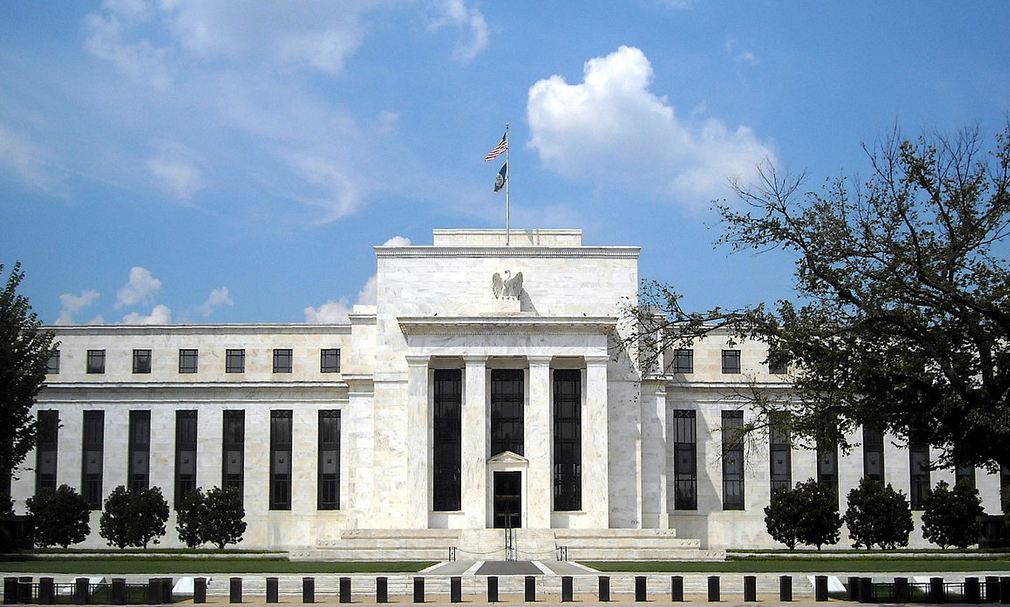
Thursday, December 17, 2015 2:42 AM UTC
Editor's Picks



- Market Data
Most Popular




