PLA and ABS are two thermoplastics that are commonly used with FDM printing. If the same model was printed with each of these plastics, the results would be surprisingly different. When placing an order with a 3D printing service, it's important to know which plastic is more appropriate for the project at hand.
How FDM printing works
Fused deposition modeling, or FDM, is one of the most widely available 3D printing methods. FDM printing is typically used to create quick prototypes, functional models, and simple end-use parts.
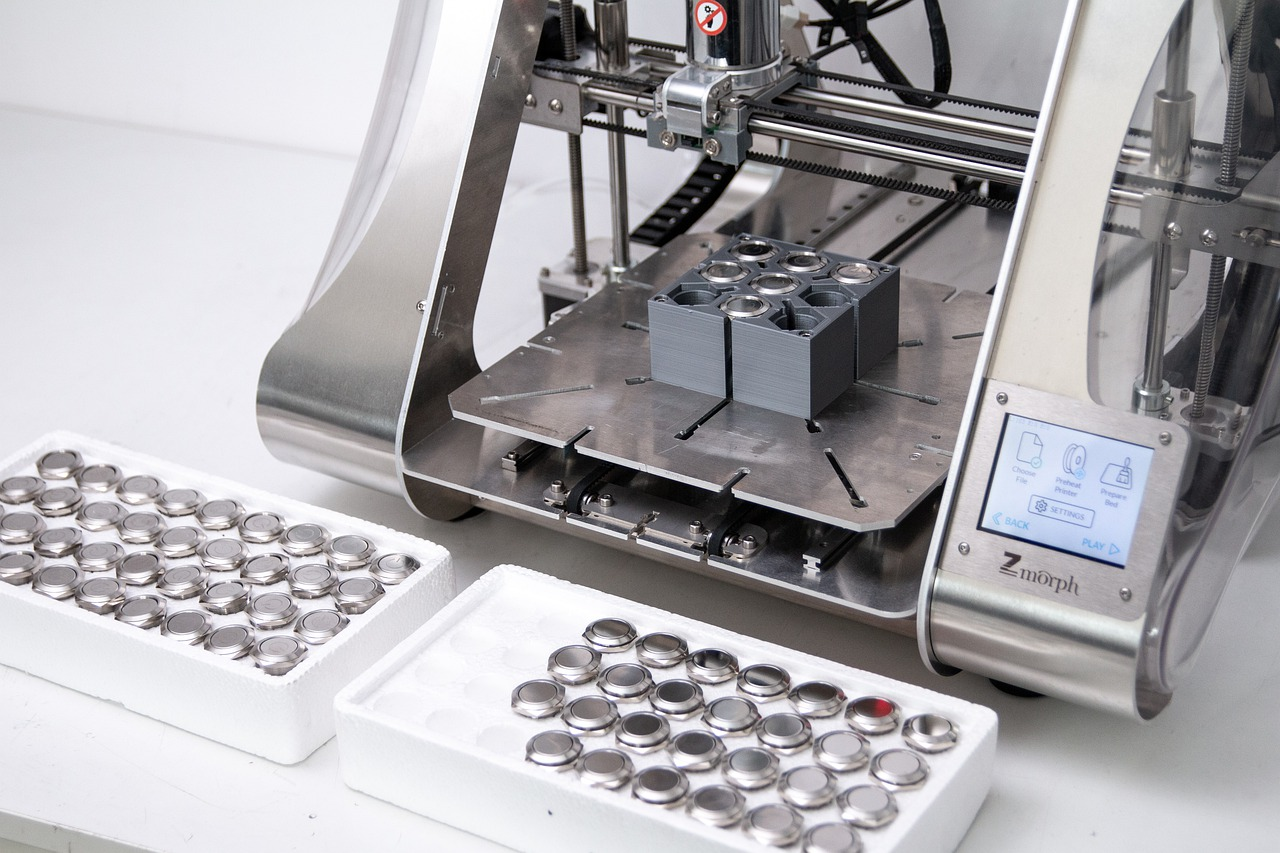
An FDM printer creates objects by extruding thermoplastics through a heated nozzle. The object is created in layers, and support structures may be used to create more complicated shapes. FDM can be used to create functional and highly detailed objects; the level of detail that can be achieved depends on the properties of the thermoplastic being used.
FDM printing is known for being cost-effective and for having extremely quick turnaround times. PLA and ABS are two of the most affordable materials to use with FDM printing. These plastics are easy to work with, cool down quickly, and result in strong, functional objects that can be used for end-use applications. In general, PLA is chosen when the look of the product is more important, and ABS is chosen when strength and resistance are desired.
PLA: Fine details and sharp features
PLA, or polylactic acid, is a bioplastic that can be derived from renewable materials. PLA is biodegradable under the right conditions, and manufacturer-approved PLA is often used to create food-related items.
PLA has a lower printing temperature than ABS. This makes it less likely to warp during the printing process, which means that PLA can be used to create finer details and sharper corners. An object made from PLA will be semi-translucent with a glossy finish.
PLA is significantly less ductile than ABS and is not heat resistant. When an equal amount of force is applied to the two materials, the PLA is more likely to snap, while the ABS will bend or hold its shape.
When to choose PLA:
Choose PLA for quick design prototypes in which appearance is more important than strength. PLA remains one of the most affordable 3D printing materials and is a great choice for models and simple parts. Items made with PLA will have sharper corners and a smoother finish. Because post-processing is seldom needed, PLA parts often have the quickest turnaround time.
ABS: Strong, flexible, and functional
ABS, or acrylonitrile butadiene styrene, is a traditional thermoplastic that is used for many different manufacturing methods. ABS does not have a true melting point; this amorphous material will simply change shape while maintaining the same molecular structure.
ABS has a higher printing temperature and cannot be used to make items with the same level of detail as PLA. However, what ABS lacks in aesthetics it makes up for in strength and impact resistance. Because ABS bends instead of breaking, it is frequently used to make end-use parts intended for internal operations.
With a glass transition temperature of 105 degrees Celsius, ABS is a fairly heat resistant material. ABS is not biodegradable, but it can be recycled in many cases.
When to choose ABS:
ABS should be chosen when strength, durability, or heat resistance is the most important feature of the product. ABS is as affordable as PLA; however, because it has a chance of warping during the printing process, it's not always suited for aesthetic designs. ABS is great for end-use parts or for functional engineering prototypes.
The average 3D print service will charge the same amount for an object made from either PLA or ABS. Select PLA for visual prototypes, and select ABS for functional designs. If a high level of visual detail is required, SLA printing or material jetting might be a better choice.
This article does not necessarily reflect the opinions of the editors or management of EconoTimes.