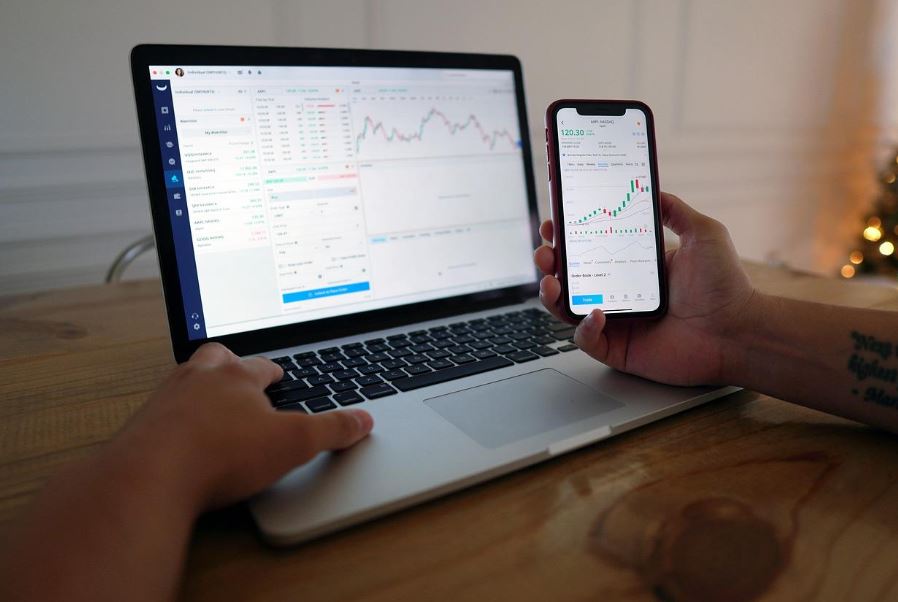
Potential profits and return on investment are the major draw to stocks and commodities for many. The mental picture of trading floors, as often shown in film and TV, also adds to the allure. Many people think of stocks as long-term investments, while commodities trading is more short-term and active.
However, hacking the trading markets can't be oversimplified in one sentence. It requires a solid understanding and the development of apt strategies, as it's akin to gambling. You can lose all your hard-earned money if the markets take a downward turn. The major difference is that, unlike playing the best Sweeps Casinos, you get ownership of an asset
Both markets have different risks and rewards, but they are also quite risky. This article will scrutinize key risk-reward divergences between stocks and commodities. We'll navigate how to determine the most viable, even in turbulent markets.
Stocks Trading Overview
Stocks, also called equities, represent fractional ownership in a publicly traded company. Investors buy shares of companies like Apple, Tesla, or Amazon, getting part-ownership. Companies sell stocks to raise money for growth and to provide shareholders with benefits and rights.
Benefits of Stock Ownership
Owning stocks as an investment option comes with several benefits, including.
-
Historically, stocks appreciate around 10% per year. Investors who want to keep their money for a while should avoid these options.
-
Stocks can add variety to investment portfolios alongside real estate, bonds, and cash.
-
If you own stocks in profitable companies, you get dividend income from their profits.
Risks to Consider
On the other hand, it's essential to note that trading stocks also has significant risks. You risk your money for profits that aren't guaranteed. You hope the markets go your way as you do in gambling. Other risks in trading stocks include.
-
Volatility: Individual stock prices fluctuate wildly day-to-day and year-to-year. Shareholders must endure this unpredictability.
-
Loss potential: Stocks can lose value, unlike guaranteed assets like bonds. Companies' failure impacts shareholders negatively.
-
Company dependence: Individual stocks depend heavily on the company's performance and outlook. A negative brand image or controversies can tank down shareholders' investments.
Commodities Trading Overview
Investors and businesses buy and sell commodities, raw materials, and agricultural products. Some common commodities are precious metals like gold and silver. Energy commodities include crude oil and natural gas. Livestock commodities are lean hogs and cattle. Crops like soybeans and corn are also commodities. You can trade commodities on exchanges, like the Chicago Mercantile Exchange, using futures contracts.
Benefits of Commodities Trading
Commodities trading has risks but also unique opportunities not found in other markets. Commodities are a different type of investment that can diversify portfolios and protect against inflation. Other benefits include:
-
Commodities do well when stocks fall, balancing the downturns. This smoothes out portfolio performance over market cycles.
-
Commodity prices usually go up when inflation happens, which helps keep purchasing power safe. As a real asset, commodities can maintain value as prices increase.
-
Commodity markets frequently experience price swings from changes in supply and demand. This volatility allows skilled traders to generate returns from price changes.
Risks of Trading Commodities
Commodities offer traders useful opportunities beyond traditional markets. These raw materials and agricultural products furnish portfolio diversification as an alternative asset class. Even with this, there’s more risk of trading in commodities. Some of the things to watch out for in commodities include:
-
Volatility: Like stocks, commodity prices fluctuate wildly due to shifts in supply and demand. This turbulence can lead to amplified losses.
-
Complexity: Commodity markets have intricate supply chain dynamics. Grasping these nuances requires substantial expertise.
-
Illiquidity: During selloffs, it may be harder to sell certain commodities due to limited market availability. In addition, future trading utilizes high leverage that can exponentially multiply losses and gains.
Comparing Risk and Reward
When assessing investment opportunities, savvy investors analyze potential risks against possible rewards. When considering stocks or commodities, it's important to evaluate the risks and potential returns.
Investors can compare the risks and rewards of different asset classes by looking at volatility, leverage, taxes, accessibility, and liquidity. This analysis enlightens optimal allocation strategies across portfolios. Ensure you check off the following to aid your decision-making process.
Risk Comparison
When evaluating asset classes, assessing systemic versus individual security risk proves vital. Stocks carry individual company risks based on that firm's performance and fundamentals. However, broader systemic market risk also affects stocks depending on economic cycles. Commodities conversely carry systemic risk tied to global supply and demand dynamics. Commodities often have similar characteristics, but their prices are mostly influenced by larger economic patterns.
The risks of using futures and options in commodities are different from stocks. Commodity futures use a lot of leverage. This means traders can gain more exposure with less money. However, such leverage could compound losses during negative price swings. Most stock trading doesn’t employ direct leverage, reducing this particular risk. Volatility still affects stocks and commodities because trading on margin is still possible. Realistically measuring volatility tolerance proves key for managing risks across diverse markets.
Reward Comparison
Stocks and commodities have different benefits. Stocks generate income, while commodities appreciate in value. Stocks provide more consistent income streams from dividend payments. Many quality companies deliver steady dividends, furnishing ongoing yields quarterly or annually.
Commodities lack inherent income, with potential gains tied to appreciation. Commodities are good for short-term gains due to price changes. Stocks are better for long-term strategies.
These divergences matter based on an investor's timeframe and preferences. Stocks suit investors seeking compounding growth over multi-year periods. The long runway allows capital appreciation and dividend reinvestment. Commodities better match short-term traders who actively capitalize on market swings.
Traders change positions fast to benefit from short-term price changes in weeks or months. To get the right rewards, match your investing goals and time frame with the right asset class. Investors who want to earn money or plan for the future may choose stocks. On the other hand, traders who prefer short-term investments often go for commodities.
Risk Management Strategies
Robust risk management represents a pillar of successful trading and investing. Investors can balance risks and rewards in stocks and commodities with strategies like diversification, position sizing, and stopping losses. To diversify, spread your money across different assets and markets so you don't focus on just a few.
This mitigates exposure to individual securities. Appropriate position sizing also lessens risk, as oversized positions amplify volatility's impact. Adhering to percentages of the total portfolio proves wise. To limit losses, always use stop losses and exit at predetermined price levels for each position.
All assets have risk principles, even though stocks and commodities differ. Investors must tailor the specifics of each strategy to the instrument being traded. Usually, calm stocks can handle larger sizes than contracts for unpredictable commodities.
To manage market risks, you can diversify, size positions, and use stop losses. In different market conditions, investors can use these strategies to control risk and reward.
Tax Considerations For Each Asset Class
Regarding stocks, investors must consider taxes for both dividends and capital gains. The government taxes dividend payouts from stocks, but qualified dividends have lower tax rates than regular income. The capital gains tax is applied when an investor sells stock and makes a profit.
Stocks held for over a year have lower tax rates for long-term gains than short-term gains. The holding period determines whether capital gains are classified as short or long-term. Understanding the difference can lead to smarter investment exit strategies.
Trading Costs
When you buy stocks consider trading costs, such as commissions and bid-ask spreads. Now, you can trade online for free but you might still have to pay for other services. Stocks have different levels of liquidity. Big companies have lots of trading and small spreads while small caps tend to have wider bid-ask spreads.
When trading commodities the costs are affected by contract roll costs, exchange fees and changing spreads. Liquidity depends on the specific commodity with gold and oil being highly active. However, many commodity contracts see lower trading volume versus large-cap stocks.
Best Practices For Trading And Investing in Stocks & Commodities
Prudent trading and investing require robust strategies. They enable you to cultivate gains while limiting risks. These guidelines enable traders to navigate diverse markets across stocks and commodities.
-
Diversify holdings: Spread capital across myriad assets and markets to minimize concentrated risks.
-
Utilize stop losses: Define and implement stop losses on all trades to restrict the downside. Don't marry positions.
-
Manage position sizing: Size trades appropriately for the asset volatility and account balance. Avoid oversizing.
-
Hedge risks: Use instruments like options and futures to hedge risks. Define and limit potential drawdowns.
-
Research fundamentals: Analyze supply/demand, financials, management, and macro trends to inform trades.
-
Have a trading plan: Outline entry/exit points, position sizing, and risk parameters before entering trades.
-
Limit leverage: Use leverage judiciously based on risk appetite. Excessive leverage can multiply losses.
-
Optimize tax strategy: Understand short vs. long-term capital gain tax rates. Locate assets optimally.
-
Cut losers quickly: Exit losing trades decisively per stop loss rules. Don't average down endlessly.
-
Let winners run: Avoid taking quick profits. Allow winning positions room to meet upside projections.
Conclusion
When considering stocks versus commodities, there are unique risk-reward profiles to evaluate. For conservative buy-and-hold investors, stocks may be preferable for lower trading costs. Commodities can protect against inflation and offer diversification from paper assets. Ultimately, wise investors consider upside opportunities and downside risks across market cycles. To increase returns and manage risks, analyze and diversify by combining stocks and commodities.
This article does not necessarily reflect the opinions of the editors or management of EconoTimes.