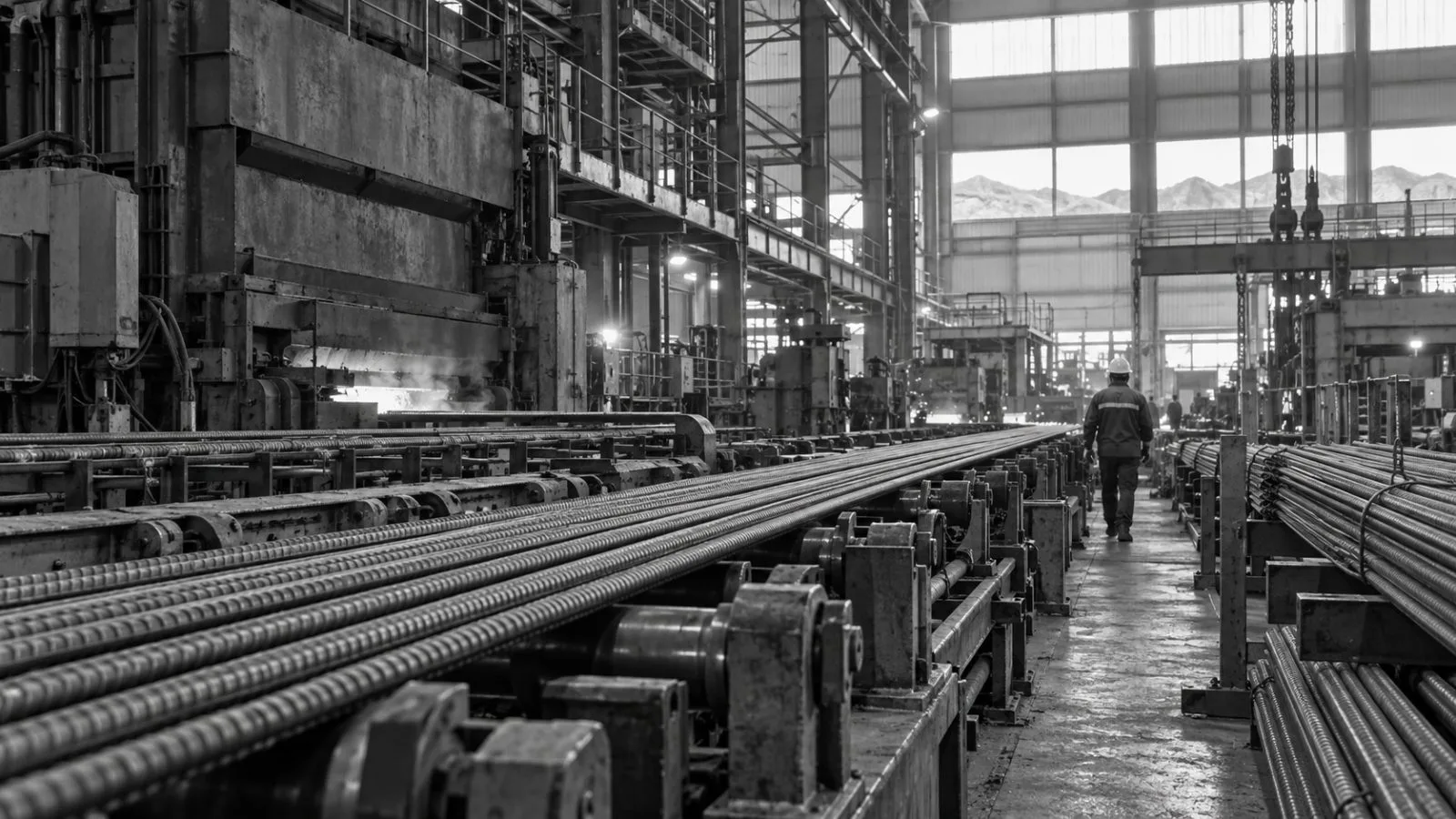
You're in your work boots almost all day, every day, so it's a given that you want them to be as comfortable as possible. The last thing you want is to come in from a long day at work to sore and blistered feet, only to have to do it all over again the next day. We've put together this list of tips to help you find the most comfortable work boots.
Make sure they fit.
Possibly the most important item on this list is to make sure that your boots fit correctly. This means spending the extra time and getting the help you need to make sure that this is the case. If you pick a pair of boots that are too narrow, for example, they will be tight on your feet and could lead to damage over the long term. If you pick a pair of boots that are too wide, then they will rub and cause discomfort and blistering. A big part of getting your boots to fit properly is the socks that you wear with them. Cotton is generally too thick and will quickly absorb any moisture, causing rubbing and discomfort. Instead, choose a sock that's a combination of wool and synthetic materials that are designed for walking long distances.
When you're trying your boots, try several different pairs in the same size as they won't all be the same. To test if the length of your boot is correct, try bending your legs and see if you can insert a finger in the back. You should be able to do this with one finger, but no more. Lace up boots tightly, but not overly, to make sure they keep their position on your feet, and then test the bend on the sole. If they bend at the arch of your foot, try to find a pair with more support.
Choose a cushioned sole.
If you're going to be walking a lot in your work boots, then you're going to want some added cushion to maximize your comfort. A sole with added padding is like adding suspension to a car, and many brands including Timberland, Keen, and Wolverine have boots with the correct support.
Make sure your arch has support.
The arches of your foot take the majority of the punishment when you're walking, and are most prone to damage from a poor boot. By getting a boot with proper arch support, you're reducing how much impact is being taken by it. This spreads out the direct impact from a sole with no support over your whole foot, which will lessen the chance that you get injured on your arches from overuse.
Additional features
Once you have the size, sole, and arch support sorted, it's time to think about any extra features. This may include a high-top boot that provides you with additional ankle support, water resistance if you're regularly walking through water or other liquids, steel toe caps for anyone with a risk of dropping heavy goods around your feet, and added insulation for unusually cold nights.
This article does not necessarily reflect the opinions of the editors or management of EconoTimes.