


 Australia Tightens Student Visa Rules, Targets Migration Cut by 2028
  Brazil Warns EU of Retaliation Over Animal Products Ban
  US Delegation Visits Myanmar, Secures Release of American Adam Castillo
  US Bans Canadian Alcohol, Motorcycles as Trade War Escalates
  UN Allows Mahmoud Abbas Video Address After US Visa Denial
  Synthetic data could ease people’s concerns about privacy breaches. But who gets to create it?
  FDA Names Permanent Drug and Biologics Center Chiefs
  Najib Razak Granted House Arrest Until 2028
  Paris Talks Focus on Lebanon Army Needs as UNIFIL Exit Looms
  ICE Agent Arrested in Minneapolis Over Venezuelan Man Shooting
  Who should own the knowledge that underpins AI technology?
  FBI, Coast Guard Board Ships After Cyberattacks
  DOJ Will Investigate AI-Related Crimes, Attorney General Blanche Says
  Saudi Arabia Shuts East-West Oil Pipeline After Drone Attack
  US Resumes Immigrant Visa Processing for Hungary, Poland
  Google Changes EU Spam Policy Amid Antitrust Scrutiny


 Add as a preferred source on Google
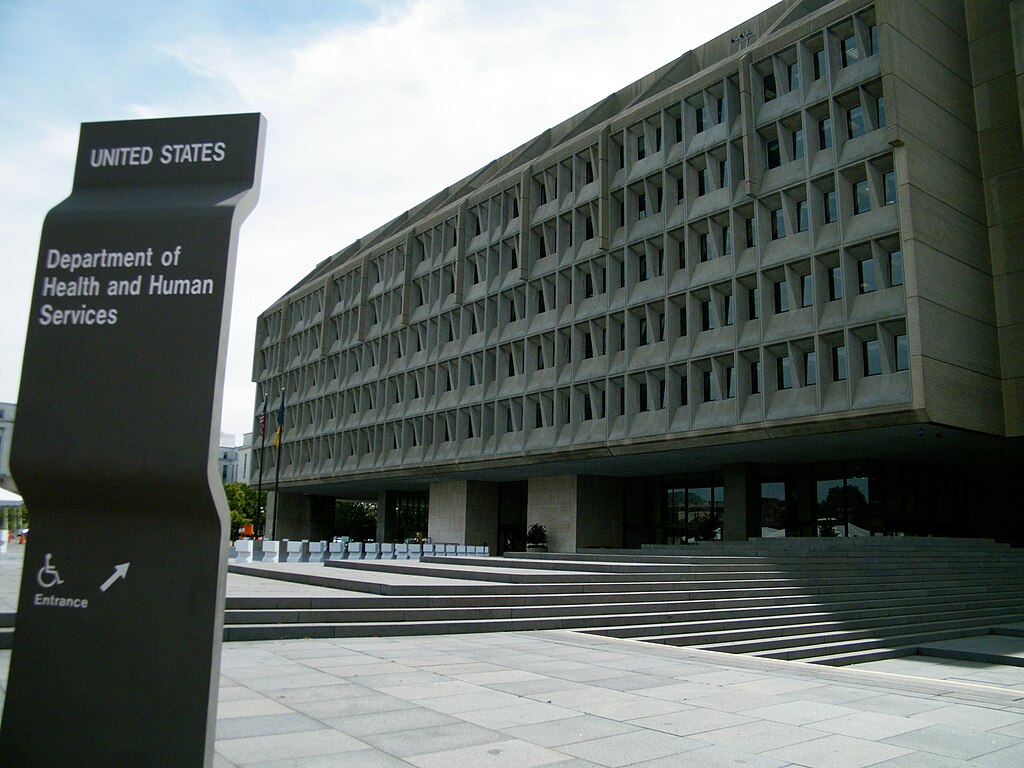
The Trump administration is reportedly planning to slash approximately $40 billion from the U.S. Department of Health and Human Services (HHS), according to a preliminary budget document obtained by The Washington Post. This potential reduction would eliminate about one-third of the department’s discretionary funding, significantly impacting healthcare initiatives and services.
Sources familiar with the document indicate that the proposed budget cuts are part of a broader effort to shrink federal spending and shift funding priorities. The HHS, which oversees key agencies such as the Centers for Disease Control and Prevention (CDC), the Food and Drug Administration (FDA), and the National Institutes of Health (NIH), may see substantial impacts on research, public health programs, and healthcare assistance services.
Critics argue that such a large-scale reduction could jeopardize critical public health infrastructure, especially in areas like disease prevention, medical research, and low-income health support programs. Supporters of the proposed cuts, however, say the plan reflects a necessary reallocation of resources toward national defense and border security, aligning with President Donald Trump's broader fiscal strategy.
While the final budget is still subject to negotiations in Congress, the early proposal has already sparked significant debate among lawmakers and healthcare advocates. If enacted, the $40 billion cut would represent one of the largest reductions in HHS funding in recent history, potentially reshaping the agency's ability to serve public health needs across the country.
The White House has not officially commented on the leaked document. However, analysts expect further details to emerge as the full 2025 federal budget proposal is finalized in the coming weeks. The development is likely to intensify discussions around healthcare funding ahead of the upcoming election cycle.







