President Donald Trump’s administration is preparing to set the U.S. refugee admissions ceiling at just 7,500 for the current fiscal year, marking the lowest cap in modern history. The move represents a sharp reduction from the 125,000 admissions allowed under former President Joe Biden in 2024 and reflects Trump’s hardline approach to immigration and humanitarian entry.
Since returning to office in January 2025, Trump has frozen refugee admissions and stated they would only resume if deemed in the U.S. national interest. In February, he issued an executive order prioritizing South African refugees of Dutch-descended Afrikaner ethnicity, citing claims of racial discrimination and violence against the white minority group. The South African government has rejected these allegations. By early September, at least 138 South Africans had arrived in the U.S. under this policy, Reuters reported.
The new refugee ceiling, if finalized, underscores Trump’s continued restrictionist stance. During his first term, Trump drastically cut refugee levels as part of his broader immigration crackdown. Officials had previously discussed annual admissions ranging from 40,000 to 60,000, but the planned cap is significantly lower, drawing strong criticism from human rights groups and refugee advocates.
John Slocum, executive director of Refugee Council USA, condemned the plan, warning it would endanger lives, tear families apart, and weaken U.S. national security and economic growth. Advocacy groups argue that America’s humanitarian obligations, established in the aftermath of World War II, are being undermined by Trump’s policies.
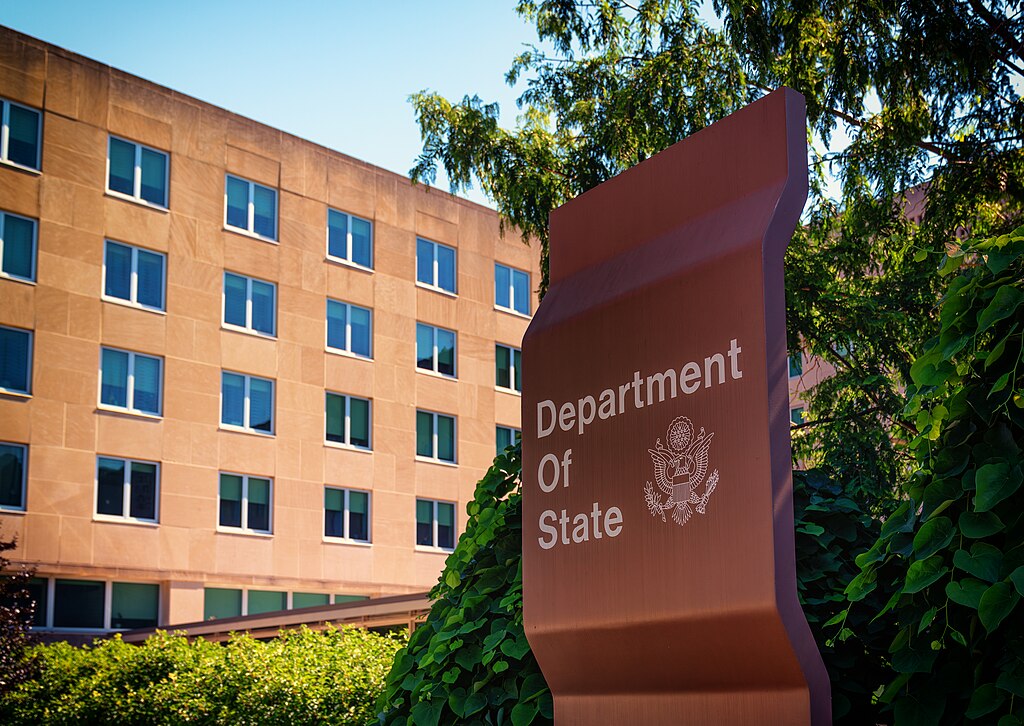
The New York Times first reported the administration’s plan, while the White House, State Department, and Department of Homeland Security have not issued official comments. At the recent United Nations General Assembly, Trump officials also called on other nations to join a global effort to restrict asylum protections, signaling a broader push to reshape international refugee norms.