


 Trump Administration Removes Confederate Memorial Criticism From Arlington Website
  Flavio Bolsonaro Rallies Brazil Opposition Ahead of Election
  Iran Threatens Gulf Energy Assets as U.S. Tensions Escalate
  SEC Seeks ISS Client Voting Records in Proxy Adviser Probe
  Trump Targets 1,000 U.S. Space Launches Annually by 2030
  FDA Names Permanent Drug and Biologics Center Chiefs
  Iran Plans New Gulf Restricted Zone as Hormuz Tensions Push Oil Higher
  US Stock Futures Mixed as Strong Jobs Data Boosts Fed Rate Hike Bets
  Iran Says It Captured US Underwater Drone Near Strait of Hormuz
  Oil Prices Climb as Iran Threatens Gulf Energy Infrastructure
  European Stocks Flat as Iran Tensions, ECB Rate Hike Loom
  Trump Orders Reduction in U.S.-South Korea Military Drills, Citing Kim Jong Un Ties
  US Stock Futures Mixed as Fed Rate Hike Bets Rise
  Trump Administration Moves to Strip ABA of Law School Accreditor Status
  US Bans Canadian Alcohol, Motorcycles as Trade War Escalates
  UK House Prices Fall for First Time Since 2023
  US Forces Destroy Five Iranian Oil Tankers After Missile Attacks


 Add as a preferred source on Google
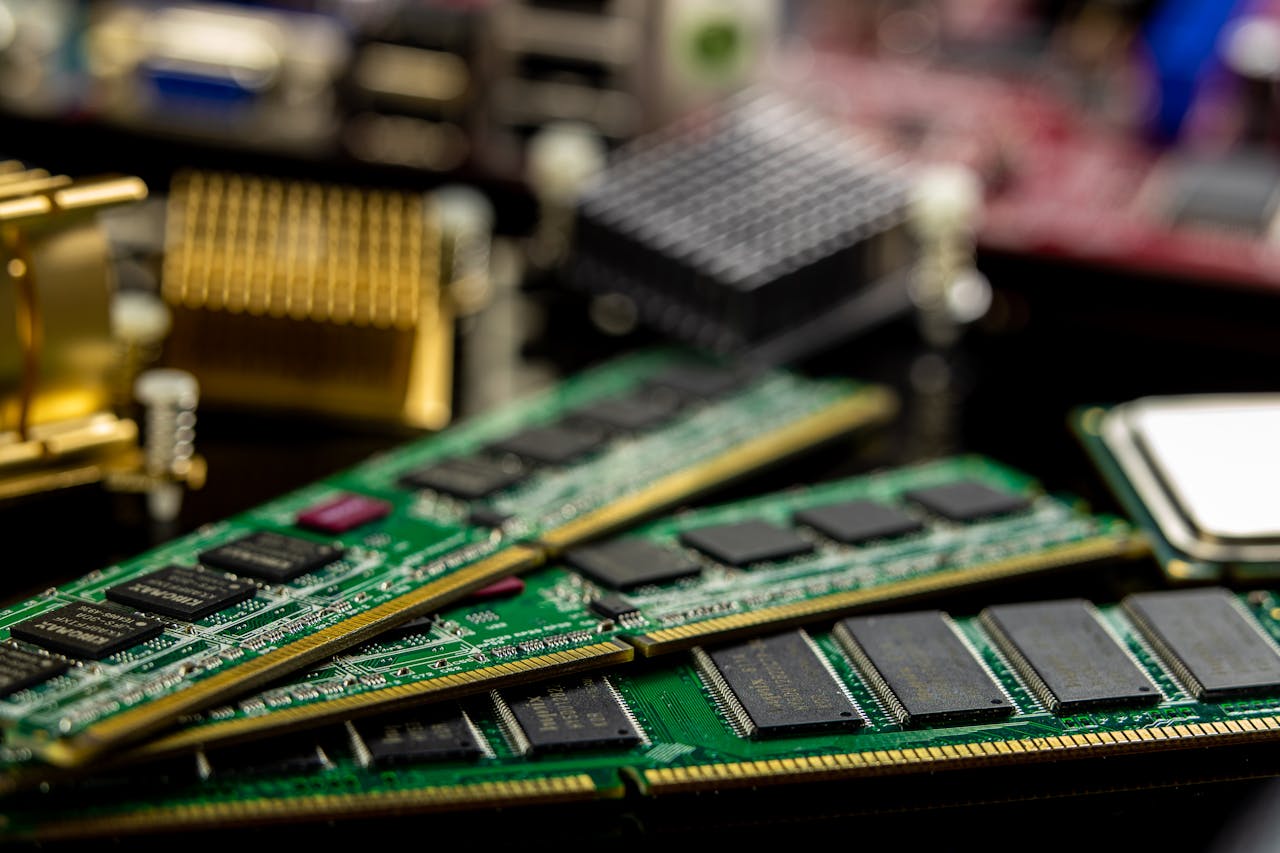
The Trump administration will reveal findings from a national security investigation into semiconductor imports within two weeks, Commerce Secretary Howard Lutnick said Sunday. The probe, conducted under Section 232 of the Trade Expansion Act of 1962, could pave the way for new tariffs on semiconductors and pharmaceuticals amid rising U.S.-EU trade tensions.
President Donald Trump made the announcement after meeting with European Commission President Ursula von der Leyen, unveiling a new trade framework imposing 15% tariffs on European Union imports, including autos. A separate 25% tariff will target the automotive sector specifically. Trump emphasized that several companies, including those from Taiwan, are planning semiconductor manufacturing investments in the United States to bypass future levies.
The investigation highlights Washington’s concern over heavy reliance on foreign semiconductor supplies, particularly from Taiwan. Trump signaled that von der Leyen negotiated “in a much better way” to avoid harsher chip tariffs.
This probe follows multiple trade actions since Trump’s return to the White House in January, including 25% tariffs on steel, aluminum, and autos, as well as ongoing investigations into copper and lumber imports. Earlier this year, the administration also imposed a 10% tariff on major trading partners, set to rise further on August 1.
The U.S. semiconductor sector remains central to global supply chains, with previous efforts under former President Joe Biden, such as the Chips Act, aimed at reshoring production through multi-billion-dollar subsidies. Trump’s latest moves signal a continued push for domestic chip manufacturing as part of a broader strategy to reduce foreign dependence and address national security risks.
This upcoming decision is expected to have significant implications for global trade, technology supply chains, and U.S.-EU economic relations.







