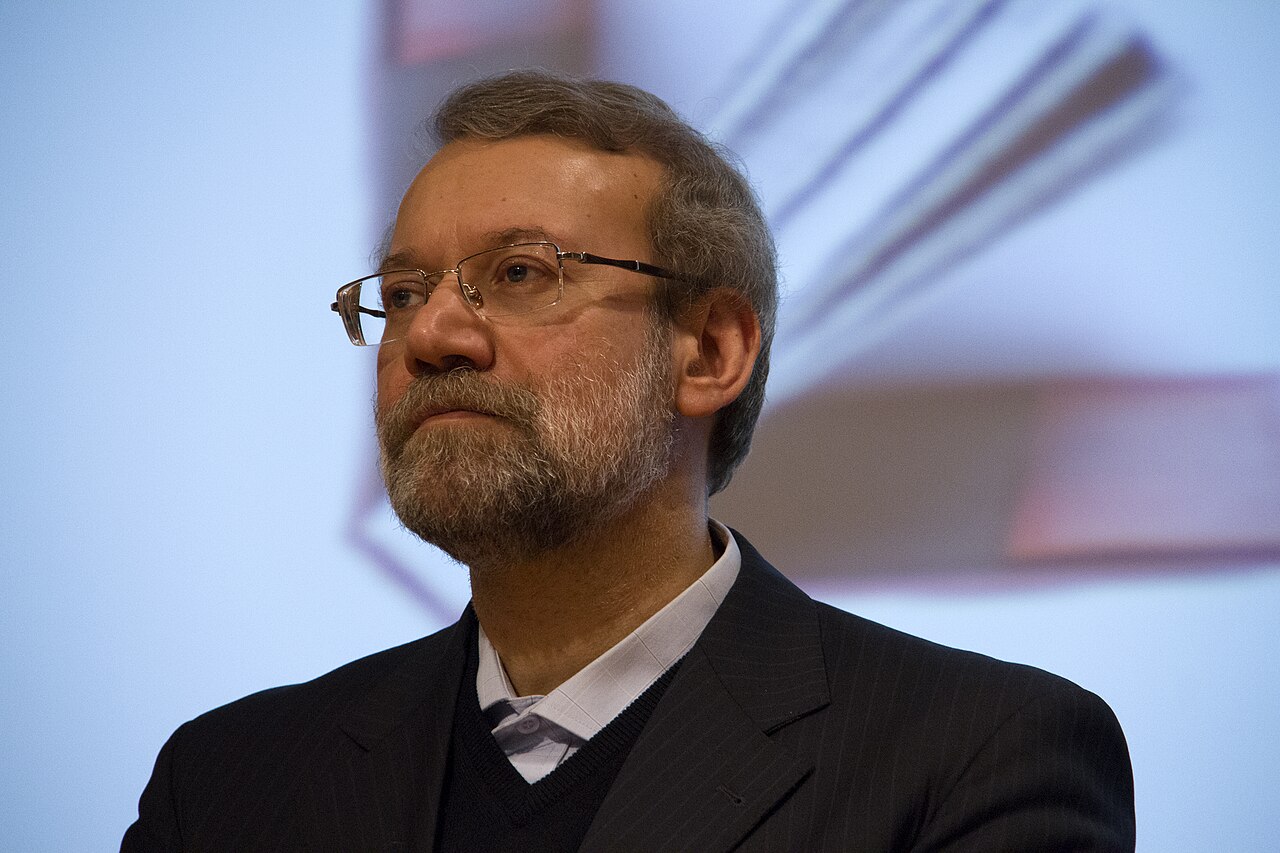
Veteran Iranian politician Ali Larijani, one of the Islamic Republic's most influential figures and a longtime confidant of Supreme Leader Ayatollah Ali Khamenei, was killed in a U.S.-Israeli airstrike in the eastern outskirts of Tehran. The 67-year-old was visiting his daughter at the time of the attack, according to Iran's semi-official Fars news agency. Israeli Defense Minister Israel Katz confirmed the strike on Tuesday.
Larijani came from a prominent clerical family and built a sweeping career across Iran's military, political, and diplomatic institutions following the 1979 Islamic Revolution. He served as a Revolutionary Guard commander during the Iran-Iraq War, led the state broadcaster IRIB, and spent 12 years as parliamentary speaker. His most consequential role, however, was as Iran's chief nuclear negotiator from 2005 to 2007, where he staunchly defended Tehran's uranium enrichment program against mounting international pressure.
Known as a pragmatist within a hardline system, Larijani occasionally favored diplomatic engagement over confrontation. He played a key role in brokering Iran's 25-year cooperation deal with China and maintained close ties with Russia, meeting President Vladimir Putin on multiple occasions. Yet his reputation was tarnished by his alleged involvement in directing the violent crackdown on mass protests earlier this year, which rights groups say claimed thousands of lives. The U.S. Treasury sanctioned him in January for his role in the repression.
His death comes weeks after Khamenei was killed in an earlier airstrike, marking a dramatic and rapid dismantling of Iran's inner circle. Larijani had spent decades helping construct Iran's nuclear strategy — a policy ultimately undone by the very military conflict he had long worked to prevent. His passing signals a profound and potentially irreversible shift in Iran's political landscape.