Tensions in the Middle East reached a new flashpoint this week as U.S. President Donald Trump publicly claimed that a senior Iranian official requested a ceasefire, a statement Tehran swiftly and firmly rejected. The conflicting accounts have rattled global markets while raising questions about the war's trajectory.
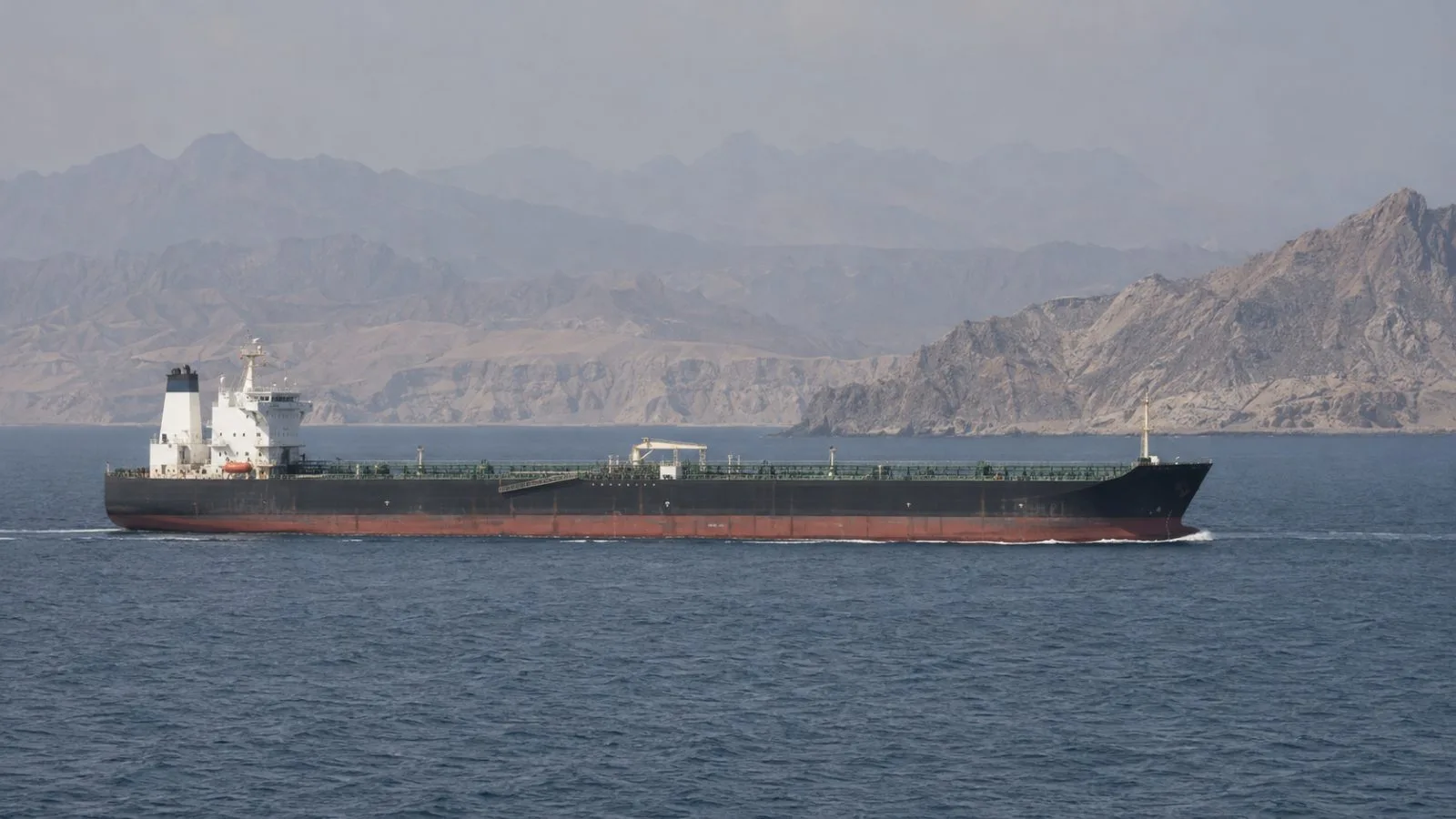
Trump announced on Truth Social that Iran's leadership had approached Washington seeking a halt to hostilities, but stated the U.S. would not entertain the offer until the Strait of Hormuz — a critical waterway responsible for transporting roughly one-fifth of the world's oil supply — is fully reopened. The strait has remained largely closed for weeks due to ongoing Iranian threats against passing vessels. Trump warned that military operations would continue aggressively until the passage is cleared.
Iranian officials immediately dismissed Trump's claims as fabricated, with state media and Al Jazeera reporting that no ceasefire request was made and no direct U.S.-Iran communications had occurred. An Iranian parliamentary leader suggested the strait would only reopen under new conditions set by Tehran, including potential tolls on passing ships.
Military strikes continued on both sides despite the diplomatic noise. U.S. and Israeli forces have targeted Iranian missile infrastructure and sites in Tehran, Beirut, and central Iran, while Iran has launched retaliatory strikes at Israel and Persian Gulf nations.
Adding another layer of geopolitical uncertainty, Trump revealed he is weighing a U.S. withdrawal from NATO after the alliance declined to participate in the Iran offensive. Secretary of State Marco Rubio echoed similar frustrations, questioning whether the alliance still serves American interests.
Financial markets responded cautiously to ceasefire speculation. U.S. stock futures edged higher, while Brent crude slipped to around $102 per barrel — still significantly above pre-war levels near $70. Analysts caution that even a ceasefire may not immediately reverse the economic damage caused by prolonged Strait of Hormuz disruptions.