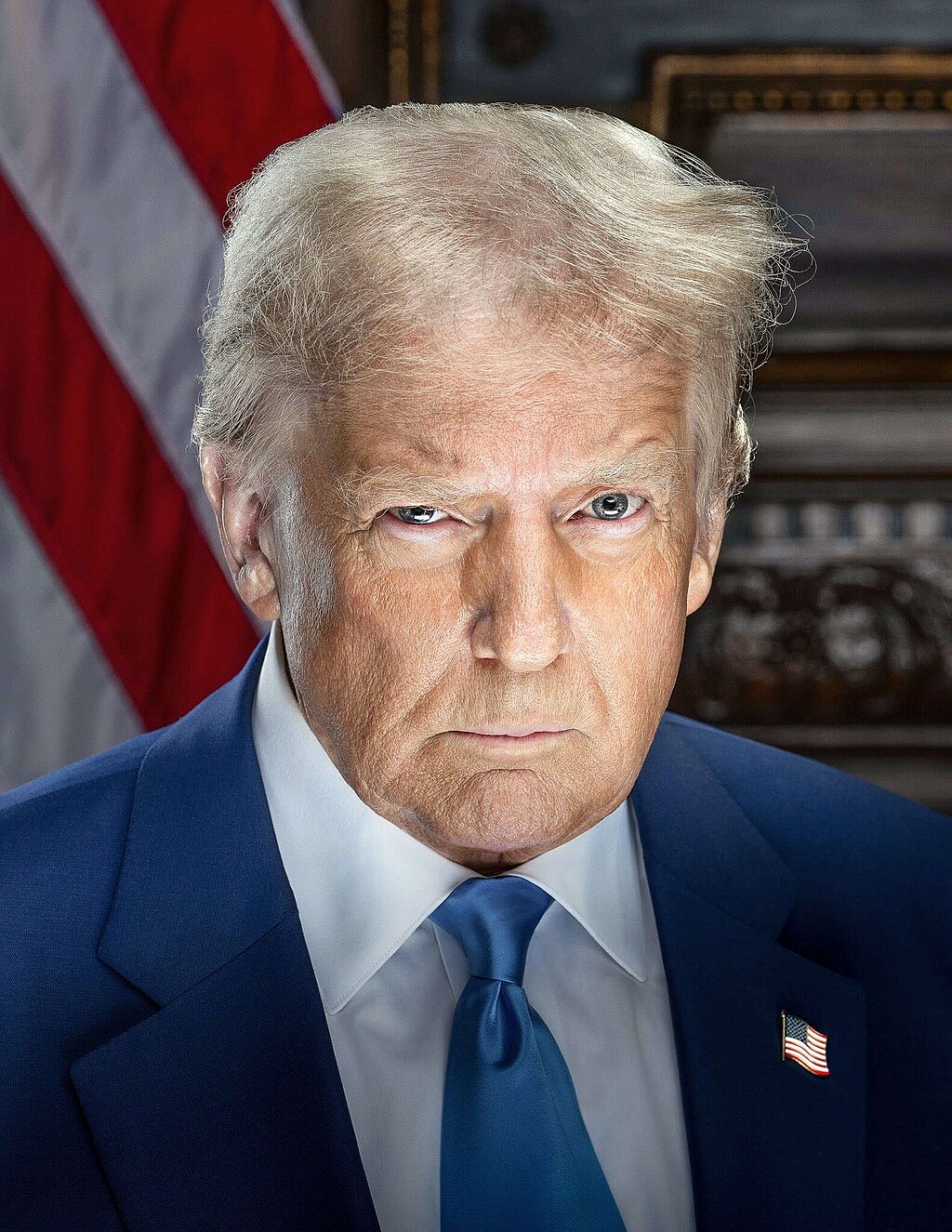
U.S. President Donald Trump announced on Sunday a series of actions against Colombia after its government rejected two U.S. military flights carrying deported migrants. In response, Trump ordered "emergency 25% tariffs on all goods coming into the United States," with plans to raise them to 50% within a week.
Trump stated on Truth Social that these measures were necessary due to Colombian President Gustavo Petro's refusal to accept deported migrants, which he claims endangers U.S. national security. Additional actions include visa restrictions and other retaliatory measures. Trump described these steps as "just the beginning" and accused Colombia of violating legal obligations concerning migrant returns.
Petro defended his decision, citing concerns about the treatment of deported migrants. He demanded the Trump administration implement protocols ensuring their dignified treatment before accepting any flights. Petro shared a video showing deported migrants restrained on a tarmac in Brazil to highlight his stance.
Trump’s announcement has escalated tensions, with significant economic implications due to the proposed tariffs on Colombian goods. The move marks a new chapter in the already strained U.S.-Colombia relations, as both nations grapple with diverging approaches to migration and human rights.
This unfolding dispute could impact trade, immigration policies, and diplomatic ties between the two countries.