


 Trump Signs Order to Cut Routine Childhood Vaccines
  US Oil Blockade Deepens Iran’s Economic Crisis
  Brazil Warns EU of Retaliation Over Animal Products Ban
  New Zealand Labour Backs Social Media Ban for Under-16s
  Trump Orders Reduction in U.S.-South Korea Military Drills, Citing Kim Jong Un Ties
  US Sailor’s Father Detained by Immigration Authorities
  SEC Proposes ‘Regulation Crypto Assets’ Framework for Crypto Fundraising
  Zelenskiy Orders Probe Into Kyiv SBU-HUR Shootout
  Countries Tighten Social Media Bans for Children
  Ed Markey Wins Massachusetts Democratic Senate Primary
  Two Palestinian Teenagers Killed in West Bank Violence
  Texas Republicans Turn Against AI Data Centers as Election Backlash Grows
  SEC Sues Former Tricolor Executives Over $1.9 Billion Investor Fraud Scheme
  Trump Imposes New US Tariffs on Drone Imports Over National Security Concerns
  Trump Names Adam Telle Acting U.S. Army Secretary
  Vietnam Leader To Lam Plans Russia, France, US and Canada Visits
  Haiti Urges UN to Extend Gang Suppression Force Ahead of December Election


 Add as a preferred source on Google
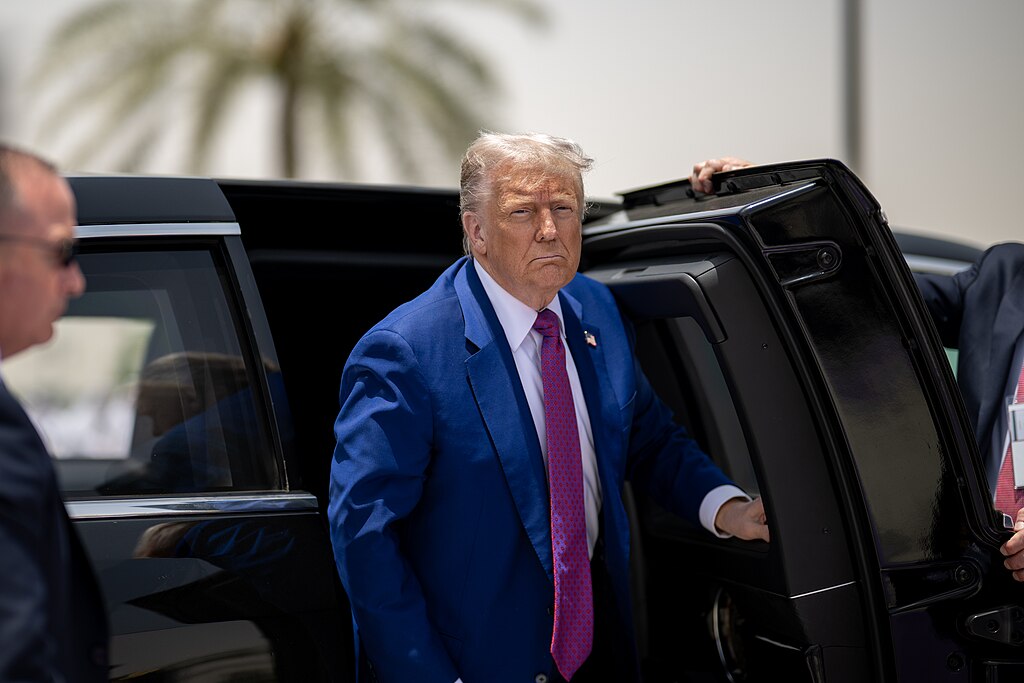
U.S. President Donald Trump has invoked the Defense Production Act (DPA) to accelerate domestic energy production, according to a White House announcement. The move comes as the administration seeks to counter rising fuel prices linked to escalating geopolitical tensions involving the United States, Israel, and Iran.
Through a series of energy-focused presidential memorandums, Trump outlined plans to strengthen key sectors, including coal supply chains, domestic oil production, natural gas transmission, and liquefied natural gas (LNG) capacity. Additional directives target improvements in grid infrastructure and broader energy systems, signaling a comprehensive approach to stabilizing the U.S. energy market.
The Defense Production Act, originally enacted during the Cold War, grants the federal government authority to prioritize and expand production of critical resources for national security. By leveraging this legislation, the administration aims to increase energy output and reduce dependence on volatile global markets.
White House spokeswoman Taylor Rogers stated that the new determinations enable the Department of Energy to utilize funding from the “One Big Beautiful Bill” to modernize the nation’s power grid and ensure a more reliable and affordable energy supply. The initiative is also expected to enhance energy security and resilience across the country.
Rising fuel prices have already had a widespread economic impact, driving up costs for essential goods and services such as transportation, housing, fertilizers, and food. By boosting domestic energy production and infrastructure, the administration hopes to ease inflationary pressures and support long-term economic stability.
This strategic use of the Defense Production Act highlights the growing importance of energy independence in U.S. policy. As global conflicts continue to influence oil and gas markets, strengthening domestic energy capabilities remains a key priority for maintaining economic balance and protecting consumers from price volatility.







