Iran is facing mounting economic strain as a U.S. campaign targeting its oil exports, financial networks and sanctions-evasion channels increasingly restricts Tehran’s access to foreign currency and essential imports, according to three senior Iranian sources.
Washington has intensified economic pressure in recent weeks, seeking concessions that six months of conflict have failed to produce. Iran has circumvented international sanctions for decades, but tighter U.S. secondary sanctions and an oil blockade are making traditional workarounds increasingly costly.
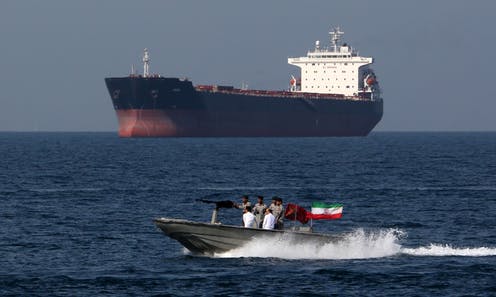
Iranian crude loadings have fallen to roughly 260,000 barrels per day this month from about 1.7 million barrels a day a year earlier, according to commodity analytics firm Kpler. The sharp decline has deprived Tehran of its primary source of revenue.
Economic conditions were already deteriorating before the conflict. Months of fighting have added reconstruction costs, while the Iranian rial has weakened from about 1 million per U.S. dollar a year ago to more than 2.2 million.
One senior source said Iran has only around two months of gasoline supplies remaining. Despite being a major oil producer, the country relies on fuel imports because of limited domestic refining capacity.
Iran’s trade channels have also narrowed. The United Arab Emirates, previously a key hub for Iranian commerce, announced on August 19 that commercial and financial dealings with Tehran would be suspended until further notice. President Masoud Pezeshkian has said Iran’s overall trade has dropped between 25% and 35%, with imports suffering the larger decline.
U.S. secondary sanctions are further discouraging intermediaries from handling Iranian transactions. Front companies, unregistered tankers and other sanctions-evasion mechanisms now require higher premiums, making them increasingly difficult for Tehran to finance.
Domestic pressures are intensifying alongside the external squeeze. Official data showed average 12-month inflation at 69.9%, while prices for food, beverages and tobacco increased at nearly twice that pace. Unemployment climbed to 9.1% in the spring, and employment fell by roughly 450,000 people from a year earlier.
Average monthly salaries stand at about $125, compared with estimated basic household expenses of roughly $450. The worsening cost-of-living crisis could increase political pressure on Iran’s leadership as Tehran weighs negotiations against further military escalation.