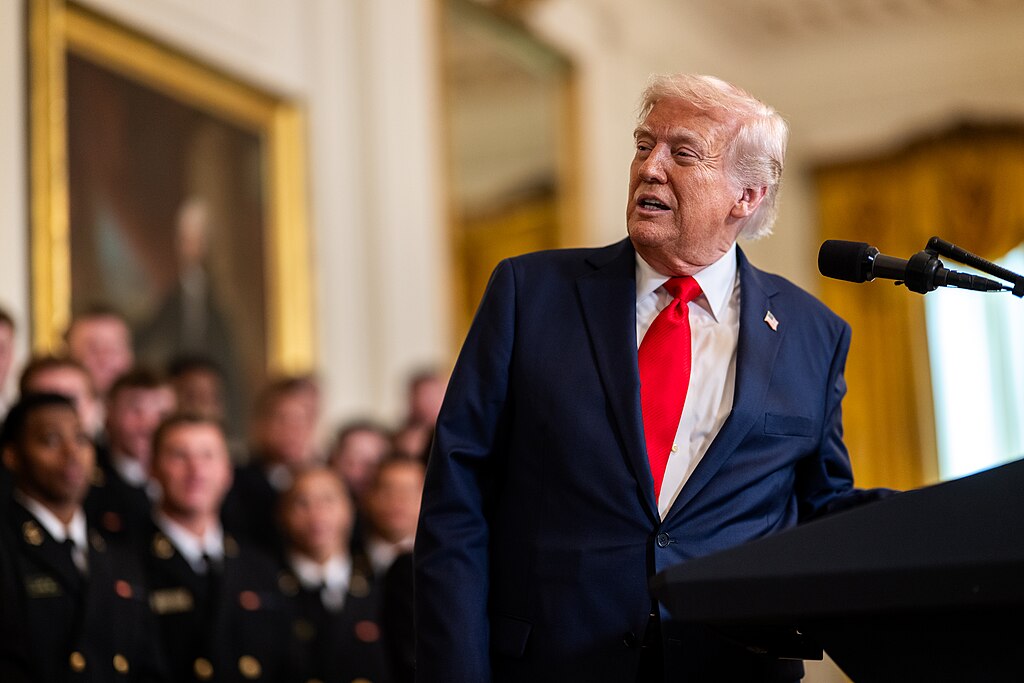
U.S. President Donald Trump has launched a new international body called the Board of Peace, initially aimed at stabilizing Gaza’s fragile ceasefire but envisioned to play a broader role in global conflict resolution. Speaking at the signing ceremony on Thursday, Trump said the board would operate in conjunction with the United Nations, while asserting that it could eventually “do pretty much whatever we want to do,” comments that have raised concerns among other global powers.
The Board of Peace was created as part of Trump’s Gaza peace plan and received endorsement through a United Nations Security Council resolution, though U.N. officials stressed their engagement would be limited strictly to that framework. Trump, who will chair the board, invited dozens of world leaders to join and proposed that permanent members contribute $1 billion each to fund its work. At the ceremony, there were no visible representatives from Israel, the Palestinian Authority, or major global powers.
Several regional Middle East countries, including Turkey, Egypt, Saudi Arabia, and Qatar, have joined, along with emerging nations such as Indonesia. However, traditional U.S. allies and other permanent members of the U.N. Security Council have been cautious. France declined to participate, Britain said it would not join for now, and China has yet to announce a position. Russia said it is studying the proposal, with President Vladimir Putin indicating Moscow could contribute funds from frozen U.S. assets to support Palestinians.
U.S. Secretary of State Marco Rubio said the board’s immediate focus would be ensuring implementation of the Gaza ceasefire, but added it could serve as a model for peace efforts elsewhere. Board members include Rubio, U.S. negotiators Jared Kushner and Steve Witkoff, and former British Prime Minister Tony Blair.
Kushner said the next phase of the ceasefire would prioritize humanitarian aid, reconstruction funding, and the disarmament of Hamas, which he described as a critical obstacle. Meanwhile, Palestinian officials announced that the Rafah border crossing with Egypt is expected to reopen next week, offering a sign of limited progress as the ceasefire continues to face repeated violations and mutual accusations from Israel and Hamas.