


 New Zealand Labour Backs Social Media Ban for Under-16s
  Iran Threatens US With ‘Economic Warfare’ as Gulf Tensions Rise
  SEC Proposes ‘Regulation Crypto Assets’ Framework for Crypto Fundraising
  Trump Administration Pauses Visa Appointments Worldwide
  Iran Plans New Gulf Restricted Zone as Hormuz Tensions Push Oil Higher
  U.S. Accuses Chinese AI Firms of Extracting Model Capabilities
  Iran Says It Captured US Underwater Drone Near Strait of Hormuz
  New Zealand Moves to Ban Social Media for Children Under 16
  Guatemala Receives 2,300 Mexicans Deported From US
  Trump Targets 1,000 U.S. Space Launches Annually by 2030
  US Sailor’s Father Detained by Immigration Authorities
  Flavio Bolsonaro Rallies Brazil Opposition Ahead of Election
  Russia Seeks to Claw Back Soldier Bonuses After Crimes
  US Forces Destroy Five Iranian Oil Tankers After Missile Attacks
  US Bans Canadian Alcohol, Motorcycles as Trade War Escalates
  Australia Defends Social Media Algorithm Law Amid US Concerns


 Add as a preferred source on Google
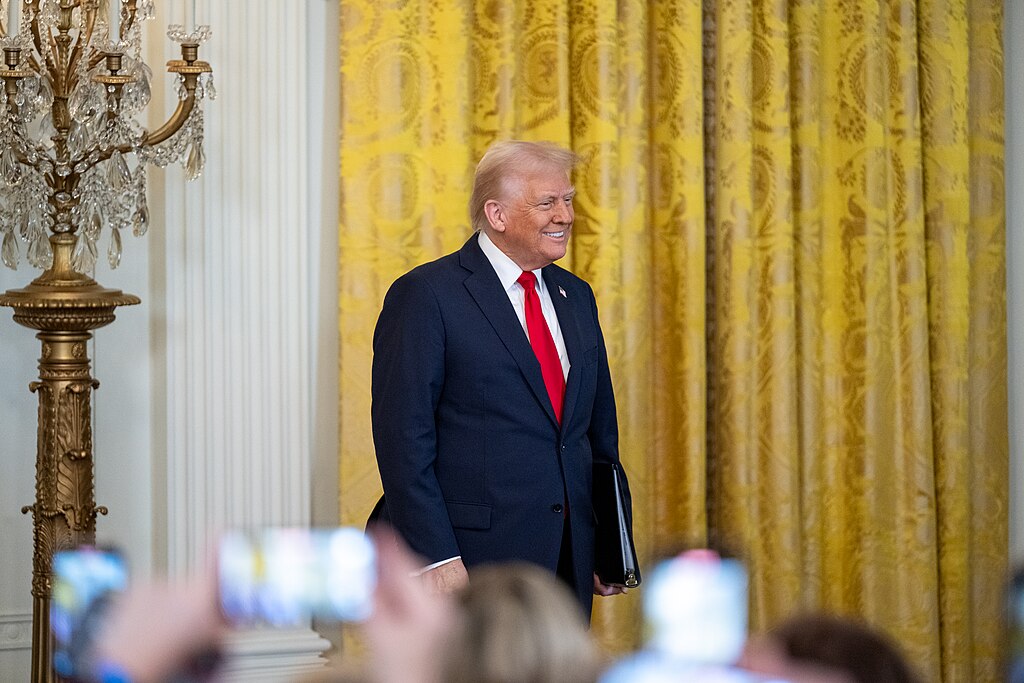
The Trump administration is proposing a sweeping overhaul of the U.S. International Development Finance Corporation (DFC), aiming to quadruple its funding capacity and expand its mandate to include high-income countries. According to a proposal reviewed by Reuters, the plan would raise DFC’s spending authority from $60 billion to $250 billion, allowing the agency to make larger loans, equity investments, and guarantees while aligning more closely with U.S. national security goals.
The DFC, created in 2019 to support development projects in poorer nations, has historically focused on energy, critical minerals, and infrastructure in developing regions. The new proposal would allow it to fund projects in wealthier countries with greater flexibility and fewer congressional approvals. It also calls for adding the U.S. Defense Secretary to the DFC’s board, reflecting the agency’s growing role in strategic initiatives, including access to critical minerals.
Acting DFC head Dev Jagadesan said the changes would strengthen the agency’s ability to advance U.S. foreign policy and economic objectives. The proposal comes amid a review of DFC’s governing rules and the pending confirmation of Ben Black, Trump’s nominee to lead the agency. Black, son of Apollo Global Management co-founder Leon Black, has advocated prioritizing resource development, including in Greenland, over what he termed “virtue-signaling” green projects.
The DFC has committed $12 billion to projects across food, health, and energy in fiscal year 2024 and currently manages $49 billion in outstanding investments. It is also central to a new U.S.-Ukraine Reconstruction Investment Fund, which targets strategic sectors such as mining and hydrocarbons as part of broader U.S. support for Ukraine.
This expansion, if approved, would mark a significant shift in U.S. development finance strategy, prioritizing geopolitical competition and resource security.







