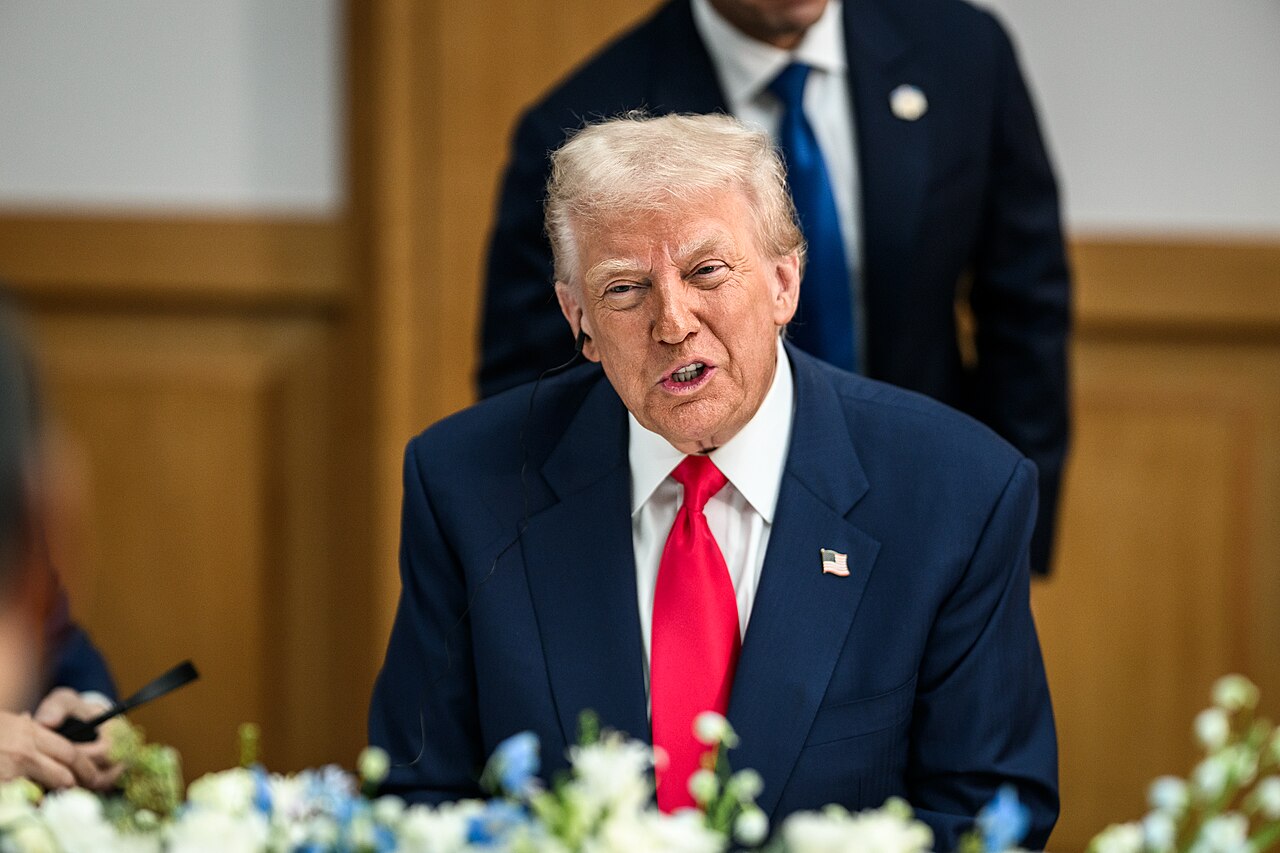
U.S. President Donald Trump has cast doubt on whether he will sign a bipartisan housing affordability bill, describing the legislation as "a big yawn" while urging Congress to prioritize separate election reforms instead.
Speaking at the Oval Office on Monday, Trump said he had not yet decided whether to approve the 21st Century ROAD to Housing Act, a bipartisan measure designed to address the U.S. housing shortage by accelerating environmental reviews, expanding grant programs, and easing regulations for prefabricated housing. Although he did not explicitly threaten a veto, his remarks signaled that the bill is not among his top legislative priorities.
Last week, Trump abruptly canceled a planned signing ceremony for the housing package to increase pressure on congressional Republicans to first pass the SAVE America Act. The proposed election bill would require proof of U.S. citizenship for voter registration and establish a national voter database using state registration records. Trump has continued to argue that stronger election safeguards are needed, despite longstanding disputes over his claims of widespread voter fraud.
Trump's comments underscore the White House's competing priorities as it seeks to advance both election reform and measures aimed at addressing affordability ahead of the November midterm elections. Rising living costs remain a key concern for voters, particularly after the four-month conflict involving Iran disrupted global energy markets. Iran's closure of the Strait of Hormuz, a critical shipping route for oil and gas, contributed to higher fuel costs and increased prices for industrial goods.
"I think it's so unimportant compared to the Save America Act," Trump said of the housing legislation. "To me, compared to the Save America Act, just about everything is a big yawn."
House Speaker Mike Johnson said Sunday that the legislation would be delivered to the White House on Monday. Under U.S. law, the president has 10 days, excluding Sundays, to sign or veto the bill. If no action is taken within that period, the legislation will automatically become law.
Economic concerns continue to weigh on the political landscape. The U.S. Consumer Price Index climbed 4.2% in May, its highest annual reading since April 2023, according to the Bureau of Labor Statistics, adding pressure on the administration as inflation remains a top issue for American households.
Trump's recent remarks on inflation have also drawn attention. He has previously dismissed affordability concerns, said he did not consider Americans' financial situation when making decisions related to the Iran conflict, and recently stated that he "love[s] the inflation" when asked about rising consumer prices.
The debate also highlights ongoing differences within the Republican Party. Trump has repeatedly urged Senate Republican Leader John Thune to eliminate the Senate's 60-vote filibuster threshold or replace the chamber's parliamentarian to speed up passage of key legislation. Thune has resisted those calls, and neither proposal currently has broad support among Senate Republicans, despite the party's majority in the chamber.