U.S. President Donald Trump announced a sharp increase in tariffs on South Korean autos and other goods, intensifying trade tensions with one of Washington’s closest allies. The move, revealed on Monday, raises tariffs from 15% to 25% and targets autos, lumber, pharmaceuticals, and other reciprocal goods. Trump blamed South Korea’s legislature for failing to enact a trade framework agreed in principle last year, a decision that officials in Seoul said came without prior notice.
Trump and South Korean President Lee Jae Myung had reached a preliminary agreement in July 2025 under which Seoul pledged $350 billion in U.S. investments in exchange for reduced tariffs on Korean exports. The deal was reaffirmed during Trump’s visit to South Korea in October. However, Trump argued that the lack of legislative follow-through justified reinstating higher tariffs, signaling growing impatience with the pace of implementation.
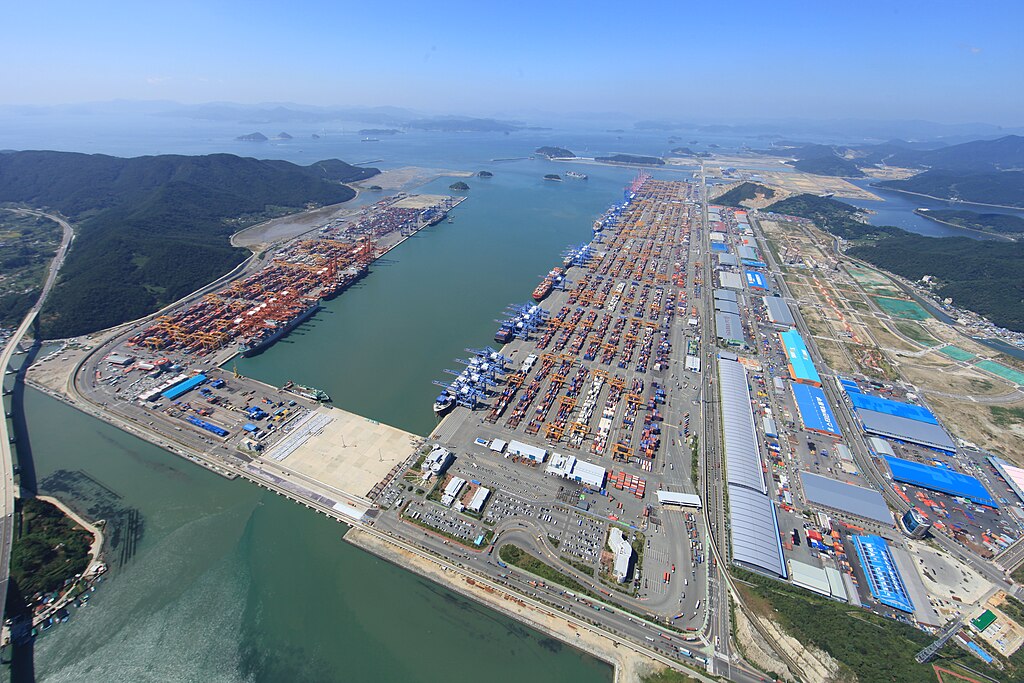
The tariff hike comes as South Korea grapples with economic and geopolitical pressures, including a weakening currency and concerns over financial stability. Market reaction was mixed, with South Korea’s KOSPI index initially falling before rebounding, while the won weakened against the U.S. dollar. Shares of Hyundai Motor and Kia, which are heavily exposed to the U.S. market, dropped sharply before partially recovering. The auto sector is particularly vulnerable, as vehicles account for roughly a quarter of South Korea’s exports to the United States.
Analysts say Trump’s decision may also be linked to ongoing disputes over South Korean regulations affecting U.S. technology firms, including actions against Coupang, a U.S.-listed e-commerce company. Former trade negotiators in Seoul described the move as a pressure tactic aimed at extracting concessions on non-tariff barriers during ongoing talks.
Under the original agreement, South Korea planned phased investments capped at $20 billion per year to protect currency stability, but officials have acknowledged delays due to the weak won and uncertainty surrounding a pending U.S. Supreme Court ruling on Trump’s tariff authority. As global trade volatility persists during Trump’s second term, the latest tariff escalation underscores continued uncertainty for exporters, investors, and financial markets heading into 2026.