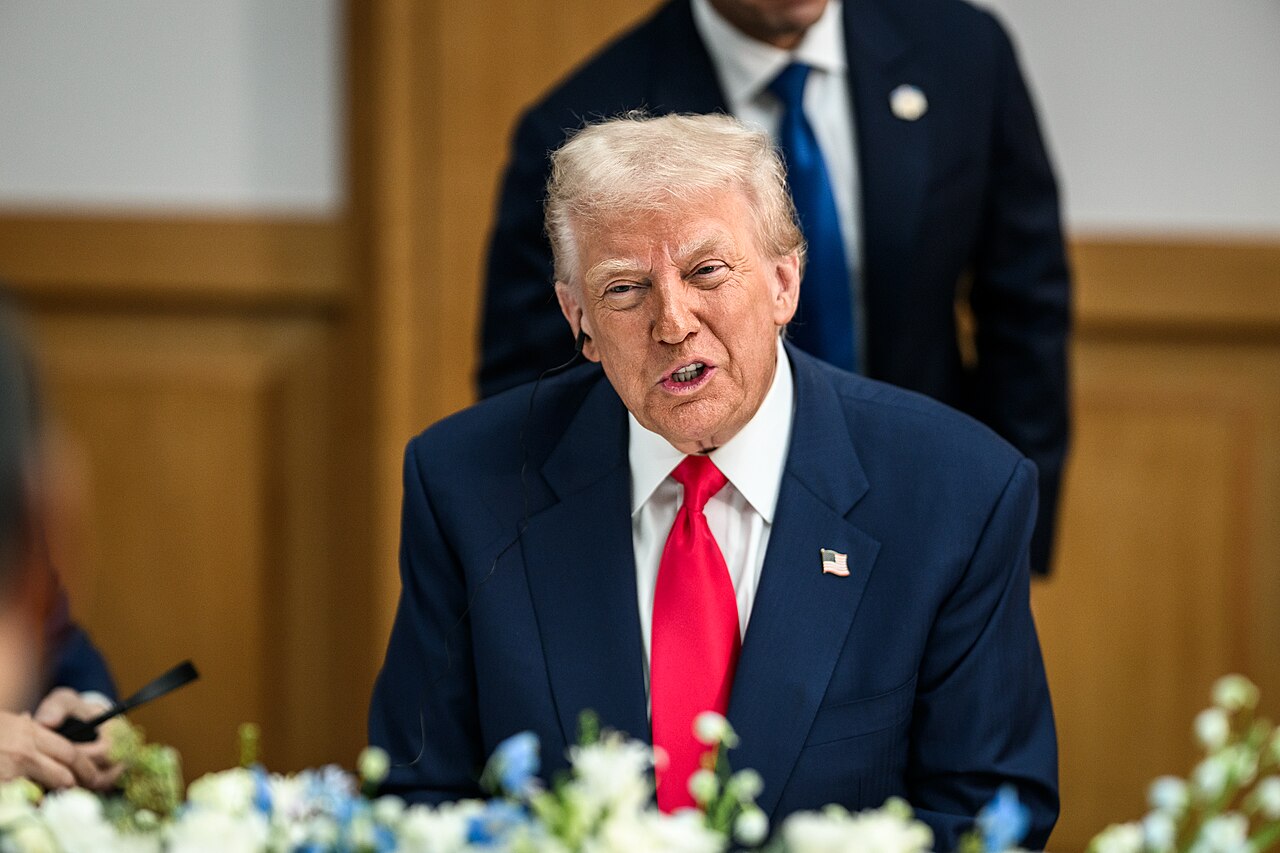
President Donald Trump announced new drug pricing agreements with nine pharmaceutical companies on Monday, expanding his administration’s campaign to lower prescription drug costs for Americans.
The agreements involve Astellas, BeOne Medicines, CSL, BridgeBIO, Sun Pharmaceutical, Teva and UCB SA, among other participating drugmakers. Under the deals, the companies will provide medicines to state Medicaid programs at most-favored-nation prices, tying costs more closely to lower prices available in other developed countries.
Speaking during an Oval Office event alongside pharmaceutical executives, Trump said the agreements would deliver significant discounts and help reduce healthcare expenses for patients across the United States.
Prescription drug prices in the U.S. remain among the highest in the developed world. Americans can pay nearly three times as much for certain medicines as patients in other wealthy countries. The Trump administration has increasingly pressured pharmaceutical companies to narrow that gap by adopting international reference pricing.
The latest agreements build on deals reached with 17 major pharmaceutical companies beginning last year. Pfizer, Eli Lilly and Amgen were among the companies that previously agreed to lower prices on selected medicines for federal healthcare programs.
Some participating drugmakers also committed to selling certain prescription medicines directly to American patients through a Trump-branded website. In return, companies received tariff relief as part of the administration’s broader effort to negotiate lower drug prices.
At the center of Trump’s strategy is the most-favored-nation drug pricing model. The policy seeks to ensure that U.S. government healthcare programs do not pay substantially more for medicines than comparable developed countries.
The latest pharmaceutical agreements signal that lowering prescription drug costs remains a major healthcare priority for the Trump administration. If implemented broadly, the pricing model could increase pressure on drugmakers to reduce U.S. prices while potentially reshaping how medicines are priced across international markets.