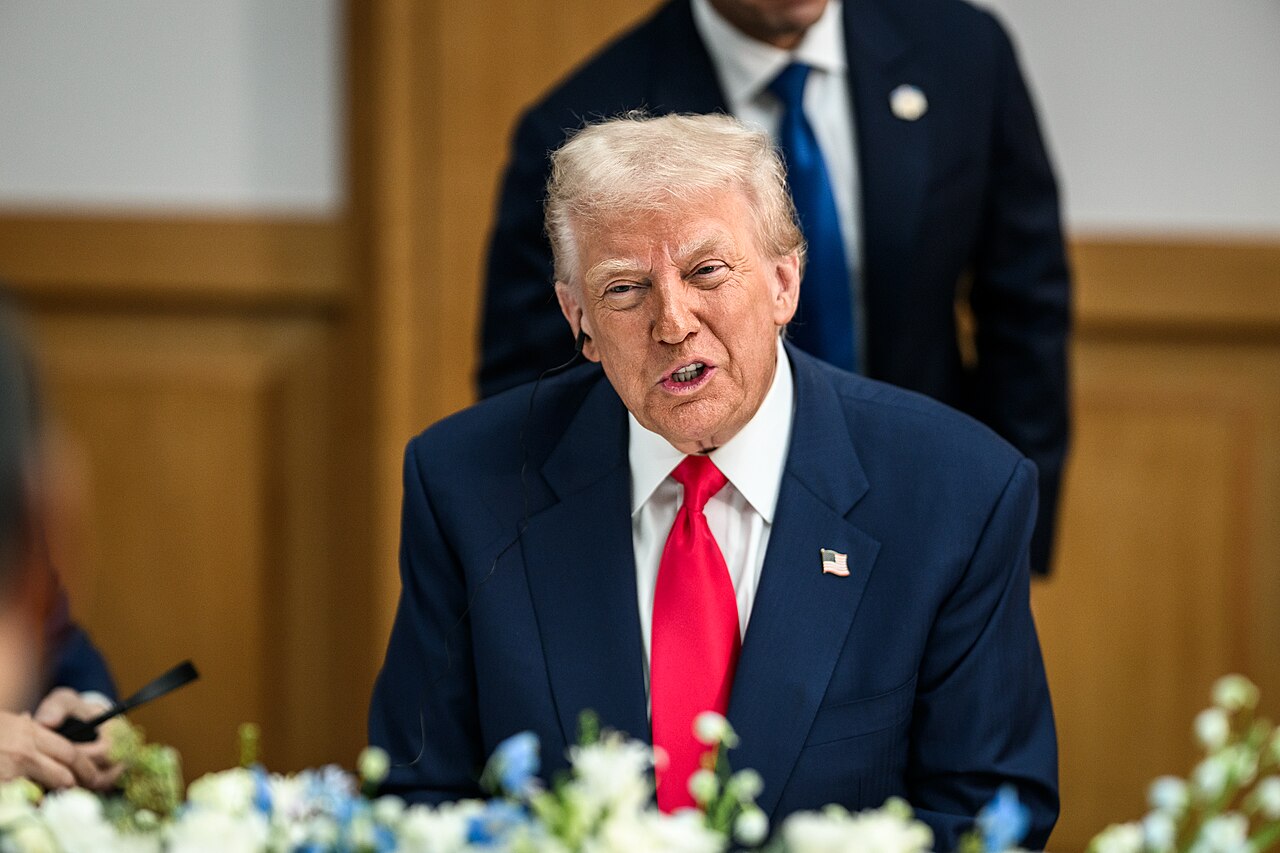
President Donald Trump said the United States is prepared to intensify military operations against Iran but stressed that diplomacy remains an option as the conflict continues to escalate across the Middle East.
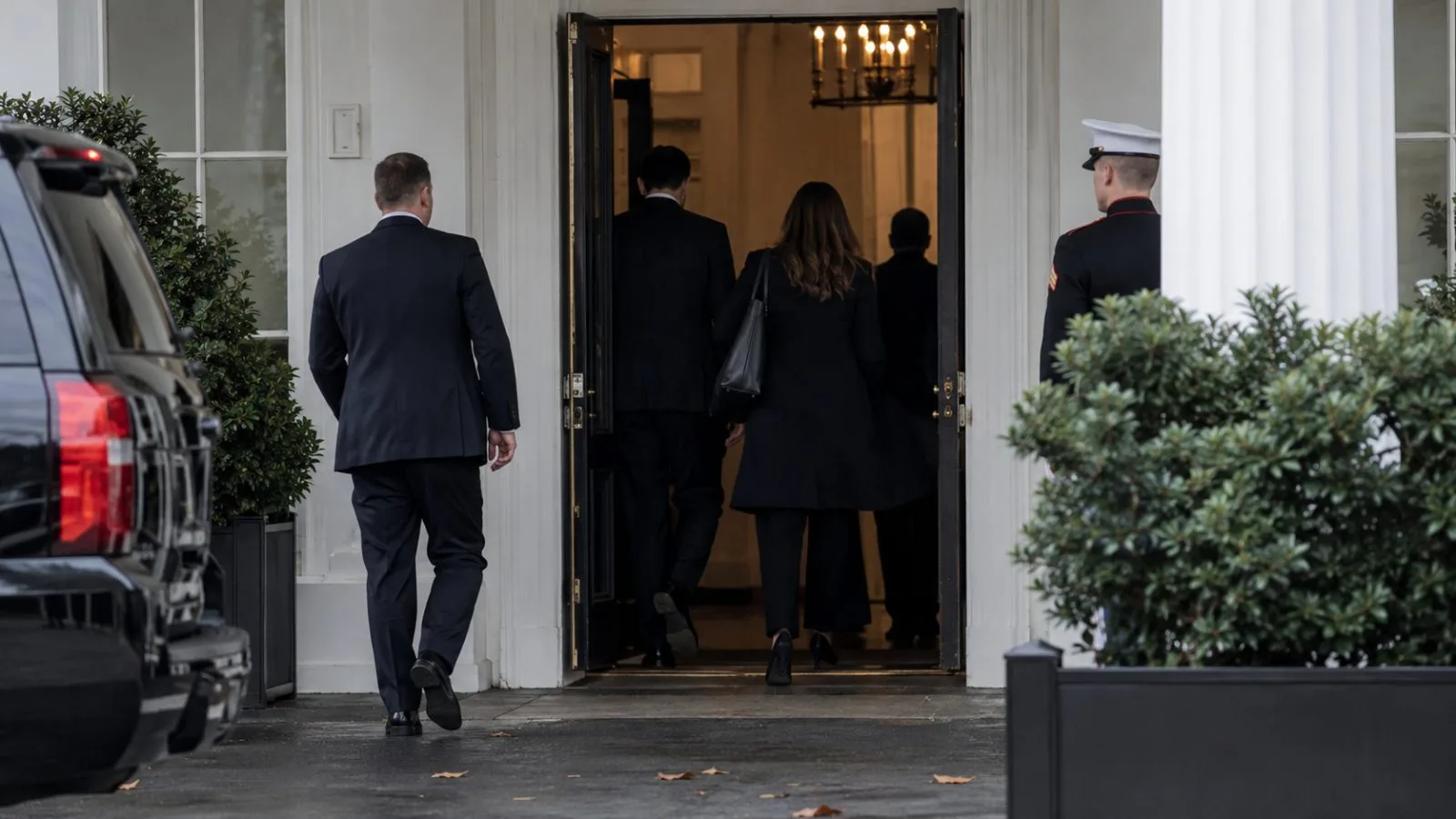
Speaking at the White House on Friday, Trump said Iran appeared more serious about negotiations than before, but warned the U.S. military was "locked and loaded" if talks failed. He outlined two possible paths: continuing military operations with greater force or reaching a negotiated agreement.
The comments came after U.S. forces carried out a 13th consecutive night of strikes on Iranian targets. Iranian officials said U.S. missiles hit military facilities in Gilan province, Bandar Anzali, and Ahvaz, where state media reported four people were killed and five injured.
In response, Iran launched missiles toward U.S. military installations in Kuwait, Bahrain, Jordan, Iraq, and other neighboring countries hosting American forces. Iran's Revolutionary Guards also warned Gulf residents that civilian buildings used by U.S. personnel could become potential targets.
Trump has recently suggested expanding U.S. operations to include Iranian energy infrastructure, bridges, and strategic facilities such as the underground Pickaxe Mountain nuclear-linked site, while also raising the possibility of seizing Iran's Kharg Island oil export hub.
The regional conflict has also spread to Yemen, where Iran-backed Houthi forces claimed attacks on Saudi oil tankers in the Red Sea and announced a naval blockade targeting Saudi Arabia. The Saudi-led coalition responded with airstrikes on Houthi military positions in Hodeidah, while Houthi media reported additional strikes on telecommunications facilities and Kamaran Island.
The attacks have disrupted global energy markets and shipping routes. Oil prices briefly surged above $100 per barrel after the tanker attacks before Brent crude later retreated below $97. Shipping insurers also sharply increased premiums for vessels transiting the southern Red Sea as more tankers rerouted around Africa to avoid conflict zones.
Meanwhile, diplomatic efforts continue behind the scenes. Pakistani officials are reportedly exploring ways to revive U.S.-Iran negotiations following discussions involving Iranian Interior Minister Eskandar Momeni and an initiative backed by China.
The U.S. Embassy in Baghdad has urged American citizens across the Middle East to remain on heightened alert as regional tensions continue to rise.