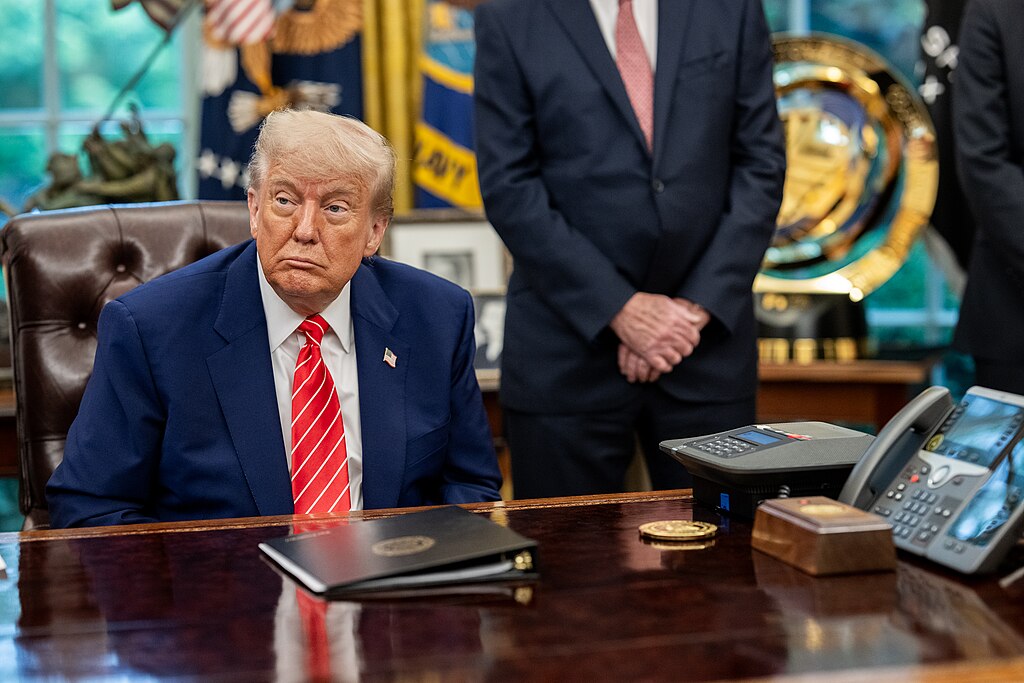
President Donald Trump hinted on Sunday that the United States may be close to reaching an agreement with Cuba, suggesting that significant developments in their long-troubled bilateral relationship could unfold in the near term. Speaking to reporters aboard Air Force One, Trump stated that Cuba is eager to negotiate and that the U.S. would address Iran first before turning its full attention to Havana.
Trump's remarks come against a backdrop of longstanding tensions between Washington and Havana, marked by decades of sanctions, diplomatic disputes, and disagreements over migration and national security policies. Regional allies and foreign investors are watching the situation closely, anticipating any meaningful shift in U.S. foreign policy toward the Caribbean nation.
Cuban President Miguel Díaz-Canel confirmed on Friday that his government had entered into talks with the United States, acknowledging that the dialogue was aimed at resolving deep-seated bilateral differences through peaceful negotiation. In a statement broadcast on state television, Díaz-Canel expressed hope that the discussions would steer both nations away from continued confrontation and toward a more stable relationship.
Cuba is currently grappling with one of its worst economic crises in recent memory. Severe disruptions in oil imports have crippled the country's power infrastructure and transportation systems, forcing authorities to implement widespread electricity blackouts and curtail essential public services.
Trump had previously made several provocative remarks about Cuba in recent weeks, at one point suggesting the island could be subject to a "friendly takeover" — a statement he later walked back with some ambiguity. Despite the renewed diplomatic contact, substantial gaps remain between the two governments. U.S. officials have indicated that any relaxation of pressure would require political and economic concessions from Havana, while Cuban leaders maintain that sovereignty must remain non-negotiable in any future agreement.