
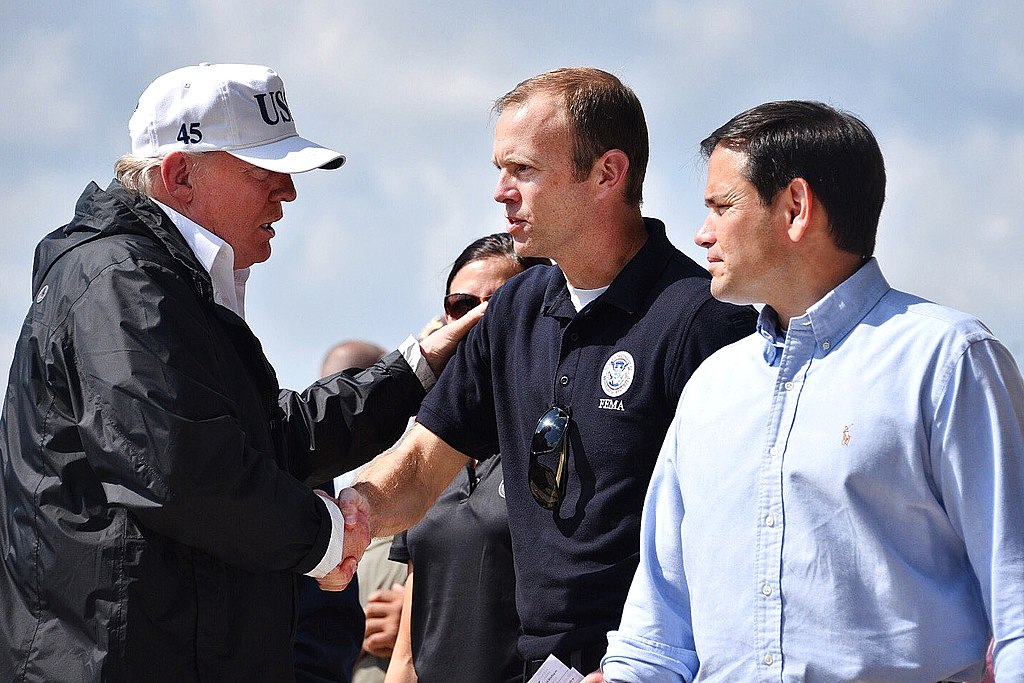
Senator Marco Rubio, President-elect Donald Trump's pick for Secretary of State, emphasized a robust foreign policy to counter growing reliance on China. In a Senate hearing, Rubio highlighted the need to boost U.S. industrial capacity, warning against dependence on China for essentials, including medicine and entertainment. He vowed to strengthen Taiwan’s defense with a "porcupine strategy" to deter Chinese aggression and called for decisive changes to avoid potential military conflict in the Indo-Pacific.
Rubio, 53, known for his firm stance on China, faced sanctions from Beijing in 2020 due to his support for Hong Kong democracy. His nomination is expected to be confirmed by the Senate on January 20, coinciding with Trump’s second-term inauguration.
Addressing the Ukraine war, Rubio suggested that an end would require concessions from both sides, including Ukraine relinquishing some territory. He criticized President Biden’s decision to relax sanctions on Cuba and Venezuelan oil, signaling stricter enforcement under his leadership.
Rubio expressed strong support for Israel, reinforcing the Trump administration’s pro-Israel stance. He described the world as being in chaos, requiring confident U.S. leadership to restore stability. As the first Hispanic Secretary of State nominee, Rubio received bipartisan praise for his qualifications.
Despite past disagreements with Trump’s "America First" policies, Rubio's views now align closely with the administration. He recently opposed a large Ukraine aid package, citing a lack of funding for immigration concerns. Rubio’s focus on U.S. interests and global stability sets the stage for a significant shift in American foreign policy under Trump’s leadership.


