U.S. President Donald Trump warned Iran and its Houthi allies of "major military punishment" after Houthi fighters targeted two Saudi oil tankers in the Red Sea, escalating tensions in the Middle East and raising fears of wider disruptions to global energy supplies.
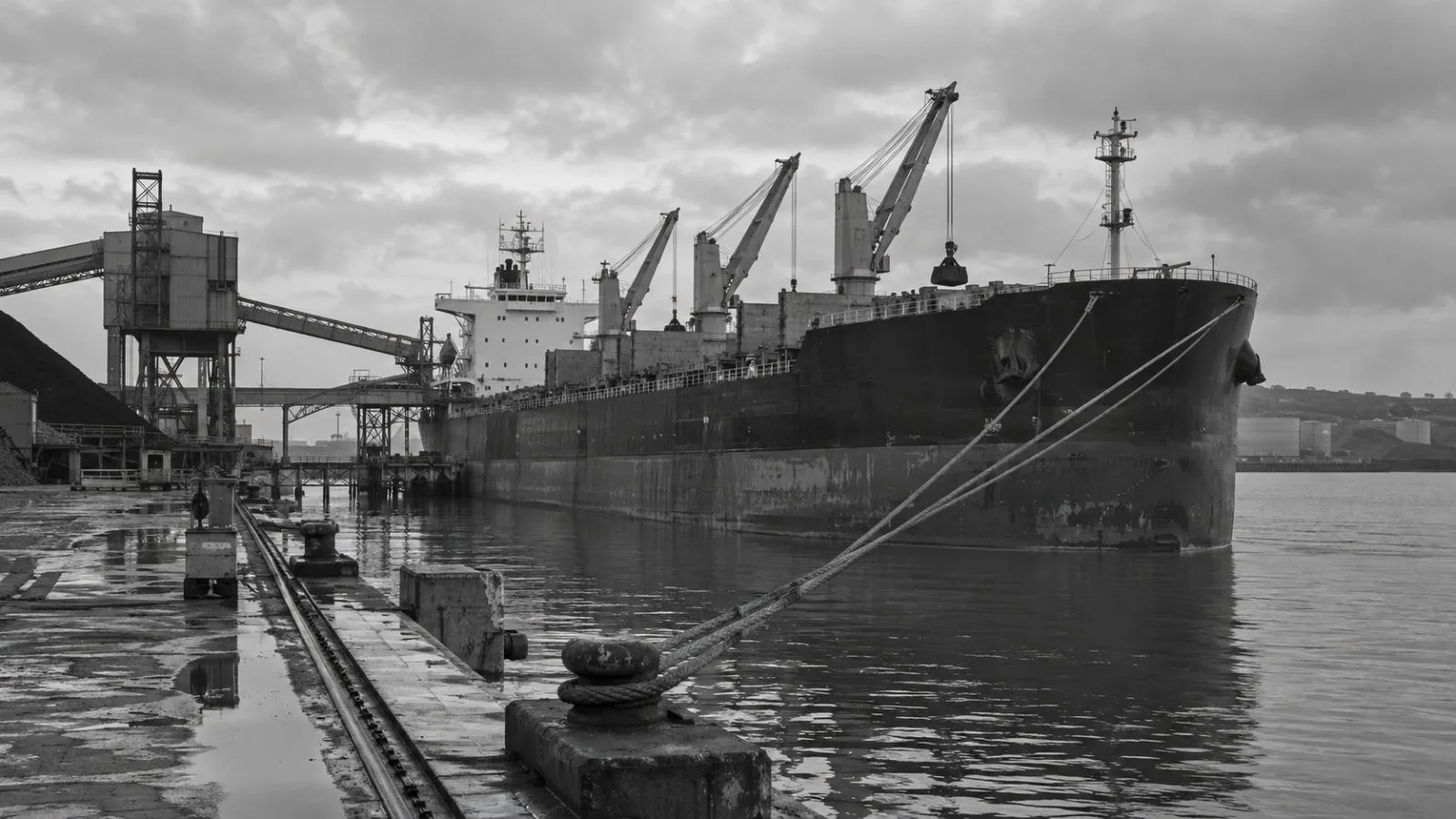
The attacks sparked a sharp rally in oil markets, with Brent crude climbing more than 6% to trade above $100 per barrel for the first time since May. Investors grew increasingly concerned that shipping disruptions could spread beyond the Strait of Hormuz to the Bab el-Mandeb, another vital maritime route for global oil shipments.
The warning came as the U.S. military carried out airstrikes on Iran for a 13th consecutive night, following the collapse of an interim truce aimed at easing the conflict. Iranian state media reported that U.S. strikes killed four people in Ahvaz, while Tehran responded with missile and drone attacks targeting U.S. military sites in Jordan and Kuwait. Jordan said it intercepted most incoming projectiles, while neither Washington nor Kuwait reported casualties.
After the Houthi attacks, Trump said the United States would hold Iran directly responsible for any future assaults carried out by the Yemeni group, describing the Houthis as Iranian proxies. He also said he was considering expanding U.S. military operations against Iran, telling Axios that Tehran had not "received enough pain yet." Trump further suggested that frozen Iranian assets could be used to compensate for damage caused to commercial shipping.
Iranian Foreign Minister Abbas Araqchi rejected the proposal, warning that confiscating another country's assets for future claims would create a dangerous international precedent.
According to Reuters sources, Iran recently sent Revolutionary Guard commanders, military advisers, and missile- and drone-related equipment to Yemen before the Houthis announced a naval blockade targeting Saudi Arabia. The Houthis denied the allegation but claimed responsibility for missile and drone strikes against the Saudi tankers Encelia and Layla. Shipping insurance costs in the southern Red Sea have since surged, while several vessels have altered routes to avoid the Bab el-Mandeb.
Meanwhile, the Republican-led U.S. House approved legislation urging Trump to halt military action against Iran, although the Senate later blocked a similar measure, underscoring growing political divisions as the conflict drives higher oil prices and fuels global inflation concerns.