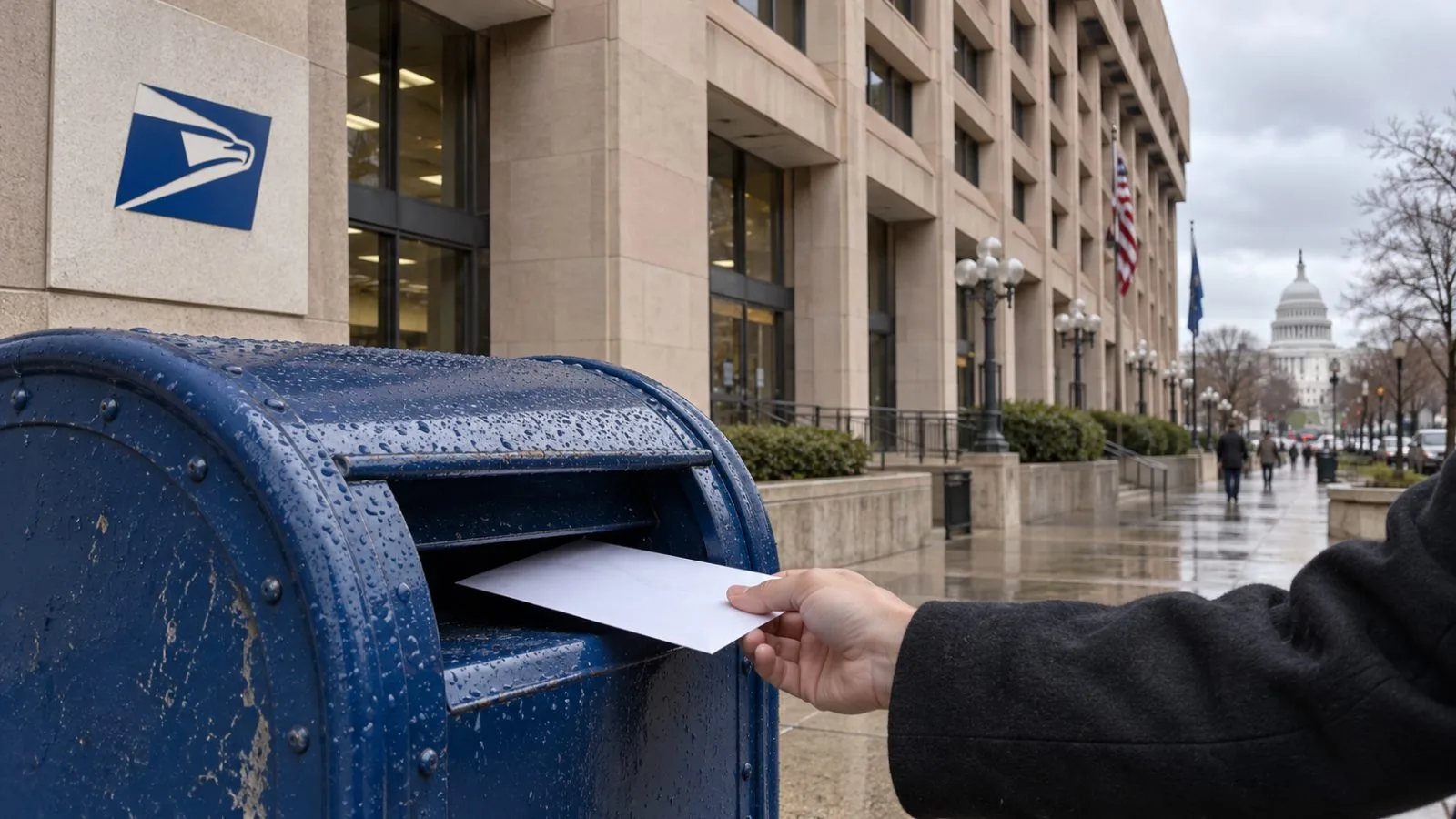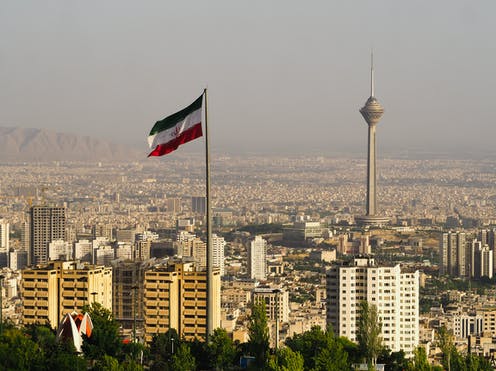
Tehran said it is keeping communication channels open with Washington as U.S. President Donald Trump weighs how to respond to Iran’s violent crackdown on nationwide protests, one of the most serious challenges to clerical rule since the 1979 Islamic Revolution. The unrest has intensified U.S.-Iran tensions amid threats of military action, expanded sanctions, and new trade penalties.
Late Monday, Trump announced that any country continuing to do business with Iran could face a new 25% tariff on exports to the United States. The move, aimed at increasing economic pressure on Iran, would significantly affect Iran’s key trading partners, including China, Turkey, Iraq, the United Arab Emirates, and India. Iran’s mission to the United Nations declined to comment, while the White House offered no further clarification on how the tariffs would be enforced.
Iran’s leadership is facing widespread demonstrations that began over soaring prices and severe economic hardship, later evolving into open calls for the downfall of the ruling clerical establishment. According to U.S.-based rights group HRANA, at least 646 people have been killed so far, including hundreds of protesters, while more than 10,000 have reportedly been arrested. Iranian authorities have not released official casualty figures and blame the violence on foreign interference and what they describe as terrorist groups.
Despite the unrest, Iranian officials insist the situation is under control. Foreign Minister Abbas Araqchi confirmed that indirect communications with U.S. officials are ongoing, even as he criticized Washington’s threats. The U.S. State Department has warned American citizens in Iran to consider leaving due to heightened risks of arrest and detention.
Trump has said diplomacy remains an option but warned that the United States could act before planned talks, including on Iran’s disputed nuclear program. U.S. officials are reportedly considering a range of responses, from cyber operations and expanded sanctions to limited military strikes, options that carry significant regional risks.
The crisis has already pushed global oil prices to multi-week highs, reflecting concerns that Iran’s exports could be disrupted. As protests continue and diplomatic efforts remain uncertain, the situation marks a critical moment for Iran’s future and U.S. foreign policy in the Middle East.