


 Zelenskiy Slams US Over Deadly Russian Strikes on Ukraine
  Trump Rallies in Texas as Republicans Face Tight Midterm Races
  ICC Rules Duterte Fit to Stand Trial in Drug War Case
  Venezuela’s Machado Calls for Elections by July 2027
  US Pressures Allies to Distance From Anti-Disinformation Conference
  Iran Refuses to Halt Uranium Enrichment Amid US Nuclear Demands
  Zelenskiy Criticizes US as Russian Strikes Kill 78 in Ukraine
  Pentagon Orders Iran Strike Preparations as Trump Weighs Military Action
  Italy Approves Electoral Reform Ahead of 2027 Election
  EU Rejects Italy, Greece Calls for Fiscal Rule Flexibility
  Flydubai Co-Pilot Planned Suicide Attack on Israel Airport, UAE Says
  US Suspends Microsoft, Adobe From Green Card Program
  Maduro, Wife May Face New US Torture Charges
  Ripple Chairman Chris Larsen Donates $22.5 Million Ahead of US Midterms
  Hegseth Praises USS Abraham Lincoln Crew After Record Iran War Deployment
  Trump Secures Russian Diesel Deal as US Fuel Prices Surge
  Trump Backs Florida Golf Course as Presidential Retreat


 Add as a preferred source on Google
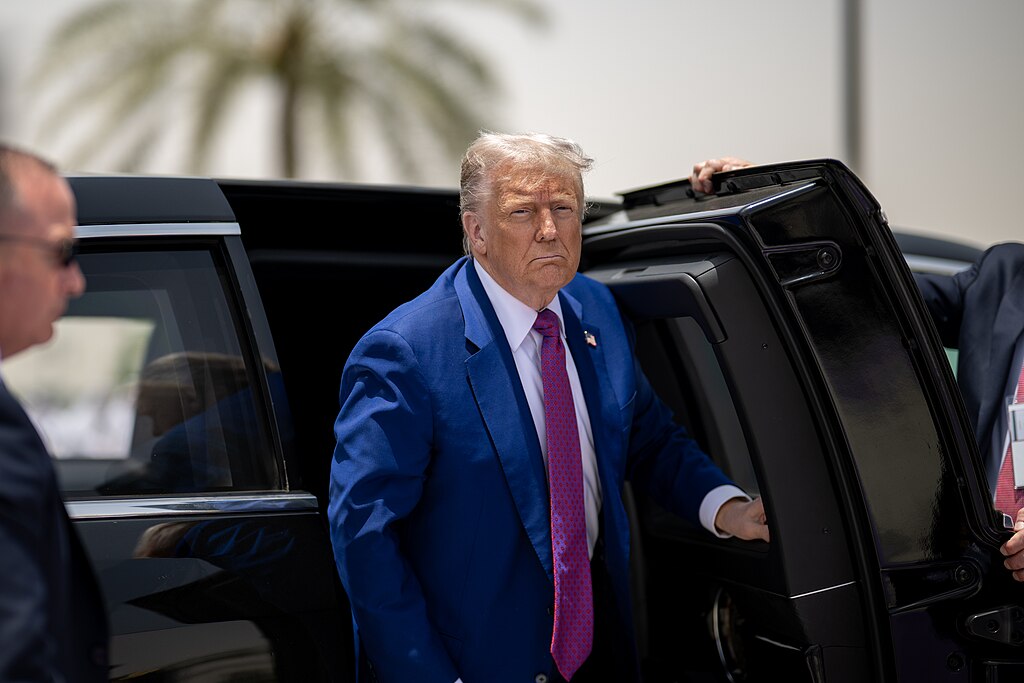
U.S. President Donald Trump said on Tuesday that he is considering sending a second U.S. aircraft carrier to the Middle East, a move that comes as Washington and Tehran prepare to resume diplomatic talks aimed at preventing a renewed conflict. The statement has heightened attention on U.S.-Iran relations, regional security, and the future of negotiations over Iran’s nuclear and missile programs.
Talks between the United States and Iran, facilitated by Oman last week, were described by Iranian officials as constructive enough to justify continuing diplomacy. Iran’s foreign ministry spokesperson said the discussions allowed Tehran to assess Washington’s seriousness and revealed sufficient consensus to move forward. These talks followed the earlier deployment of a U.S. aircraft carrier to the region, a step that had raised fears of potential military escalation.
In interviews with Israeli media and Axios, Trump warned that the U.S. would take “very tough” action if no agreement is reached with Iran. He confirmed that the Pentagon is reviewing options to deploy another carrier, with the USS George Washington, USS George H.W. Bush, or USS Gerald R. Ford cited as possible candidates, though each would take at least a week to arrive.
Regional tensions remain high. A Reuters analysis of satellite imagery showed increased U.S. military activity across the Middle East, including missile systems placed on mobile launchers at Qatar’s al-Udeid Air Base. Meanwhile, oil prices eased slightly as markets weighed the diplomatic signals against the military buildup.
Iran continues to insist that its ballistic missile program is non-negotiable and that any deal must include the lifting of U.S. sanctions and recognition of its nuclear rights, including uranium enrichment. Washington, however, has demanded Iran relinquish its stockpile of uranium enriched to 60%, close to weapons-grade levels. U.S. Vice President JD Vance said Trump will ultimately decide the red lines in negotiations.
As Oman and Qatar continue their mediation efforts, the outcome of the next round of U.S.-Iran talks could shape the future of Middle East stability, global energy markets, and international security.







