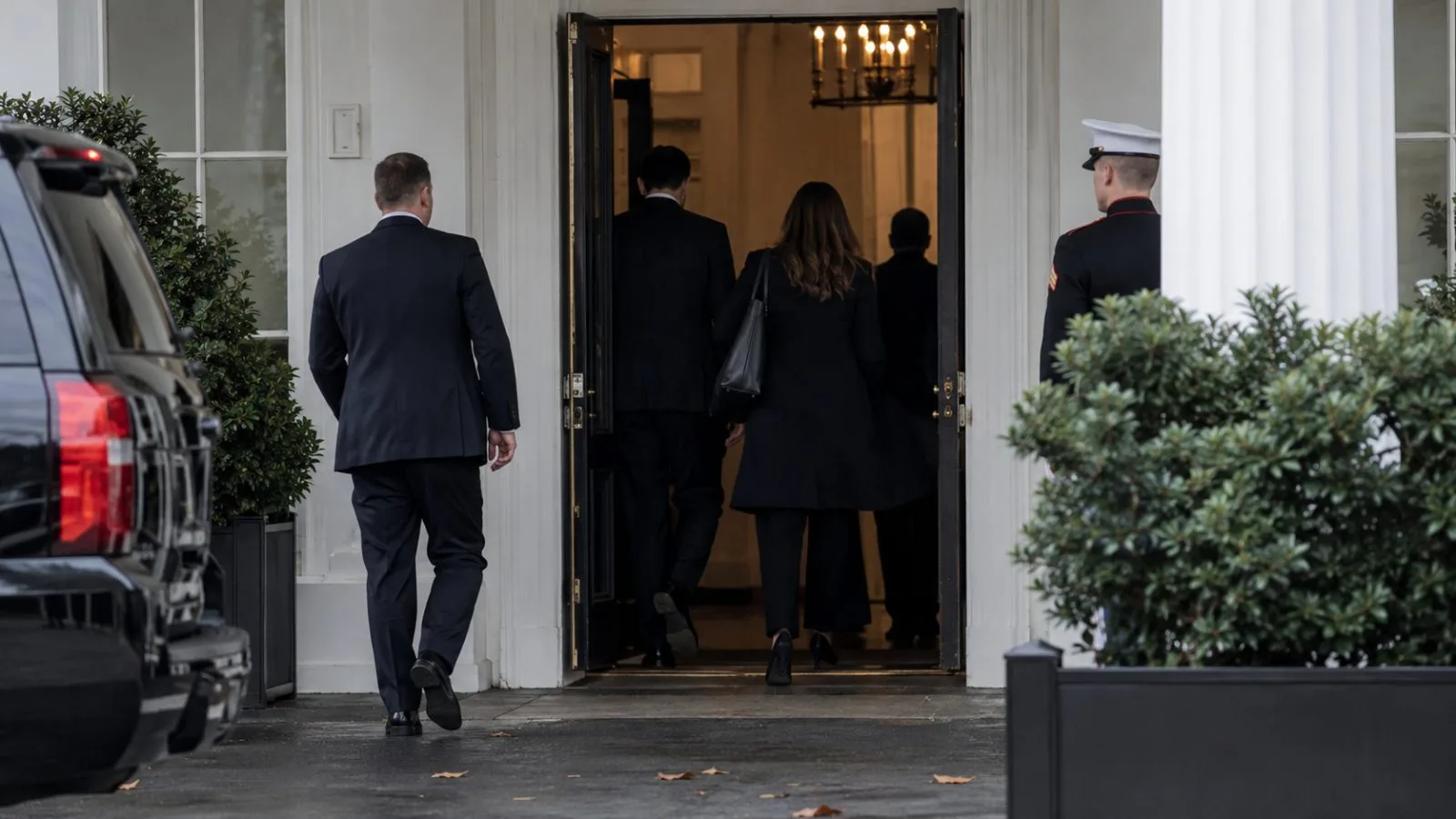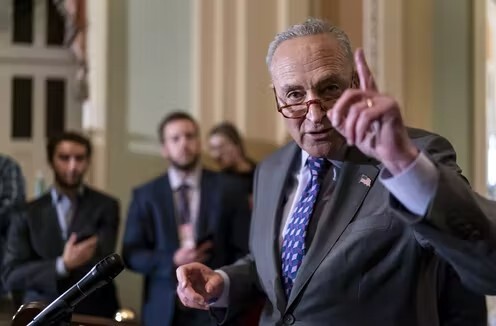
U.S. President Donald Trump and Democratic Senator Chuck Schumer reportedly took steps Wednesday night toward a potential agreement to negotiate new restrictions on federal immigration agents, according to a report by the New York Times citing officials familiar with the discussions. While Reuters said it could not independently verify the report, the development signals a rare moment of bipartisan engagement on one of the most divisive issues in American politics: immigration enforcement.
The talks, which allegedly took place behind closed doors, come at a time when immigration policy remains a central and highly contentious topic in Washington. Federal immigration agents, particularly those associated with Immigration and Customs Enforcement (ICE), have faced growing scrutiny from Democratic lawmakers and civil rights advocates over enforcement tactics, detention practices, and their interactions with local communities. Republicans, meanwhile, have often defended aggressive enforcement as necessary for border security and the rule of law.
According to the New York Times report, the discussions between Trump and Schumer focused on the possibility of negotiating new limits or guidelines governing the actions of federal immigration agents. While specific policy details were not made public, officials familiar with the matter suggested the talks were exploratory rather than final, indicating that any agreement would still require further negotiation and political buy-in from both parties.
If confirmed, the move would be notable given the historically tense relationship between President Trump and Senate Democrats, particularly on immigration issues. Throughout his presidency, Trump championed strict immigration measures, including expanded enforcement authority, while Schumer has consistently pushed for protections for immigrants and greater oversight of federal agencies.
Political analysts say the reported talks could reflect shifting dynamics ahead of key legislative battles, as both parties face pressure from their respective bases to show progress on immigration reform. For Democrats, negotiating restrictions on federal immigration agents could demonstrate accountability and reform, while Republicans may view talks as a strategic effort to shape enforcement policy rather than leave it solely to executive action.
At this stage, the outcome of the discussions remains uncertain. With no official confirmation from the White House or Senator Schumer’s office, questions remain about whether the talks will lead to concrete policy proposals or stall amid partisan disagreements. Still, the report has sparked renewed attention on the future of U.S. immigration enforcement and the possibility of bipartisan compromise in a deeply polarized political environment.