Former U.S. President Barack Obama warned that the United States is facing ongoing threats to its democratic institutions during a memorial service honoring legendary civil rights leader Jesse Jackson in Chicago. The event, held at the House of Hope on the city’s South Side, gathered prominent political leaders, activists, and community members to celebrate Jackson’s life and legacy after his death last month at the age of 84.
Obama joined former Presidents Joe Biden and Bill Clinton, along with former Vice President Kamala Harris and other national figures, to pay tribute to Jackson’s decades-long fight for civil rights, racial equality, and voting rights. The memorial drew thousands of attendees, many of whom arrived hours early and formed long lines outside the 10,000-seat venue to honor one of America’s most influential civil rights activists.
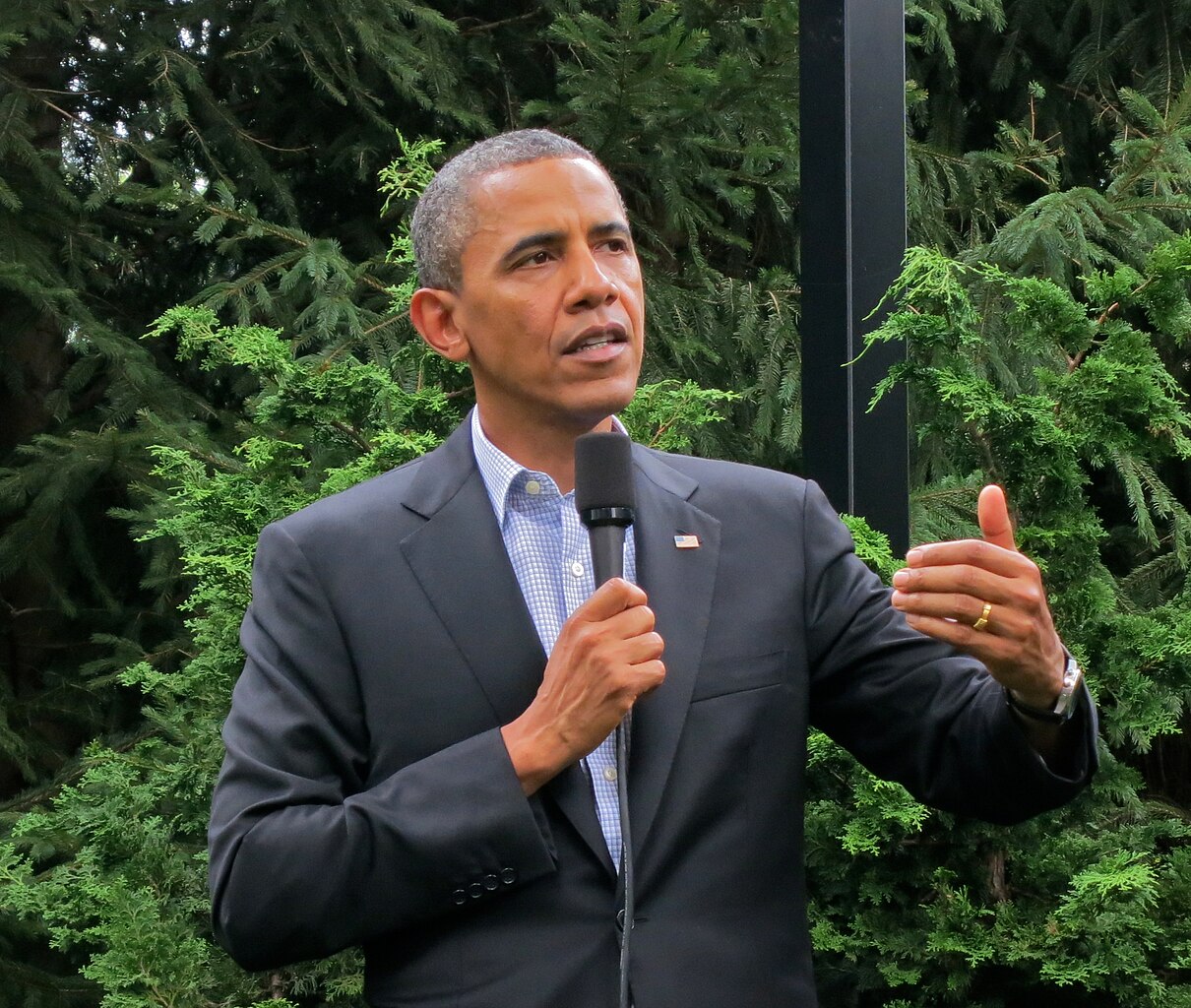
During his remarks, Obama expressed concern about what he described as daily challenges to democratic values and the rule of law in the United States. He said Americans are increasingly witnessing attacks on democratic institutions, respect for expertise, and basic standards of decency in public life. Obama also warned against political rhetoric that encourages division among citizens or suggests that some Americans matter more than others.
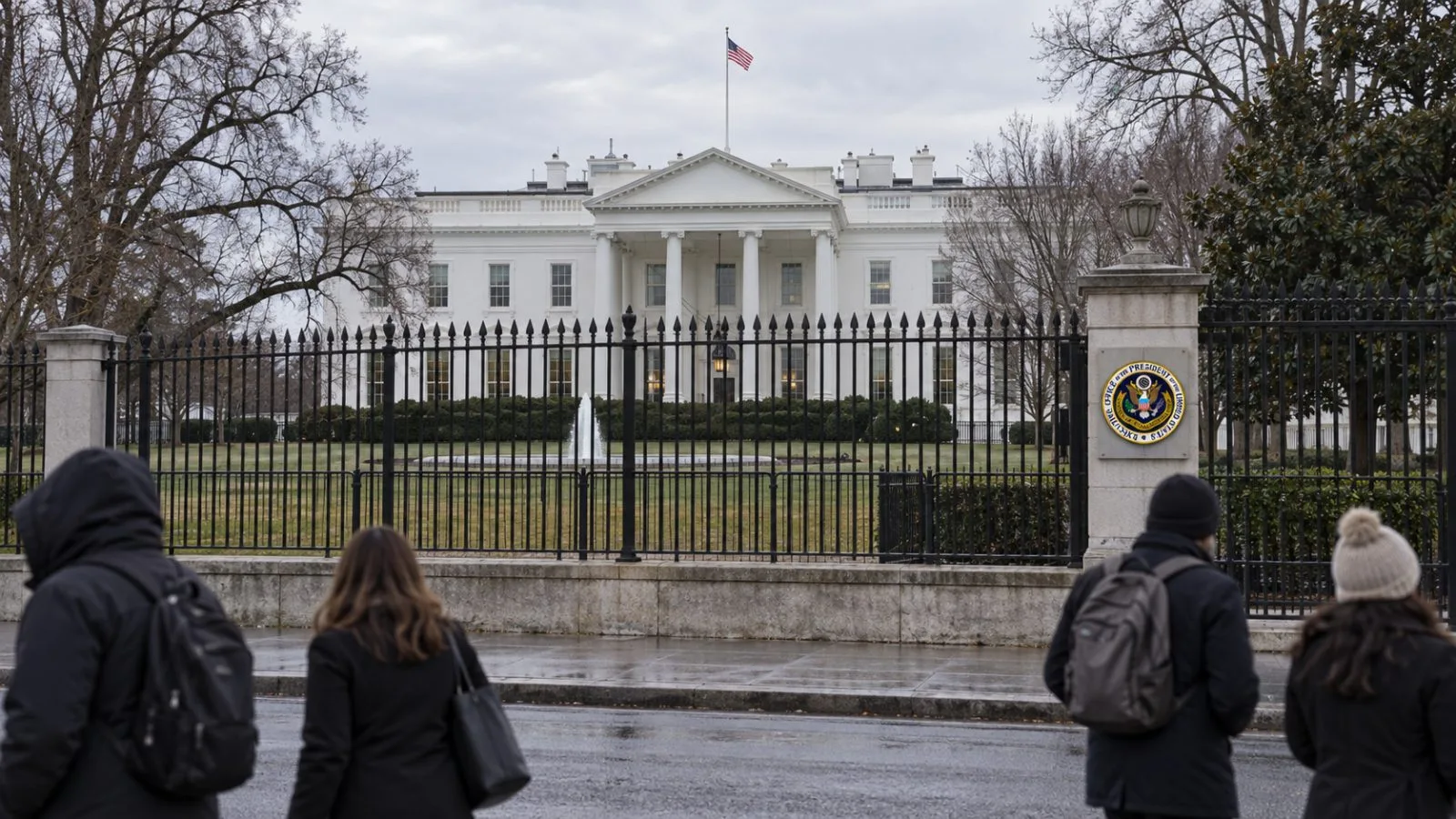
The comments drew a response from the White House. Spokesman Steven Cheung criticized Obama, calling his remarks inappropriate and stating that history would not judge him favorably. President Donald Trump did not attend the memorial service due to scheduling commitments, according to a White House official.
The service featured gospel performances and speeches celebrating Jackson’s lifelong dedication to justice and equality. Religious leaders, political figures, and activists urged attendees to continue Jackson’s mission of expanding opportunity and defending civil rights. Former President Joe Biden said the country currently faces political leadership that does not share the same values as many civil rights advocates.
Jesse Jackson rose to national prominence after the 1968 assassination of Martin Luther King Jr. and spent more than five decades fighting segregation, advocating for marginalized communities, and expanding political participation. His presidential campaigns in the 1980s energized millions of voters through the “Rainbow Coalition,” pushing the Democratic Party to address issues affecting working-class Americans, farmers, and communities of color.
Speakers at the memorial emphasized that Jackson’s legacy should inspire continued activism for equality, justice, and democratic values. Civil rights leader Rev. Al Sharpton urged attendees to carry forward Jackson’s determination and passion, reminding the crowd that social progress often requires persistence and courage. The memorial events in Chicago followed earlier tributes and ceremonies, including Jackson lying in state in South Carolina, where he was born.
For many attendees, the gathering was not only a tribute to a historic figure but also a call to continue the struggle for civil rights, voting rights, and a more inclusive American democracy.