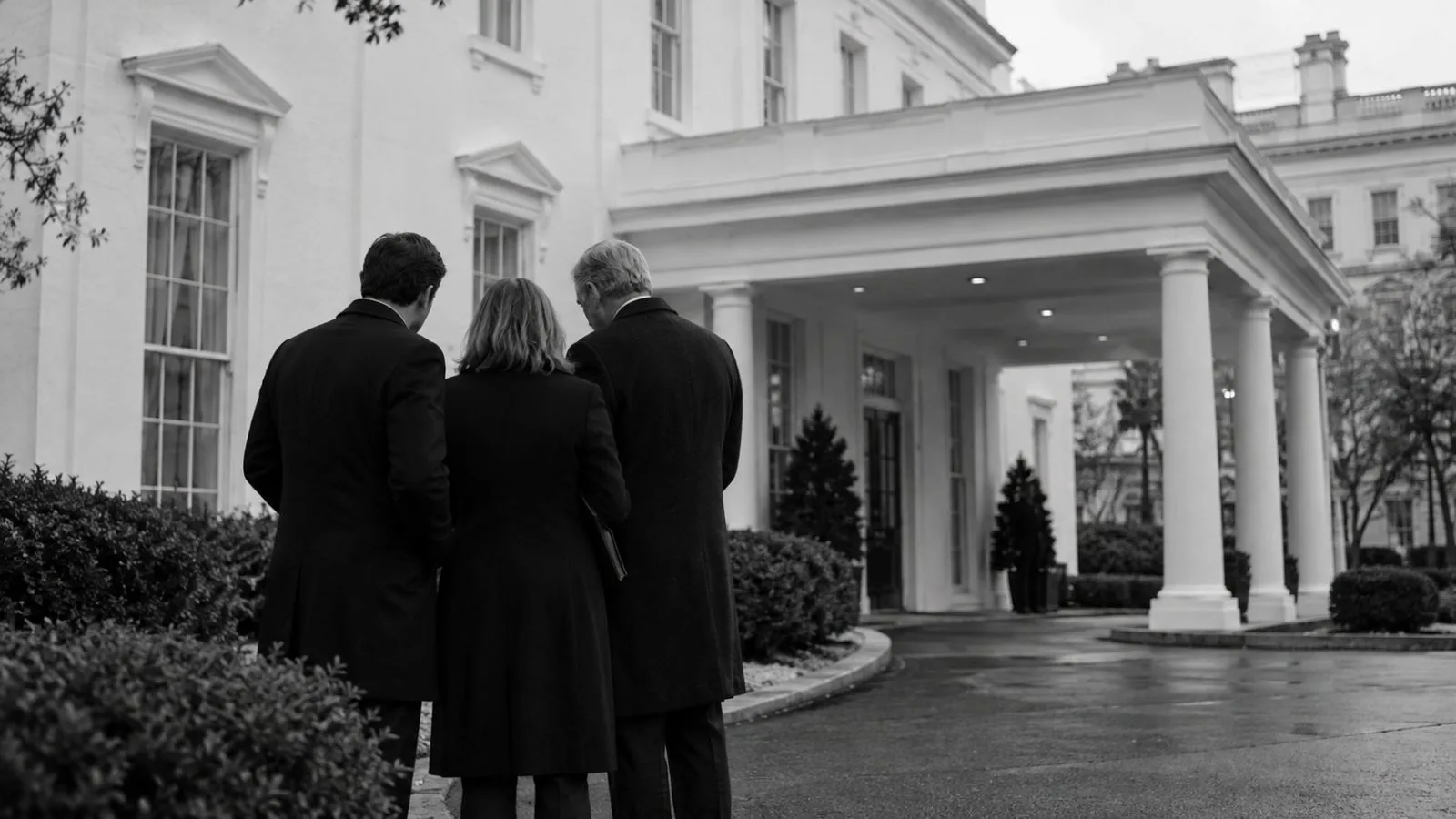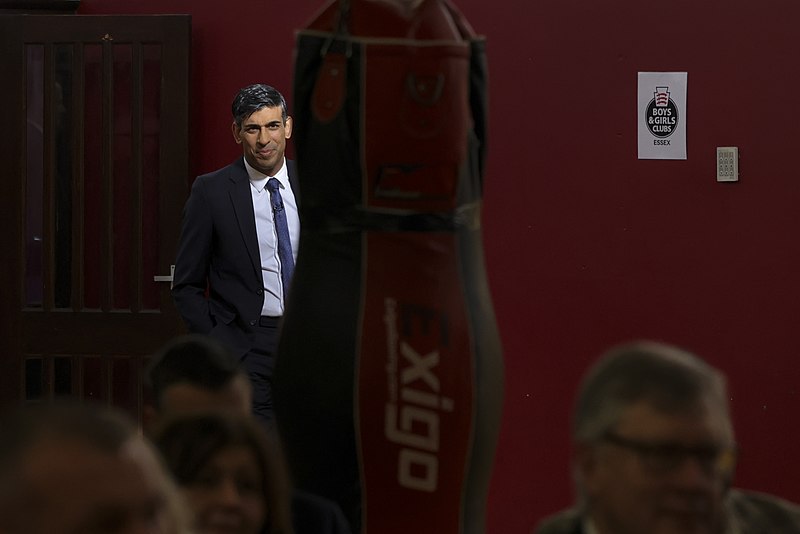
The British government said this week that it would increase its funding for security at Jewish faith schools and synagogues. The increased funding would be for the coming year to ensure better protection against antisemitic attacks.
The British government said on Thursday that it would increase its funding for protection at Jewish schools and synagogues for the coming year for better protection against potential antisemitic attacks. The funding would be up to $18.50 million for 2023-2024, £1 million more than the amount in the previous year. The increased funding would be for security guards, CCTV, and alarm systems to protect against hate crimes, anti-social behavior, and terrorism.
“Attacks on the Jewish community are abhorrent. I applaud the police’s efforts to tackle these crimes but we must go further to ensure the vile criminals who threaten the peace and security of Jewish communities feel the full force of the law,” said interior minister Suella Braverman in a statement.
Braverman is set to chair a new Jewish Community Police, Crime, and Security taskforce to increase efforts to counter hate crimes and violence against the Jewish community. The task force is set to meet three times a year and will be made up of police, ministers, and the Jewish advisory body known as the Community Security Trust.
The CST last month issued a report saying that the number of antisemitic incidents in the UK last year fell from a high by the shelf compared to the record high in 2021. However, the report noted that children were increasingly becoming targets of hate crimes.
The government said the new funding would bring the total amount provided through the Jewish Community Protective Security Grant to £122 million since 2015.
On the same day, the government said it would not yet propose a rise in the state pension to 68 years old, delaying a decision until after the next election to carry out a further review of the impact of the move. British secretary of state for work and pensions Mel Stride told parliament that there has yet to be enough evidence on the long-term impact of recent challenges such as the pandemic to decide on when to announce the increase of the state pension to 68.