


 US-Taiwan Ties Remain Strong as Taipei Urges Timely Arms Deliveries
  EU Rejects Italy, Greece Calls for Fiscal Rule Flexibility
  Iran Refuses to Halt Uranium Enrichment Amid US Nuclear Demands
  ICC Rules Duterte Fit to Stand Trial in Drug War Case
  Trump Says He Deserves 2026 Nobel Peace Prize Despite Uncertain Chances
  Flavio Bolsonaro Leads Lula 49%-45% in Brazil Runoff Poll
  Berlin Coalition Talks Advance After Left Party Antisemitism Deal
  Trump Rallies in Texas as Republicans Face Tight Midterm Races
  Trump Backs Florida Golf Course as Presidential Retreat
  Italy Approves Electoral Reform Ahead of 2027 Election
  US Pressures Allies to Distance From Anti-Disinformation Conference
  Maduro, Wife May Face New US Torture Charges
  Pentagon Orders Iran Strike Preparations as Trump Weighs Military Action
  Trump Weighs FBI Probe Into Nolan Wells’ Death
  Hegseth Praises USS Abraham Lincoln Crew After Record Iran War Deployment
  Saudi Airport Attacks Kill Three as Yemen Fighting Escalates
  Trump Buys Up to $25M in Meta Stock, Invests in SpaceX Debt


 Add as a preferred source on Google
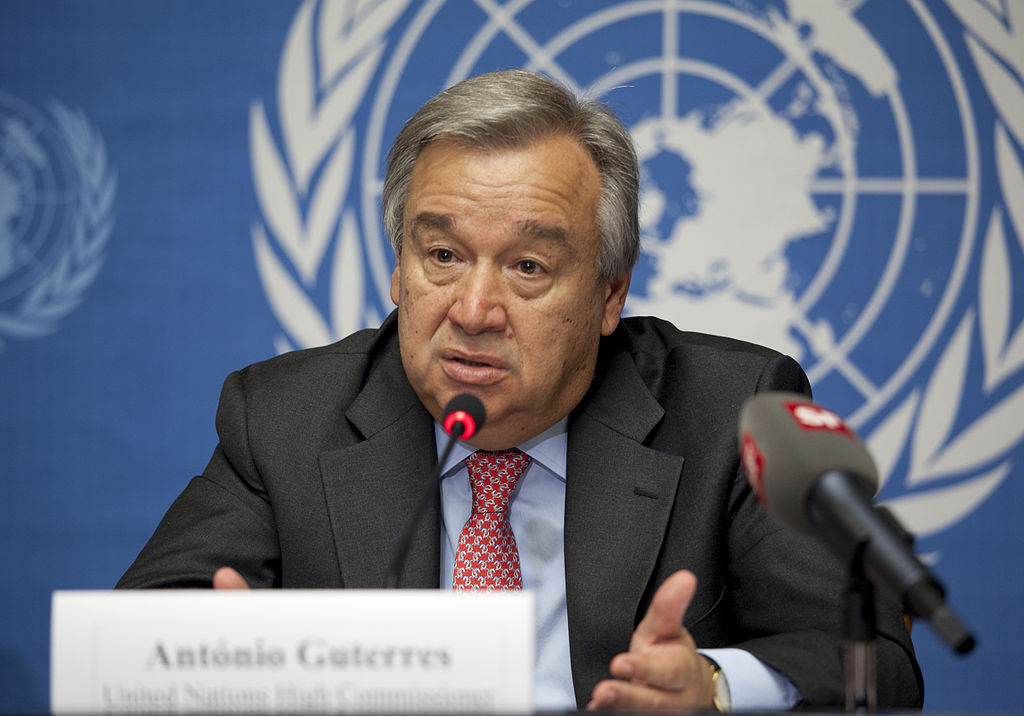
United Nations Secretary-General Antonio Guterres has issued a stark warning following the expiration of the New START Treaty, calling it a grave moment for international peace and global security. The landmark nuclear arms control agreement between the United States and Russia officially ended at midnight on Wednesday, leaving the world without any legally binding limits on the strategic nuclear arsenals of the two largest nuclear powers for the first time in over 50 years.
The New START Treaty had played a critical role in capping the number of deployed strategic nuclear warheads, as well as limiting land-based and submarine-launched missiles and nuclear-capable bombers. Its expiration marks the collapse of one of the last remaining pillars of nuclear arms control, raising serious concerns about unchecked nuclear proliferation and increased global instability.
In a statement, Guterres emphasized that the dissolution of decades-long arms control achievements could not come at a worse time. He warned that the risk of nuclear weapons being used is now at its highest level in decades, driven by rising geopolitical tensions, armed conflicts, and eroding trust between major powers. According to the UN chief, the absence of verifiable limits on nuclear arsenals significantly heightens the danger of miscalculation and escalation.
Despite the alarming situation, Guterres noted that the moment also presents an opportunity. He urged Russia and the United States to seize the chance to reset relations and negotiate a new nuclear arms control framework that reflects today’s rapidly evolving security environment. He welcomed recent acknowledgments from leaders in both countries regarding the need to prevent a return to a world of unchecked nuclear arms races.
“The world now looks to the Russian Federation and the United States to translate words into action,” Guterres said, calling on both nations to return to the negotiating table without delay. He stressed the importance of agreeing on a successor agreement that restores verifiable limits, reduces nuclear risks, and strengthens collective global security.
As global attention focuses on nuclear disarmament and arms control, the UN’s message is clear: renewed diplomacy between Washington and Moscow is essential to prevent a dangerous new era of nuclear instability.







