


 Apple Supplier Luxshare Faces US Patent Probe, Sees Limited Impact
  Samsung, SK Hynix Shares Plunge as China Chip Competition Grows
  Elon Musk Donates $366 Million to 2026 US Midterms
  Nasdaq Faces Pullback to 26,225 Despite Bullish Outlook, UBS Says
  TikTok Accused of Testing Fake Safety Tools on Users
  Moonshot AI Executives Seek Settlement Ahead of Hong Kong IPO
  Asian Currencies Steady as Dollar Nears 18-Month High Ahead of US CPI
  Meta Found Liable in New Mexico Facebook Data Privacy Case
  Florida Seeks Tougher Meta Rules to Protect Young Users
  Asian Stocks Plunge as AI Chip Selloff Hits South Korea and Japan
  Airbus Tests Valkyrie Combat Drone in Europe for Eurofighter Integration
  IMF, World Bank Meetings Face Global Economic Risks Amid Iran War
  US Authorities Raid Ilhan Omar’s Home Amid Immigration Fraud Probe
  Global Stocks Mixed as Oil Falls Ahead of US Earnings
  US Judge Blocks Trump Administration’s Taxpayer-Funded Political Ads
  Trump Calls for Zelenskyy Replacement Amid Russian Diesel Deal
  Trump Sanctions International Criminal Court, Sparking EU Backlash


 Add as a preferred source on Google
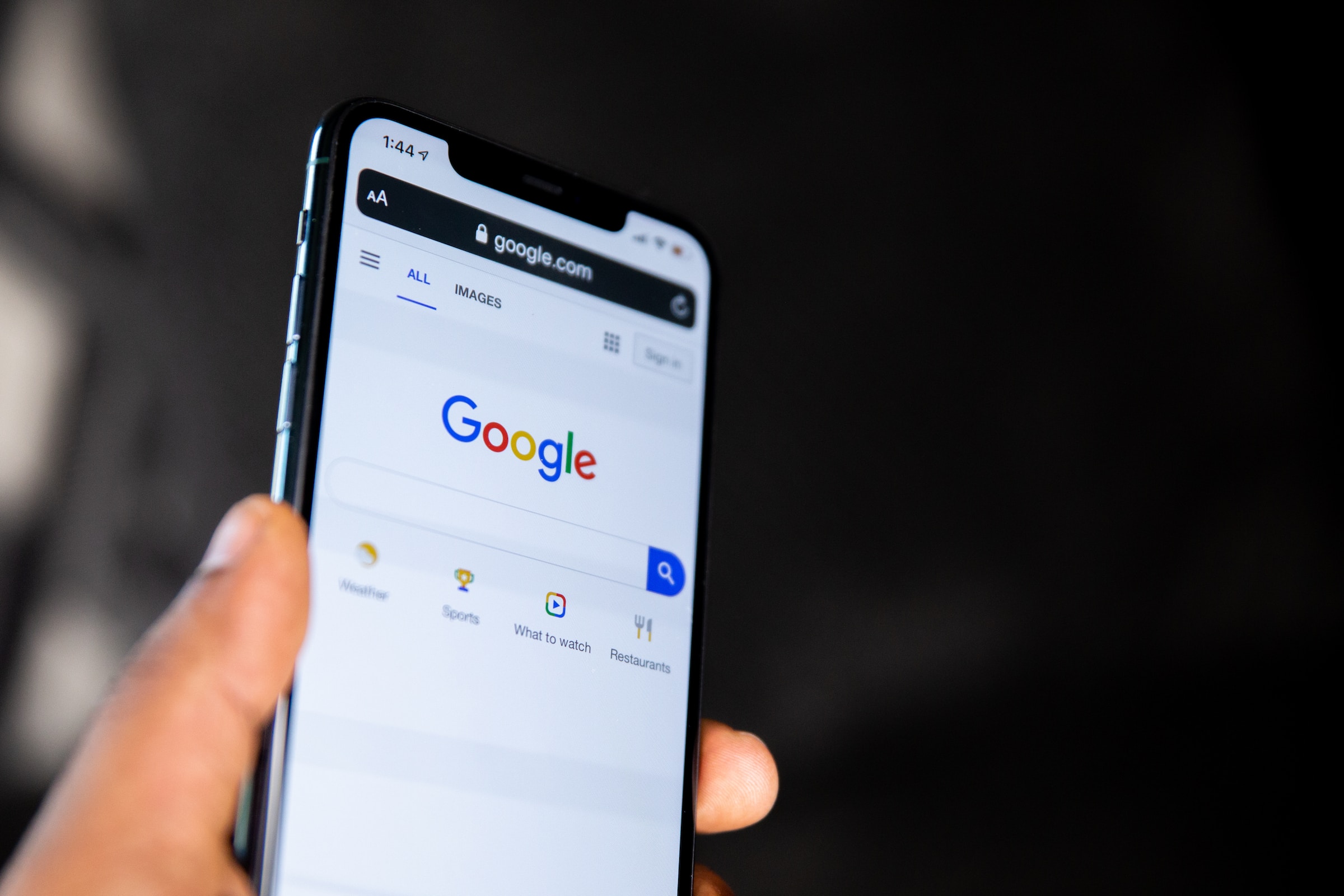
Over the next 10 weeks, federal and state attorneys will probe Google's alleged manipulation of its dominant internet search market position, stemming from a three-year-old antitrust lawsuit by the Department of Justice.
U.S. District Judge Amit Mehta is expected to withhold his ruling until early next year, leaving ample time for both sides to present their cases. If Google is found guilty of stifling competition and hindering innovation, another trial will determine the appropriate measures to rein in the technology giant.
Key executives from Google and its parent company, Alphabet Inc., are set to testify, including current Alphabet CEO Sundar Pichai, who succeeded co-founder Larry Page. A top-ranking Apple executive, Eddy Cue, may also be called to the witness stand.
The Justice Department filed an antitrust lawsuit against Google almost three years ago, alleging that the company leveraged its internet search dominance to gain an unfair advantage. Government lawyers argue that Google engages in payola, spending billions annually to secure its position as the default search engine on devices like the iPhone and popular web browsers like Apple's Safari and Mozilla's Firefox.
According to Kenneth Dintzer, the lead litigator for the Justice Department, Google pays a staggering $10 billion per year for these exclusive arrangements. Dintzer maintains that Google has been "weaponizing defaults" for over 15 years, using them as an "Achilles Heel" against rival search engines.
Additionally, Dintzer accuses Google of coercing Apple by requiring its search engine to be the default choice on Apple devices in exchange for revenue-sharing payments. He further alleges that Google deleted incriminating documents to obstruct legal proceedings and attempted to shield others through attorney-client privilege.
In response, Google argues that despite its 90% market share, it faces a wide range of competition from alternative search engines like Microsoft's Bing and consumer-oriented platforms such as Amazon and Yelp, which provide recommendations and answers to user queries.
With a valuation of $1.7 trillion, Google's corporate parent, Alphabet, employs thousands of individuals and wields considerable influence over the digital landscape. The outcome of this trial will have far-reaching implications for the future of tech regulation and competition.
Photo: Solen Feyissa/Unsplash







