


 Trump Threatens EU Tariffs Over Canada Membership Proposal
  US Officials Meet Houthis in Oman Amid Yemen Offensive
  FDA Weighs Safety Standards for Psychedelic Therapies
  U.S. Imposes New Visa Restrictions Over South Africa Policies
  North Korea Vows to Expand Nuclear Arsenal Amid U.S.-Led Military Buildup
  Trump Administration Removes Confederate Memorial Criticism From Arlington Website
  US Immigration Arrests Surge as Deportations Lag Behind
  Banking scandal rocks Brazil’s politics and the country’s presidential election in October
  SEC Seeks ISS Client Voting Records in Proxy Adviser Probe
  Ukraine Tests New Anti-Drone Weapon After Successful Shahed Intercept
  Trump Hopes Iran War Nears End as Yemen Fighting Escalates
  Judge Blocks Trump Rule Limiting Foreign Student Visas
  Google Changes EU Spam Policy Amid Antitrust Scrutiny
  Who should own the knowledge that underpins AI technology?
  France Urges Faster AI Push Despite Safety Risks
  Trump Grants Clemency to Jay-Z Associate Emory Jones


 Add as a preferred source on Google
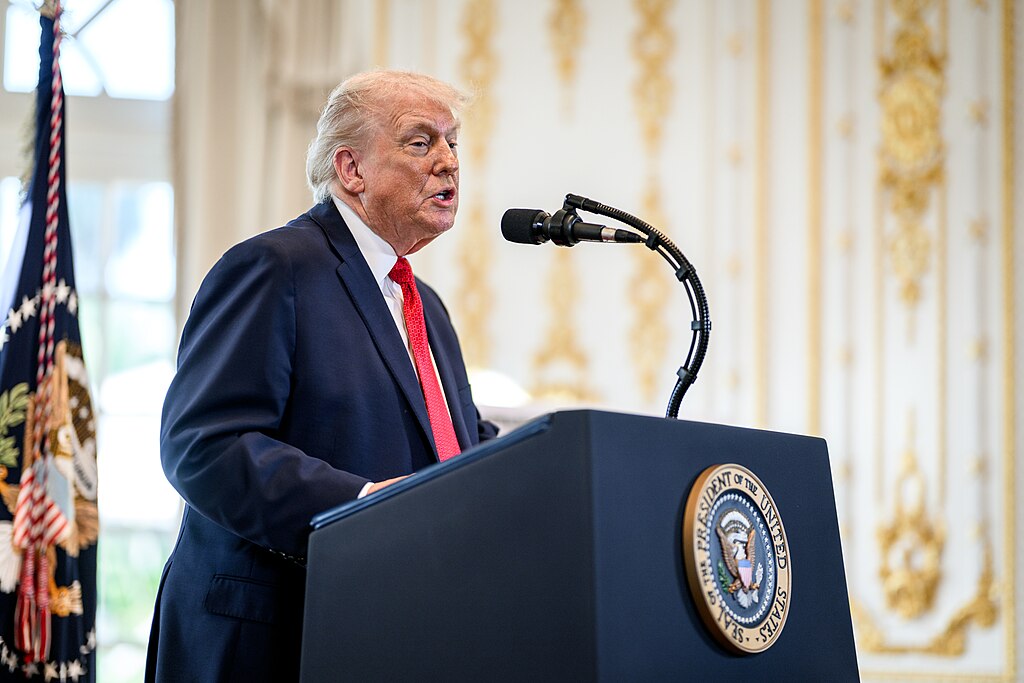
The Trump administration has removed all members of the National Science Board, a major advisory group that oversees the National Science Foundation (NSF), according to statements from two former board members. The decision impacts more than 20 experts and has raised concerns about the future of independent scientific governance in the United States.
The National Science Board, established in 1950, plays a vital role in guiding U.S. science and engineering policy. Its members are typically appointed for six-year terms and come from diverse backgrounds, including academia, industry, nonprofits, and national laboratories. The board also advises both the president and Congress on key issues related to scientific research and innovation.
Yolanda Gil of the University of Southern California and Keivan Stassun of Vanderbilt University confirmed that all 22 members received an email on Friday notifying them of their immediate termination. Both stated that no reason was provided for the sudden dismissal. Gil highlighted the board’s diverse expertise, while Stassun noted that, although disappointing, the move was not entirely unexpected.
Experts believe the action reflects a broader strategy by the Trump administration, which began in early 2025, to reshape independent institutions. Critics argue that removing experienced board members and potentially replacing them with political allies could weaken objective scientific oversight and reduce critical input in policymaking.
The National Science Foundation referred questions to the White House. A White House official responded by suggesting that the board’s authority, established decades ago, may need to be updated. The official also emphasized that the NSF’s operations will continue without interruption.
This development has intensified discussions about the role of independent scientific bodies in the U.S., particularly their importance in ensuring unbiased, evidence-based policy decisions in science and technology.







