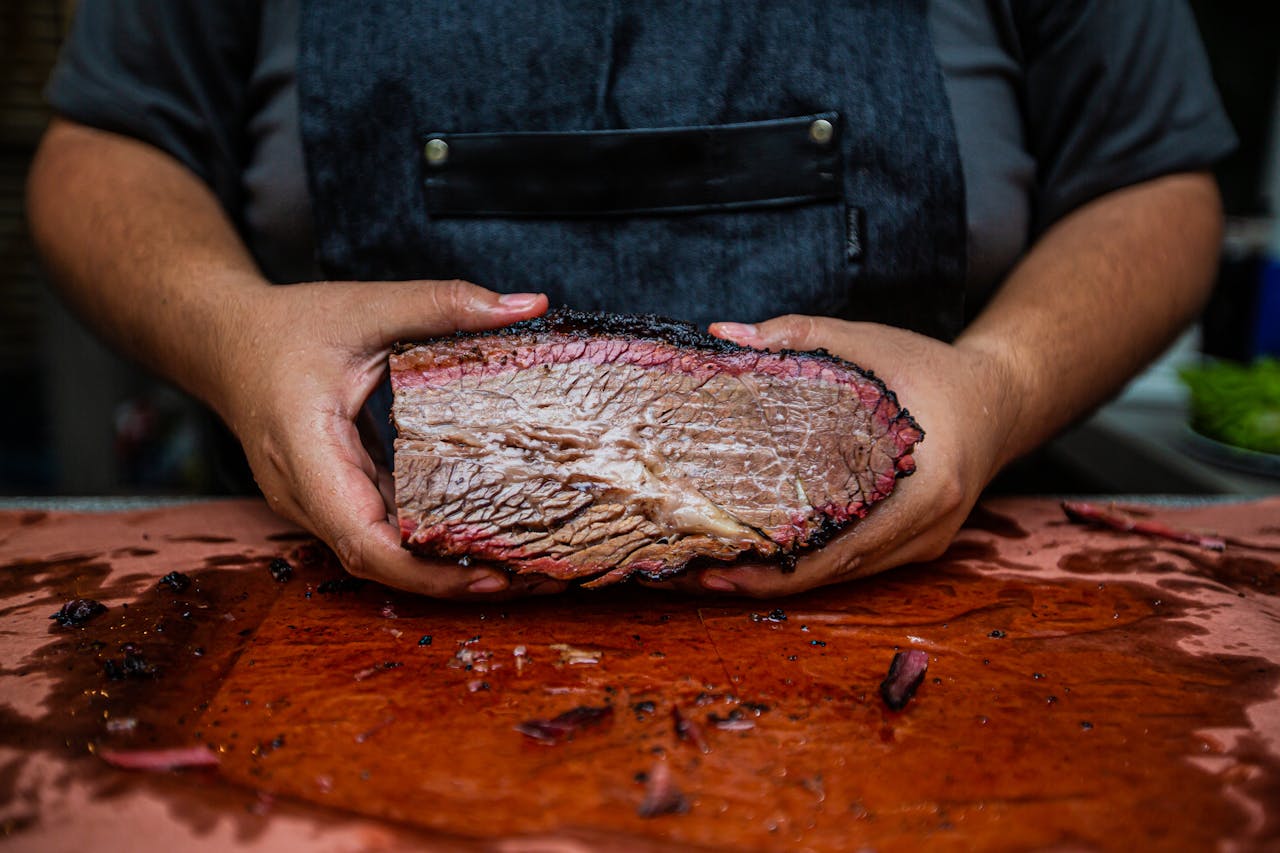
U.S. beef producers are pushing for renewed access to the Chinese market ahead of the May 14-15 summit between U.S. President Donald Trump and Chinese President Xi Jinping. American exporters hope the meeting will lead to the renewal of expired export licenses that have effectively blocked most U.S. beef shipments to China over the past year.
The U.S.-China trade conflict has heavily impacted the American beef industry. U.S. beef exports to China previously reached a peak value of $1.7 billion in 2022, but more than 400 American beef processing facilities have since lost export eligibility after Chinese authorities allowed their registrations to expire. According to Chinese customs records, these expired licenses represent nearly 65% of previously approved U.S. beef plants.
Industry groups, including the United States Cattlemen’s Association and the U.S. Meat Export Federation, say China has not provided a clear explanation for failing to renew the licenses despite commitments under the 2020 Phase One trade agreement between Washington and Beijing.
U.S. cattle producers are urging the White House to make the issue a priority during the high-level talks. Association president Justin Tupper said administration officials confirmed the topic would be included in summit discussions, raising hopes for a possible breakthrough in U.S.-China agricultural trade relations.
Despite optimism, analysts believe renewed market access may not immediately increase U.S. beef exports to China. American beef currently faces tariffs that are 10% higher than those applied to Australian beef, reducing its competitiveness. China also introduced a beef import quota system in late 2025, including a 55% tariff on imports exceeding quota limits.
Chinese industry executives say Beijing is increasingly focused on strengthening domestic beef production and reducing dependence on imported premium beef. Even if export licenses are restored, experts believe China may use the issue mainly as leverage in broader trade negotiations with the United States.