CHELMSFORD, Mass., Feb. 15, 2017 -- Mercury Systems, Inc. (NASDAQ:MRCY) (www.mrcy.com), announced that its Chelmsford, Mass. facility recently received the Category 1A Trusted Supplier accreditation for design capability from the U.S. Defense Department’s Defense Microelectronics Activity (DMEA). This expands upon the previously received Category 1A accreditation for broker, packaging, assembly, and test at Mercury’s Phoenix, Ariz. facility, and is part of Mercury’s overall strategy to be the leading commercial provider of trusted and secure sensor and mission processing subsystems. The vast majority of companies receiving DMEA accreditation are either defense prime contractors or semiconductor suppliers. Mercury is the only commercial provider of embedded computing boards and subsystems to have received DMEA accreditation to date.
The DMEA Trusted Supplier accreditation is a critical component of complying with DoD Instruction 5200.44, “Protection of Mission Critical Functions to Achieve Trusted Systems and Networks (TSN).” That DoD policy requires that “…in applicable systems, integrated circuit-related products and services shall be procured from a trusted supplier using trusted processes accredited by the Defense Microelectronics Activity (DMEA) when they are custom-designed, custom-manufactured, or tailored for a specific DoD military end use.”
“We are proud to be part of the DoD Trusted Program and to continue developing advanced technology for national security, military and aerospace programs,” said Ian Dunn, Vice President and General Manager of Mercury’s Sensor and Mission Processing group. “From our design activities in Chelmsford to our manufacturing facilities in Phoenix, Mercury’s trusted supply chain provides the confidence in people and processes required for design, manufacture, and distribution of national security critical components.”
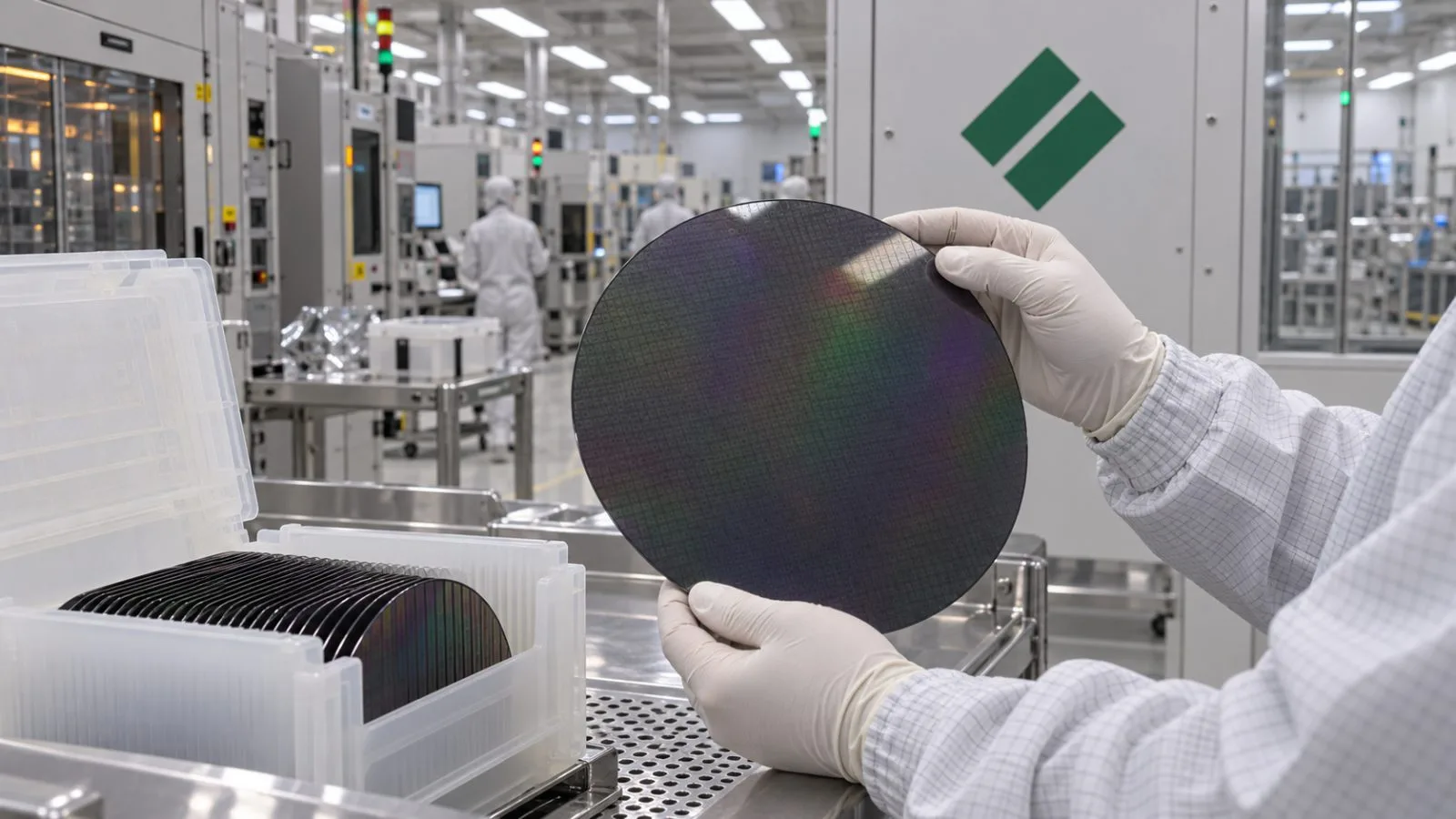
Mercury Systems joins a select group of companies that have been accredited by the DoD Trusted Program, which was established to assure the integrity and confidentiality of integrated circuits during design and manufacturing. The DMEA accreditation underscores the strength of Mercury’s corporate ISO 9001 Quality foundation, cleared and vetted employees, and facility and information security. Mercury’s commitment to excellence in industrial security has also been recognized by the Defense Security Service (DSS) with multiple Superior ratings for several of its advanced microelectronics center (AMC) facilities. Furthermore, all design and manufacturing records are protected with an active cybersecurity program modeled after the Center for Internet Security (CIS) critical security controls.
For more information, visit www.mrcy.com or contact Mercury at (866) 627-6951 or info@mrcy.com.
About DMEA
DMEA is the program manager for the DoD Trusted Foundry program. The program provides a cost-effective means to assure the integrity and confidentiality of integrated circuits during design and manufacturing while providing the US Government with access to leading edge microelectronics technologies for both Trusted and non-sensitive applications. For more information, visit www.dmea.osd.mil/home.html. A current list of DMEA accredited suppliers can be found at www.dmea.osd.mil/trustedic.html.
Mercury Systems – Innovation That Matters™
Mercury Systems (NASDAQ:MRCY) is a leading commercial provider of secure sensor and mission processing subsystems. Optimized for customer and mission success, Mercury’s solutions power a wide variety of critical defense and intelligence programs. Headquartered in Chelmsford, Mass., Mercury is pioneering a next-generation defense electronics business model specifically designed to meet the industry’s current and emerging technology needs. To learn more, visit www.mrcy.com.
Forward-Looking Safe Harbor Statement
This press release contains certain forward-looking statements, as that term is defined in the Private Securities Litigation Reform Act of 1995, including those relating to the products and services described herein. You can identify these statements by the use of the words “may,” “will,” “could,” “should,” “would,” “plans,” “expects,” “anticipates,” “continue,” “estimate,” “project,” “intend,” “likely,” “forecast,” “probable,” “potential,” and similar expressions. These forward-looking statements involve risks and uncertainties that could cause actual results to differ materially from those projected or anticipated. Such risks and uncertainties include, but are not limited to, continued funding of defense programs, the timing and amounts of such funding, general economic and business conditions, including unforeseen weakness in the Company’s markets, effects of continued geopolitical unrest and regional conflicts, competition, changes in technology and methods of marketing, delays in completing engineering and manufacturing programs, changes in customer order patterns, changes in product mix, continued success in technological advances and delivering technological innovations, changes in, or in the U.S. Government’s interpretation of, federal export control or procurement rules and regulations, market acceptance of the Company's products, shortages in components, production delays or unanticipated expenses due to performance quality issues with outsourced components, inability to fully realize the expected benefits from acquisitions and restructurings, or delays in realizing such benefits, challenges in integrating acquired businesses and achieving anticipated synergies, increases in interest rates, changes to export regulations, increases in tax rates, changes to generally accepted accounting principles, difficulties in retaining key employees and customers, unanticipated costs under fixed-price service and system integration engagements, and various other factors beyond our control. These risks and uncertainties also include such additional risk factors as are discussed in the Company's filings with the U.S. Securities and Exchange Commission, including its Annual Report on Form 10-K for the fiscal year ended June 30, 2016. The Company cautions readers not to place undue reliance upon any such forward-looking statements, which speak only as of the date made. The Company undertakes no obligation to update any forward-looking statement to reflect events or circumstances after the date on which such statement is made.
Mercury Systems and Innovation That Matters are trademarks of Mercury Systems, Inc. Other product and company names mentioned may be trademarks and/or registered trademarks of their respective holders.
Contact:
Robert McGrail, Director of Corporate Communications
Mercury Systems, Inc.
+1 978-967-1366 / rmcgrail@mrcy.com