The U.S. dollar strengthened on Tuesday, reaching its highest level in more than a year as investors continued to react to the Federal Reserve’s unexpectedly hawkish stance. Growing expectations of future interest rate hikes, combined with a global technology stock sell-off, boosted demand for the safe-haven greenback.
The U.S. Dollar Index (DXY), which measures the dollar against six major currencies, rose 0.4% to 101.39, marking its strongest level since May 2025. Market sentiment shifted significantly after the Federal Reserve signaled a more aggressive monetary policy outlook during last week’s meeting.
According to the CME FedWatch Tool, the probability of a quarter-point Fed rate hike in July has jumped to more than 36%, compared with just 8.5% a week earlier. Traders have also increased expectations for additional rate increases through 2026 and early 2027. Higher interest rates generally support the U.S. dollar by increasing returns on dollar-denominated assets.
The Fed’s latest Summary of Economic Projections revealed that policymakers are increasingly concerned about inflation risks linked to rising energy prices and geopolitical tensions. While falling oil prices have recently eased some inflation concerns, officials now expect at least one rate hike in 2026, a sharp shift from previous forecasts that pointed toward rate cuts.
Strong U.S. economic data further supported the dollar. S&P Global reported that the U.S. Composite PMI rose to 52.2 in June from 51.5 in May, indicating stronger business activity. Both the services and manufacturing sectors exceeded analyst expectations, highlighting the resilience of the U.S. economy despite tighter financial conditions.
Meanwhile, developments surrounding Iran’s nuclear program created uncertainty in global markets. President Donald Trump stated that Iran had agreed to extensive nuclear inspections, although Iranian officials denied any formal agreement with the International Atomic Energy Agency (IAEA). The conflicting reports added to investor caution.
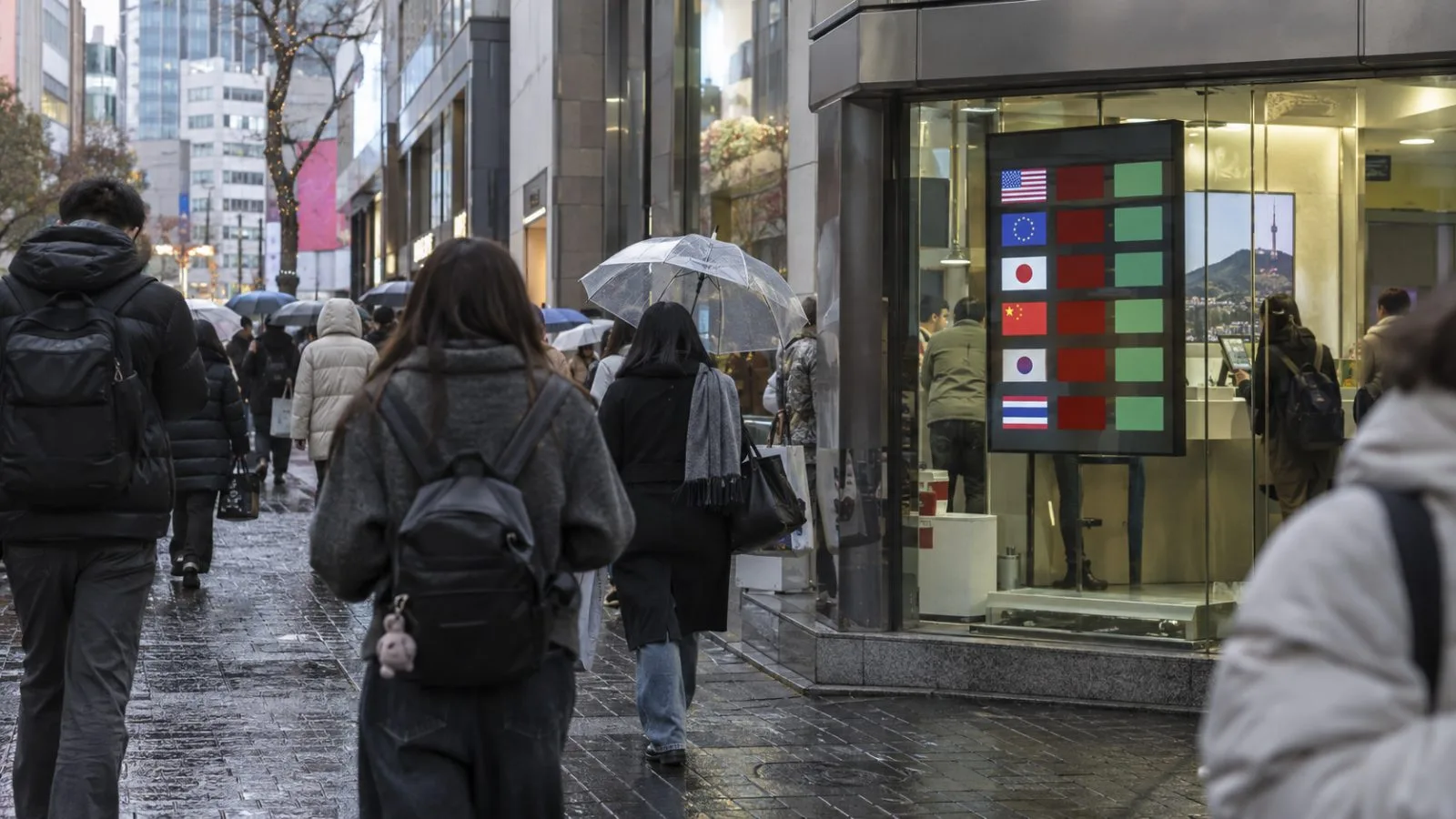
In currency markets, the Japanese yen remained near its weakest level since 1986, with USD/JPY trading around 161.58. Despite recent intervention efforts and a Bank of Japan rate hike, the yen continued to struggle against the stronger U.S. dollar. The euro and British pound also declined, with political uncertainty in the United Kingdom adding pressure to sterling.
As investors await upcoming U.S. inflation data, including the core PCE price index, the outlook for Federal Reserve policy remains the key driver for forex markets and the broader U.S. dollar trend.