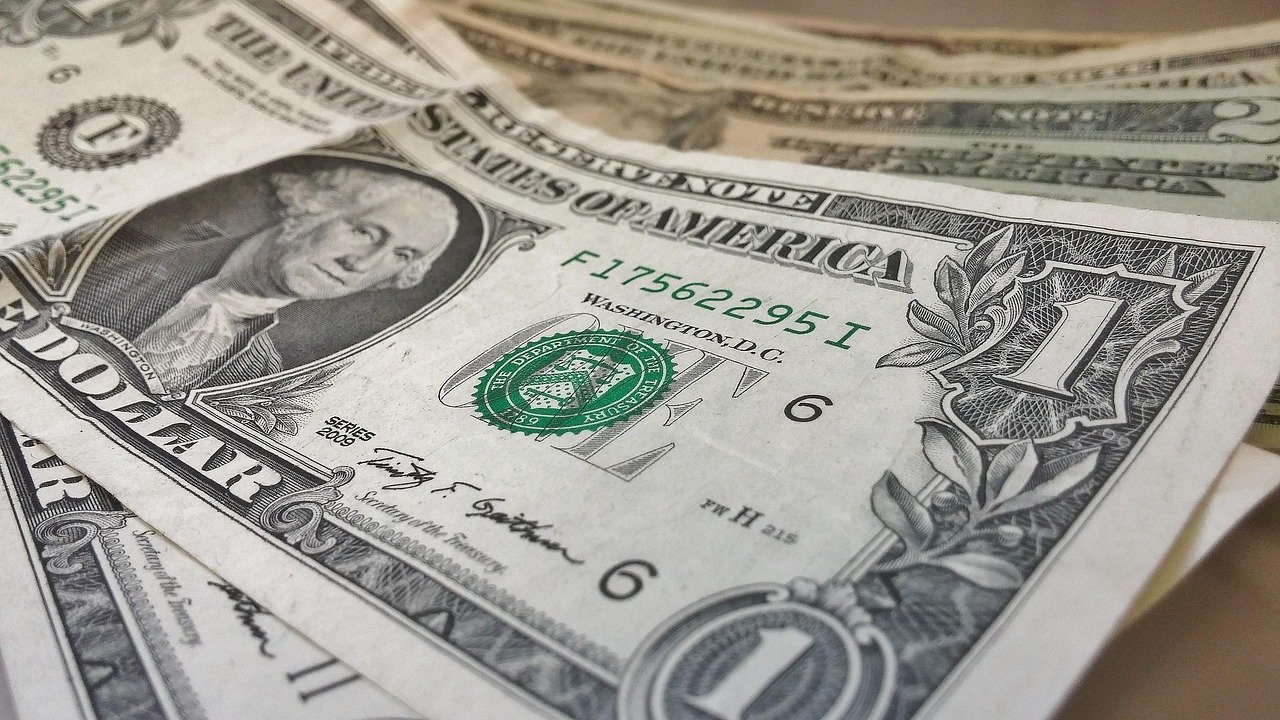
The U.S. dollar was on course Friday for its steepest weekly decline since late July as mounting fiscal concerns and unusual Treasury market intervention weighed on investor confidence.
The U.S. Dollar Index, which measures the greenback against six major currencies, slipped 0.1% to 98.80, remaining near a three-month low. It was headed for a 0.9% weekly decline.
U.S. Treasury bonds dominated currency markets after a sharp sell-off pushed long-term yields to multi-year highs. The 30-year Treasury yield reached 5.337% on Tuesday, its highest in 19 years, while the benchmark 10-year yield touched a 52-week high of 4.748%.
Inflation concerns linked to rising oil prices, heavy corporate borrowing for artificial intelligence infrastructure and growing U.S. government debt contributed to the bond rout.
The Treasury Department intervened Wednesday by increasing planned repurchases of long-dated government debt to at least $4 billion from $2 billion. Bonds initially rallied and yields declined, but much of the move reversed over the following two sessions.
Treasury Secretary Scott Bessent later said buybacks could exceed $4 billion and highlighted the government's broader options for addressing elevated yields. However, concerns intensified after U.S. national debt surpassed $40 trillion.
Fiscal skepticism has complicated the dollar's traditional relationship with rising Treasury yields. Investors worried about currency debasement may increasingly favor hard assets such as gold and cryptocurrencies.
The weaker dollar helped the euro climb to around $1.1679, near its highest since May, while sterling reached roughly $1.3646. Both currencies were headed for strong weekly gains.
In Asia, the Japanese yen stabilized as stronger inflation and private-sector activity reinforced expectations that the Bank of Japan could raise rates in September.
The South Korean won gained strongly, with USD/KRW falling 0.5% Friday and the won advancing about 2.1% for the week. The Indian rupee remained under pressure as higher energy costs and importer demand offset reported central-bank intervention.
Investors will now turn their attention to next week's Jackson Hole Economic Policy Symposium for fresh signals on U.S. interest rates and the Federal Reserve's policy outlook.