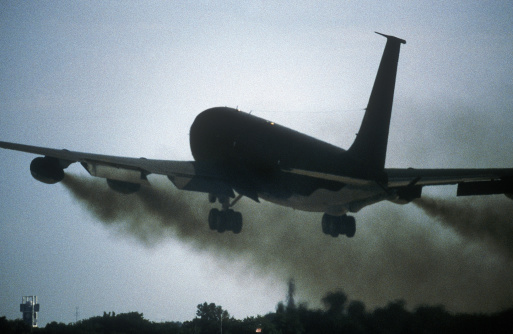
The US Environmental Protection Agency is finalizing the first-ever proposed standards regulating greenhouse gas emissions for airplanes used in commercial aviation and for large business jets.
The EPA has been criticized for not requiring tougher emissions rules but the new requirements would supposedly align the US with international standards.
The UN International Civil Aviation Organization (ICAO) had agreed on global airplane emissions standards in 2016 for makers of small and large planes. Both Airbus SE and Boeing Co. have backed the standards.
The EPA that it expects non-compliant airplanes to either be modified and re-certificated as compliant, go out of production before the January 1, 2028 production compliance date, or seek exemptions.
However, EPA is not projecting emission reductions associated with these greenhouse gas regulations. It also does not push manufacturers to make technical improvements to their airplanes.
In October, 11 states led by California and the District of Columbia urged the EPA to strengthen its standards.
According to Environmental Defense Fund international counsel Annie Petsonk, the EPA has a “do-nothing rule" that is inadequate in light to deal with the climate crisis.
She called for the incoming Biden-Harris administration to tighten EPA's standards swiftly.