


 Iran Refuses to Halt Uranium Enrichment Amid US Nuclear Demands
  RFK Jr. Launches Nationwide Vaccine Safety Review
  Mexico Bars Dual Citizens From Presidential Races Starting in 2028
  Maduro, Wife May Face New US Torture Charges
  Flavio Bolsonaro Leads Lula 49%-45% in Brazil Runoff Poll
  Trump Buys Up to $25M in Meta Stock, Invests in SpaceX Debt
  Trump Rallies in Texas as Republicans Face Tight Midterm Races
  Pentagon Orders Iran Strike Preparations as Trump Weighs Military Action
  US Charges Maduro and Wife With Torture Conspiracy
  EU Rejects Italy, Greece Calls for Fiscal Rule Flexibility
  US-Taiwan Ties Remain Strong as Taipei Urges Timely Arms Deliveries
  US, EU Push for Action Against Asia’s Excess Factory Capacity
  Zelenskiy Criticizes US as Russian Strikes Kill 78 in Ukraine
  US Pressures Allies to Distance From Anti-Disinformation Conference
  ICC Rules Duterte Fit to Stand Trial in Drug War Case
  Marco Rubio Warns Russia-Ukraine War Could Spark Wider Conflict
  Hegseth Praises USS Abraham Lincoln Crew After Record Iran War Deployment


 Add as a preferred source on Google
Senior officials from the United States, Europe, and Ukraine concluded three days of high-level talks in Florida aimed at advancing efforts to end Russia’s war in Ukraine, with discussions centered on aligning positions and next steps toward peace. U.S. special envoy Steve Witkoff described the meetings as “productive and constructive,” highlighting progress on a shared strategic approach among Washington, Kyiv, and European partners.
The talks come as U.S. President Donald Trump continues to push both Russia and Ukraine toward a negotiated settlement to end the nearly four-year-long conflict. However, major obstacles remain. Russia has insisted on retaining Ukrainian territories it currently occupies, while Ukraine has firmly rejected any concessions involving its sovereign land.
Over the weekend, Witkoff met separately with Russian negotiators, including Kirill Dmitriev, a special envoy of Russian President Vladimir Putin. Witkoff later emphasized that those discussions were also constructive, adding that Russia had expressed appreciation for U.S. mediation efforts. Moscow reiterated its claim of being committed to peace, although skepticism remains among Western officials.
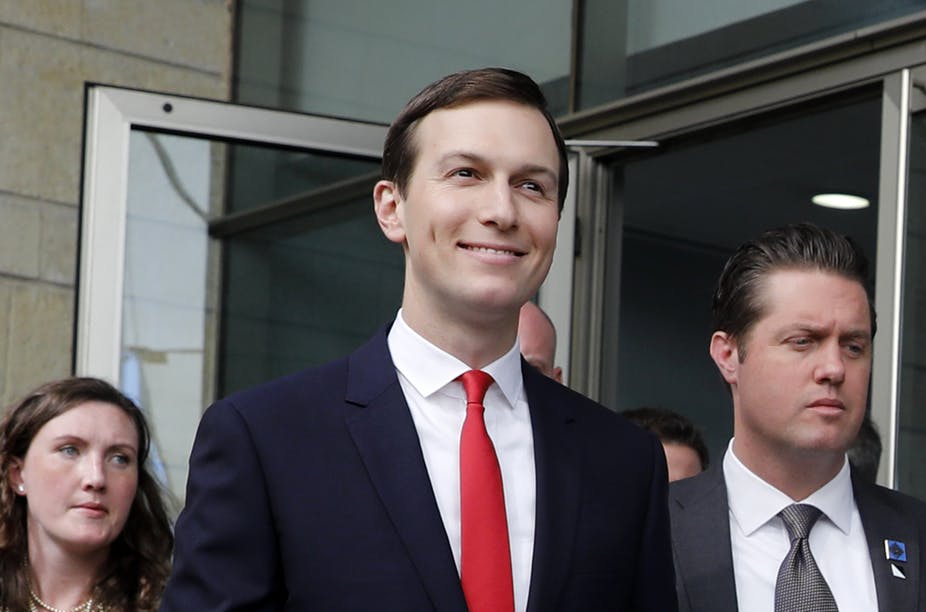
On Sunday, Witkoff and Trump adviser Jared Kushner met with European and Ukrainian officials in Miami, followed by a separate session with the Ukrainian delegation led by senior official Rustem Umerov. According to Witkoff, the U.S.-Ukraine discussions focused on four core issues: further development of a U.S.-drafted 20-point peace plan, multilateral security guarantees, direct U.S. security commitments to Ukraine, and economic rebuilding and long-term prosperity.
Negotiators also concentrated on timelines and the sequencing of future steps, an issue seen as critical for maintaining momentum. While U.S., Ukrainian, and European officials have reported progress on security guarantees for Kyiv, it remains unclear whether Moscow will accept those terms.
Meanwhile, U.S. intelligence assessments continue to suggest that President Putin has not fully abandoned his territorial ambitions in Ukraine. Senator Lindsey Graham said it remains uncertain whether Russia will accept the current proposal, warning that a rejection could lead to tougher measures, including seizing ships carrying sanctioned Russian oil.
As diplomatic efforts intensify, the outcome of these talks could shape the next phase of the Russia-Ukraine war and broader European security.







