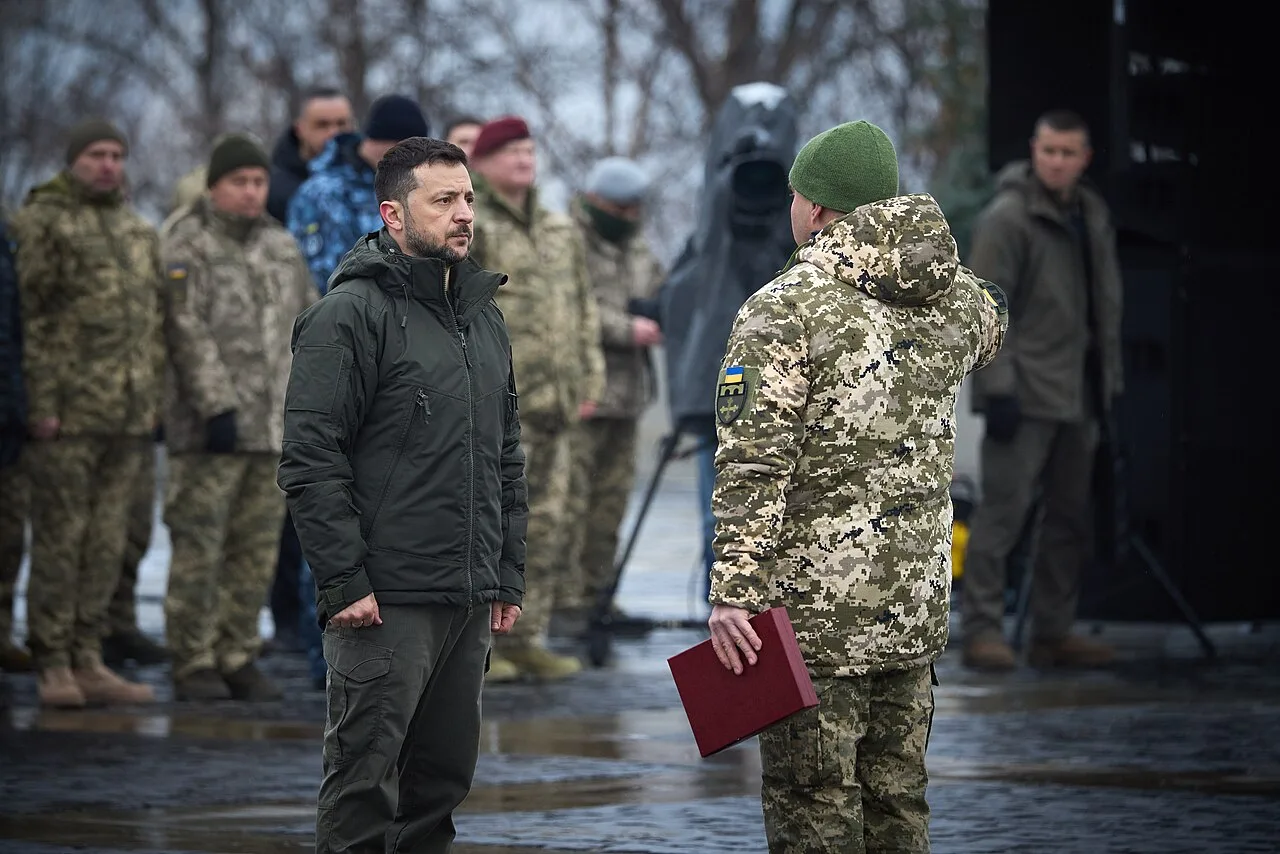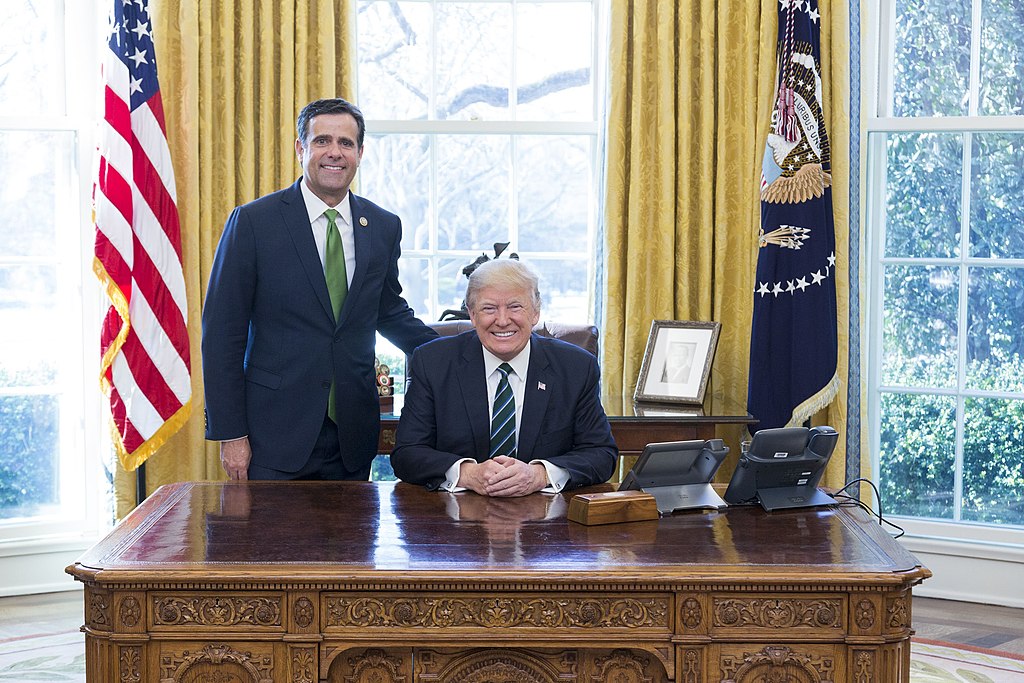
The U.S. has paused intelligence-sharing with Ukraine, CIA Director John Ratcliffe confirmed, intensifying pressure on President Volodymyr Zelenskiy to engage in peace talks with Russia. This suspension, following a halt in U.S. military aid, could weaken Ukraine’s defense against Russian missile strikes.
President Donald Trump, shifting to a more conciliatory stance with Moscow, claimed on Tuesday that Zelenskiy had agreed to negotiations. Ratcliffe suggested intelligence-sharing could resume if talks progress. A source revealed the administration had stopped providing crucial targeting data to Ukraine, although another insider noted only a partial reduction.
The move comes after a tense Oval Office exchange between Trump and Zelenskiy, which delayed a U.S.-Ukraine minerals deal—a condition Trump set for continued aid. Zelenskiy later indicated "positive movement" on the agreement, and the White House suggested funding could be reconsidered.
Trump also announced ongoing peace discussions with Russia, stressing, "To end wars, you must talk to both sides." Meanwhile, European allies are scrambling to support Ukraine, with France and Britain preparing a peace plan and the Netherlands allocating €3.5 billion for aid.
Critics warn that the intelligence-sharing freeze endangers Ukraine. Senator Mark Warner called it an "ill-advised decision" benefiting Russia. A Russian missile strike in Kryvyi Rih killed two people and injured seven, highlighting Ukraine’s vulnerability.
Since taking office, Trump’s foreign policy shifts have unsettled NATO allies. He has engaged in talks with Russian officials, sidelining Ukraine and European partners. Analysts fear the intelligence cutoff will weaken Ukraine’s ability to defend its occupied territories.
With 20% of Ukraine under Russian control, strategic decisions in Washington may determine the course of the war and future global alliances.