U.S. President Donald Trump announced that the United States and Iran have signed a preliminary agreement aimed at ending the ongoing Gulf conflict, marking a significant step toward easing tensions in the region. While the details of the agreement have not yet been released, officials from both countries emphasized that a permanent peace deal still requires further negotiations.
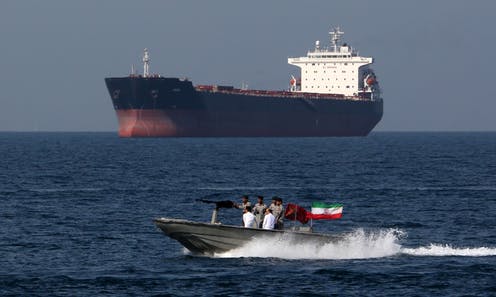
The newly signed memorandum extends the fragile ceasefire first established in April by an additional 60 days. It also paves the way for the reopening of the Strait of Hormuz, a critical global shipping route that Iran effectively blocked following U.S. and Israeli military strikes in February. The waterway is responsible for transporting roughly one-fifth of the world's oil supply, making its closure a major concern for global energy markets.
Trump stated that Vice President JD Vance will participate in a formal signing ceremony scheduled for Geneva later this week. Following news of the agreement, oil prices dropped to their lowest levels since early March, reflecting investor optimism that energy supplies may stabilize.
Iranian President Masoud Pezeshkian described the memorandum as an important step toward reducing hostilities but stressed that a comprehensive and lasting peace agreement remains unresolved. Vance also noted that the document is brief and largely outlines a framework for future negotiations.
According to U.S. and Iranian officials, the agreement could eventually provide Iran with significant economic benefits, including sanctions relief, access to frozen assets, and a proposed $300 billion reconstruction fund backed by Gulf nations. In return, Washington expects Tehran to commit to preventing the development of nuclear weapons and reducing support for regional militant groups.
Despite the breakthrough, major issues remain unresolved, including the future of Iran’s nuclear program, its stockpile of enriched uranium, and ongoing tensions involving Hezbollah and Israel in Lebanon. Israeli Prime Minister Benjamin Netanyahu reiterated that Israeli forces will remain in southern Lebanon and retain the right to respond to security threats.
While the agreement has eased immediate concerns over regional stability and global oil supplies, diplomats acknowledge that substantial negotiations lie ahead before a permanent peace settlement can be achieved.